City Know-hows
Target audience
City officials, Office of the Mayor, Resilience officers and urban municipalities (especially health, housing and urban planning departments.
The problem
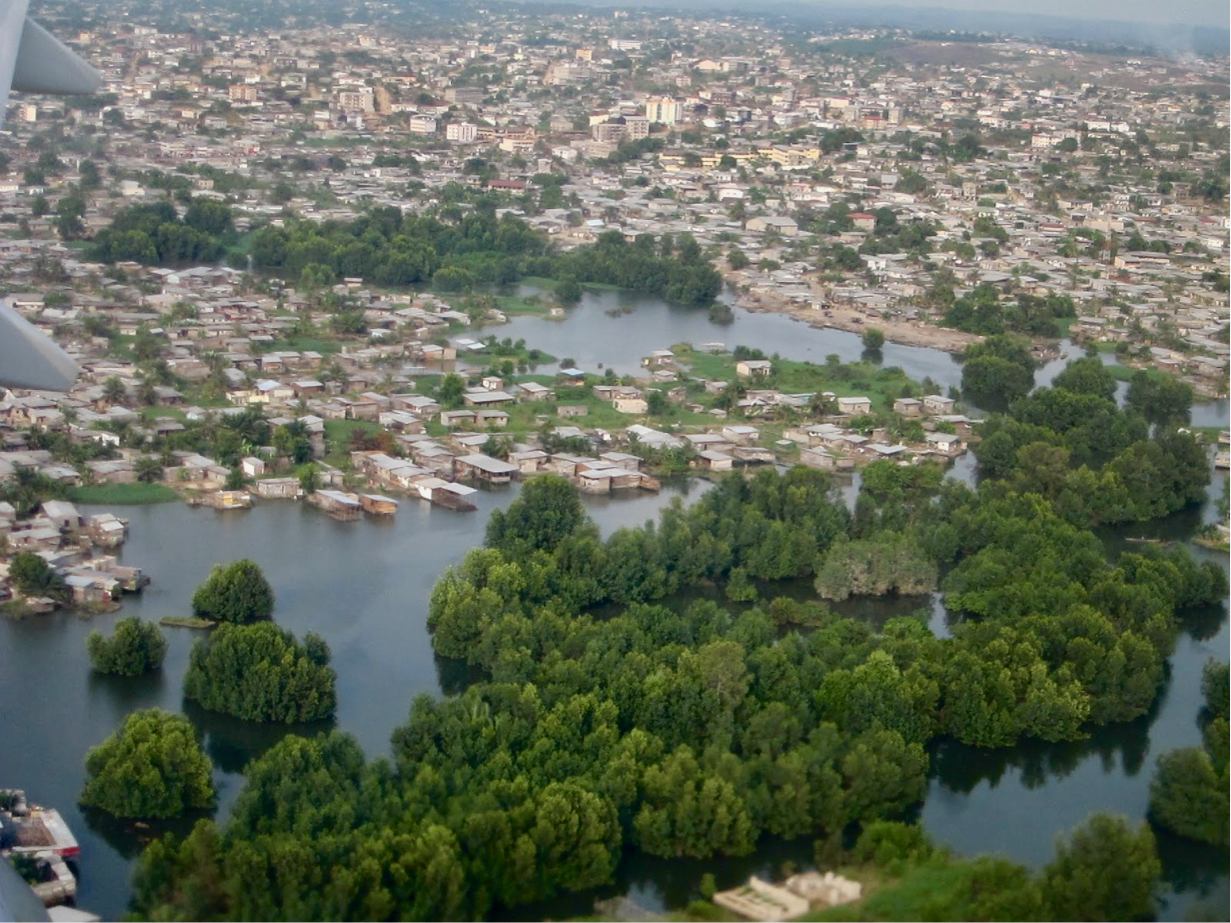
The poor housing conditions in urban informal settlements are detrimental to population health and wellbeing. As such, addressing these conditions, and associated adverse health outcomes, requires collaborative action from city stakeholders in the health, housing, and urban planning sectors. To date, there has been limited academic evidence of the presence and implementation of intersectoral collaborations in the African context.
What we did and why
We interviewed experienced stakeholders working in Douala’s health and human settlements to explore their perspectives and experiences on the key health and housing issues faced in the rapidly growing city of Douala, Cameroon; and the potential of intersectoral collaboration to address these challenges.
Our study’s contribution
Our study identified the need to broaden city stakeholders understanding of the relationship between inadequate housing and health beyond water-and vector-borne diseases. It also provides important insights on the reactive nature of intersectoral collaboration in a sub-Saharan African city, with collaboration limited to the contexts of specific events, disaster response, and health awareness initiatives. The study also explores the organisational barriers to and facilitators of intersectoral collaboration.
Impacts for city policy and practice
Our study supports a re-imagination of urban governance structures is needed to support intersectoral collaboration. A vital lesson we found is that there is a need for more transdisciplinary research partnerships working with policymakers to contribute to the design of intersectoral action for health in ways that integrate existing evidence and incorporate health impact evaluation.
Further information
RICHE – Africa Workshop On Healthy Cities: Intersectoral Approaches To Non-Communicable Disease Prevention In Africa
Full research article:
Intersectoral collaboration for healthier human settlements: perceptions and experiences from stakeholders in Douala, Cameroon by Blaise Nguendo-Yongsi, Trish Muzenda, Yves Bertrand Djouda Feudjio, Daline Nora Kenfack Momo & Tolu Oni.
Related posts

Health has turned into a number one priority in the present city context (e.g. lower emissions, active transportation, sustainable farming). By integrating it with proximity measures (as in the 15-minute city), we can create even healthier cities. Here is how they do it around the globe.
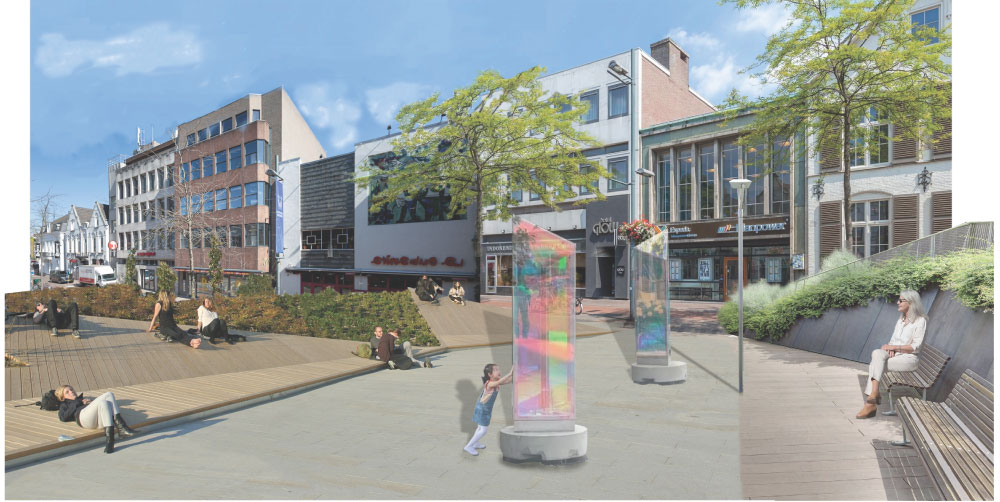
Poorly designed neighbourhood outdoor spaces can harm citizens’ mental health, such as presenting them with information overload, crowding or low exposure to nature. Our research explored which design elements can support urban designers in designing neighbourhood outdoor spaces that can reduce stress and attention fatigue and improve the mental health of all citizens.
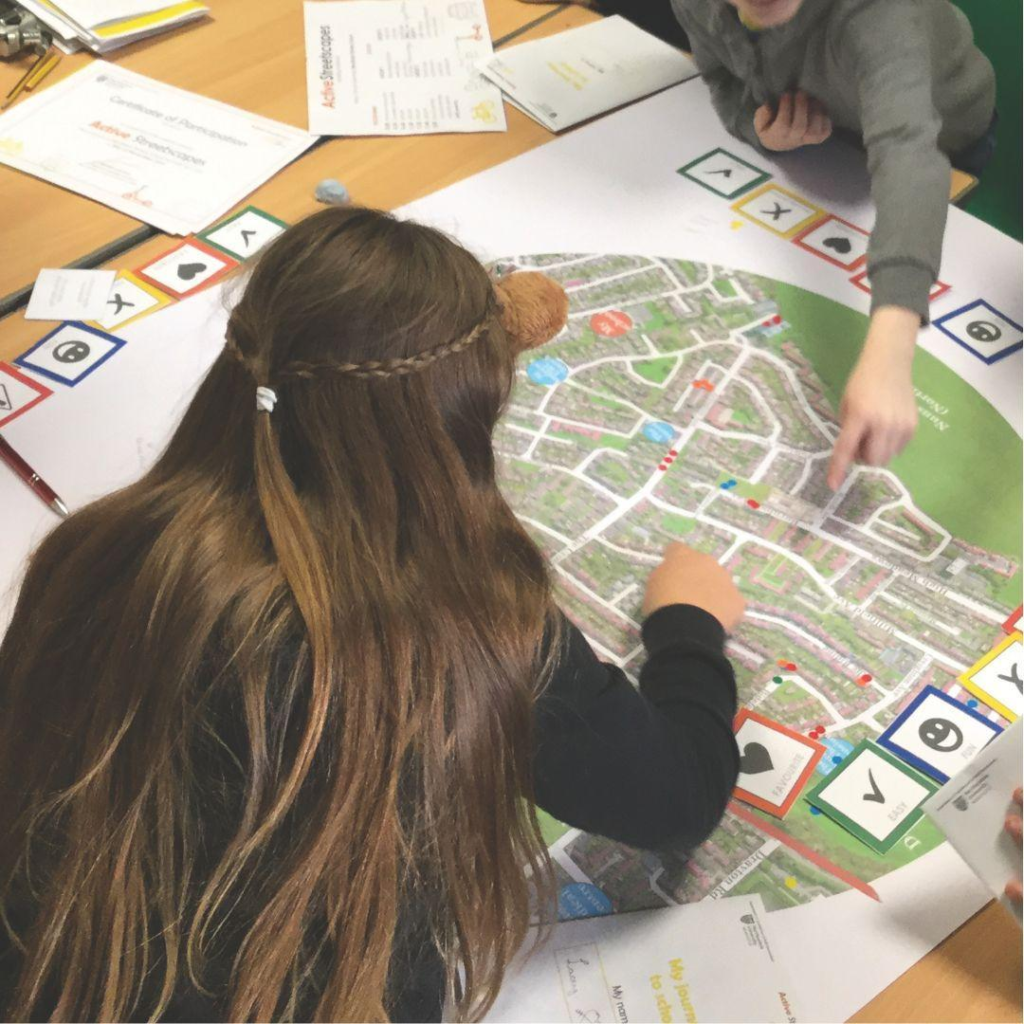
We worked with 82 primary school children (aged 9-10) from four schools and neighbourhoods in Newcastle upon Tyne, UK. Through focus group discussions, we asked them to share their travel experience in their neighbourhoods. Using age-appropriate maps and playful stickers, we gathered insights into their experiences, to identify patterns in what children need from their neighbouhoods. In addition, we mapped their comments to specific locations to better understand the relationships between the built environment features and children’s experiences.