

City Know-hows
Target audience
City officials, Office of the Mayor, Resilience officers and urban municipalities (especially health, housing and urban planning departments.
The problem
The poor housing conditions in urban informal settlements are detrimental to population health and wellbeing. As such, addressing these conditions, and associated adverse health outcomes, requires collaborative action from city stakeholders in the health, housing, and urban planning sectors. To date, there has been limited academic evidence of the presence and implementation of intersectoral collaborations in the African context.
What we did and why
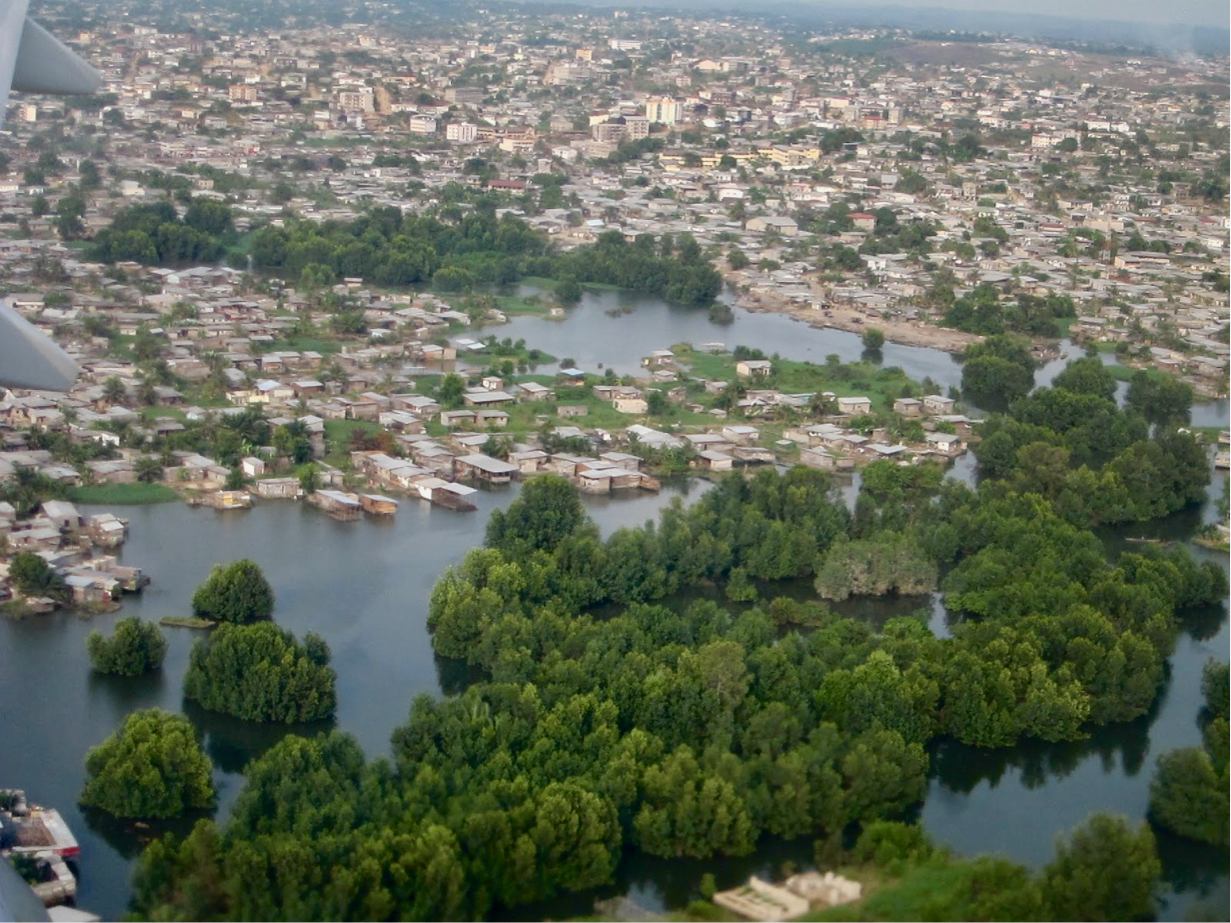
We interviewed experienced stakeholders working in Douala’s health and human settlements to explore their perspectives and experiences on the key health and housing issues faced in the rapidly growing city of Douala, Cameroon; and the potential of intersectoral collaboration to address these challenges.
Our study’s contribution
Our study identified the need to broaden city stakeholders understanding of the relationship between inadequate housing and health beyond water-and vector-borne diseases. It also provides important insights on the reactive nature of intersectoral collaboration in a sub-Saharan African city, with collaboration limited to the contexts of specific events, disaster response, and health awareness initiatives. The study also explores the organisational barriers to and facilitators of intersectoral collaboration.
Impacts for city policy and practice
Our study supports a re-imagination of urban governance structures is needed to support intersectoral collaboration. A vital lesson we found is that there is a need for more transdisciplinary research partnerships working with policymakers to contribute to the design of intersectoral action for health in ways that integrate existing evidence and incorporate health impact evaluation.
Further information
RICHE – Africa Workshop On Healthy Cities: Intersectoral Approaches To Non-Communicable Disease Prevention In Africa
Full research article:
 Intersectoral collaboration for healthier human settlements: perceptions and experiences from stakeholders in Douala, Cameroon by Blaise Nguendo-Yongsi, Trish Muzenda, Yves Bertrand Djouda Feudjio, Daline Nora Kenfack Momo & Tolu Oni.Â
Related posts

The deterioration of the built environment, as well as poor traffic and pedestrian conditions, creates obstacles to active mobility, active ageing and functional abilities among older adults residing in heritage city cores. This has negative impacts on their social inclusiveness, quality of life and well-being. The walled city, which encompasses Jaipur’s heritage neighbourhood, is one of the few planned cities in India, extending back to the 18th century, and is considered a tourist attraction. With an in-depth study, we use Jaipur’s walled city to examine how supporting a better quality of life for an ageing population can have co-benefits for the tourism economy.

How do children perceive and interpret different noises and how their personal experiences correlate with objective measurements? What are the long-term repercussions of sustained noise exposure during the formative years on adult cognition, behaviour, and health outcomes?

We wanted to understand the types of gardening for wildlife taking place in London’s private gardens and the influence of demographic factors on the likelihood to garden for wildlife. We sent out a digital questionnaire to ask Londoners about their gardening for wildlife practices and their age, gender, ethnicity, religious beliefs, occupation, household income, accommodation type, home ownership status, garden type, shared garden or not, dependents, and conservation-organisation membership status.