City Know-hows
How do concepts from Kevin Lynch’s ‘The Image of the City’ (1960) help to explore the qualities of urban public spaces used to support recovery from psychosis? This paper offers a reflection on paths with feathered edges, vistas and nodes.
Share
Target audience
This research is aimed at two broad groups of professionals who have a stake in the city. Firstly, people who plan, design, develop, and manage city spaces; secondly, public health professionals who need to contribute to the design of places and planning process.
The problem
Mental health needs are poorly understood in the development and management of public space. However, people recovering from health issues such as psychosis need to use city space in their everyday lives. We note that large sites in city centres continue to be made available. As such their redesign and management needs to factor in these broader needs. There will be further benefits to people with conditions such as anxiety, depression and autism.
What we did and why
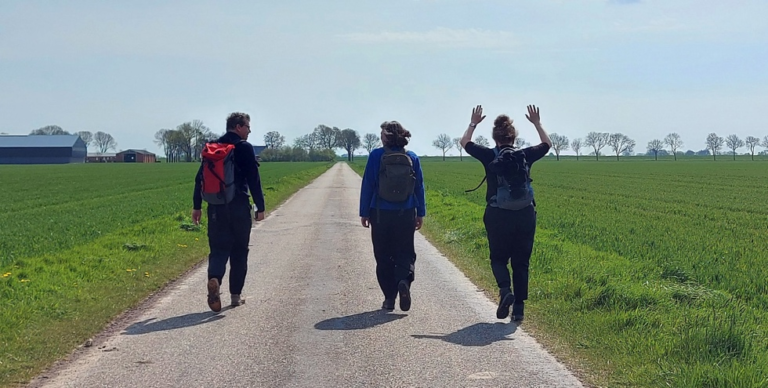
This work is the product of a three-year-long evaluation of NHS-led group walks in public space, designed to aid recovery from early psychosis. The study includes sat-down interviews and walks outside with service users. Our work harnesses the knowledge and experience of the two authors: the first author has spent over 12 years managing place-making and regeneration initiatives, and the second author is a mental health nurse with a master’s degree in urban planning.
Our study’s contribution
This study provides an appraisal of two cities in England, UK. We use concepts from the influential work ‘The Image of the City’ to present the experience of researchers and service users. The urban fringe of Bath and Bristol Floating Harbour offer different qualities. For example, a stark difference is how Bristol has been reshaped around its history since the 1980s and continues to evolve. However, the experience of Bath seems constrained by its heritage protection.
Impacts for city policy and practice
Our paper offers approaches for city managers and wider stakeholders to engage with marginalised voices. Whilst the walking group is a mobile, democratic and dynamic way of exploring cities, we show how the city can have such qualities itself. For example, walking Bristol’s Spike Island offers feathered edges to explore varied land uses (public art, boat yards and leisure), which allow people recovering from health issues, like psychosis, to gradually (re)gain confidence in public space.
Further information
Full research article:
[OPEN ACCESS] Urban public spaces as a mobile, democratic and dynamic clinic to support recovery from early psychosis by Aled Singleton & Mark Batterham
Related posts

Evidence overwhelmingly suggests that the built environment has an impact on people’s health, particularly in terms of noncommunicable diseases such as asthma, diabetes and poor mental health. However, health is rarely prioritised in urban planning decisions at present, and earlier work by this research group has shown that senior decision-makers feel they lack the power to influence planning and policy decisions in order to improve the situation. This intervention area adds to the wider research programme, which is focused primarily on the delivery of quantifiable socio-environmental and health economics valuations. People make decisions not just based on economic valuation, so an understanding of why people make decisions and how those decisions can change is essential. This paper describes the methodology that will be used to develop this intervention. Findings will be published later.

This study contributes to understanding the intersection of regenerative planning principles and legal frameworks. It identifies the extent to which Turkey’s urban planning legislation aligns with regenerative principles, highlights key gaps in the current system that restricts the integration of regenerative approaches and provides insights that can inform urban planning practices and legislative reforms globally.
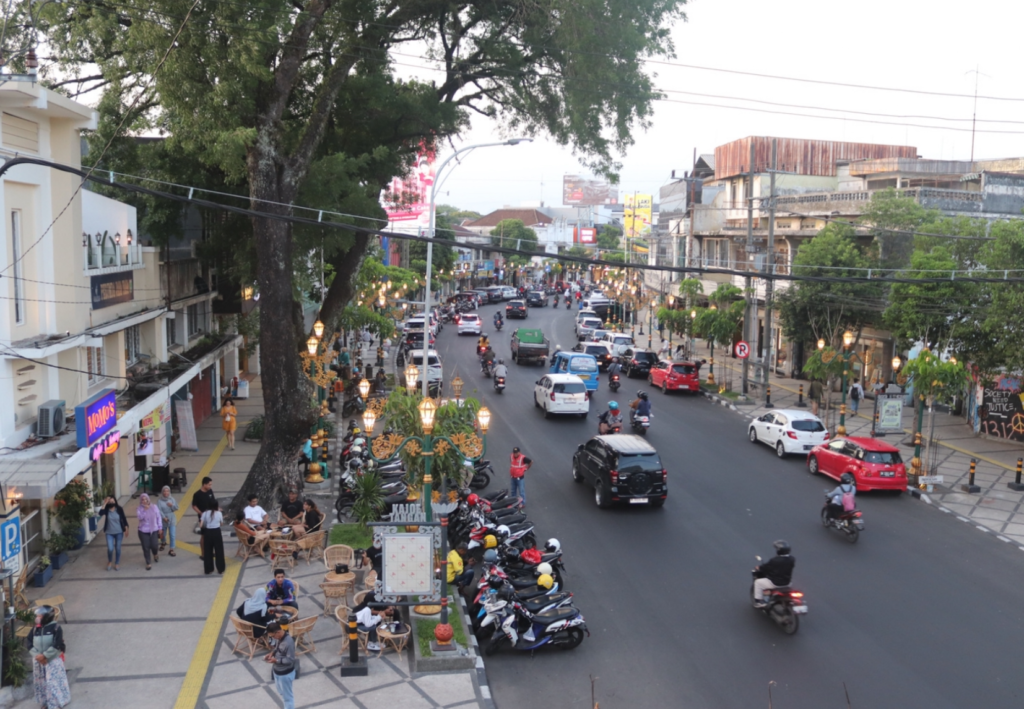
This study addresses the need for a more nuanced understanding of how urban design influences people’s walking habits in the Global South through case studies in Indonesia. Understanding the intriguing relationship between the built environment, personal perception, and walking behaviour is critical for designing more walkable, healthy, and sustainable cities.