

City Know-hows

Natural spaces and depression in urban older adults: Exploring types, accessibility, and mediators

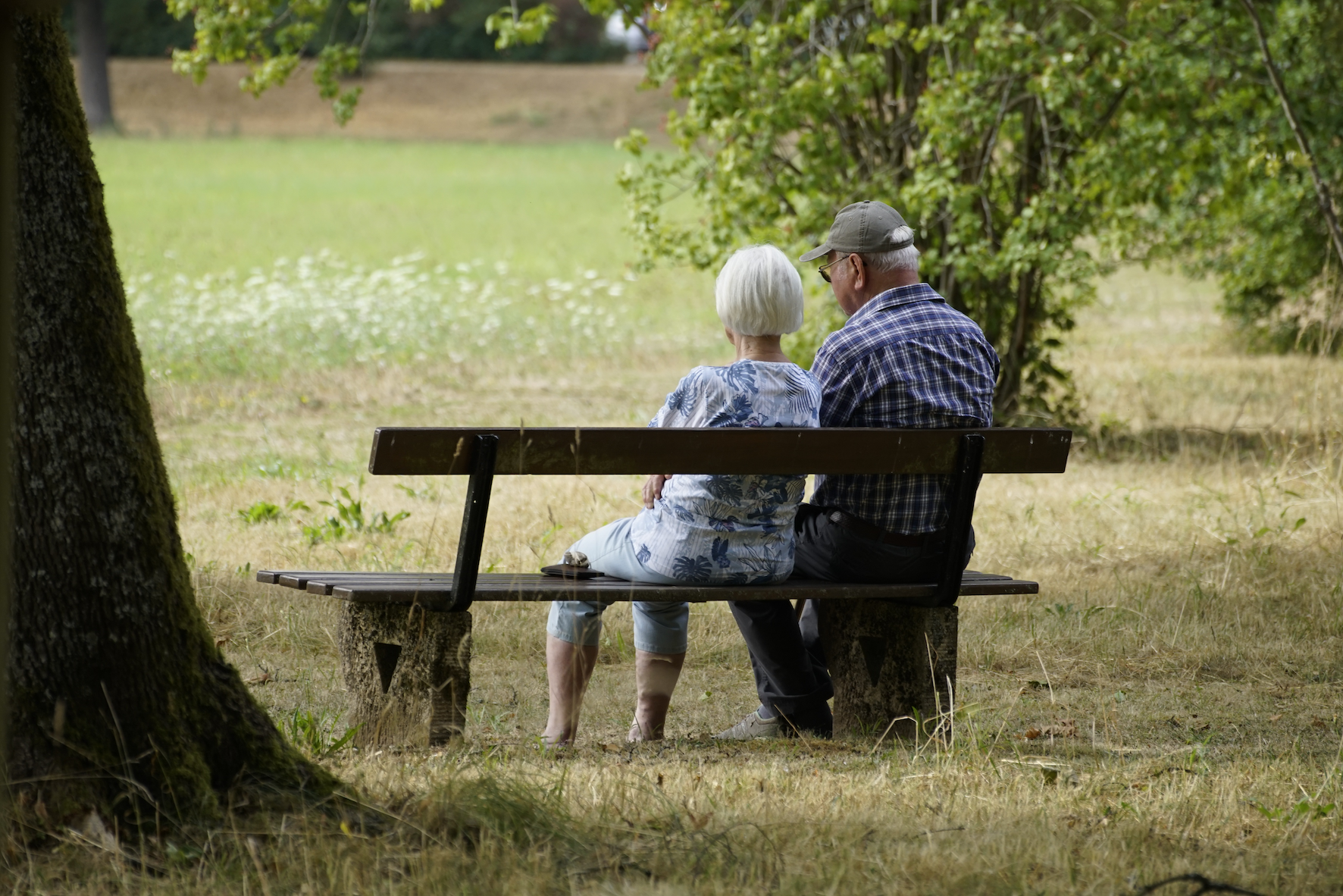
Image credit: jhenning@Pixabay

Living near urban green spaces linked to lower prevalence of depression among older adults. Why? Social support levels are higher among older adults living around these spaces. Urban policy implications: Enhancing access to urban green spaces may be a promising intervention for reducing depression among older individuals.

Share

Target audience

Researchers working in the fields of urban and environmental health; Urban planners and city architects; Local government officials or city council members; Community and senior organisations

The problem

The world population is ageing rapidly, and the most prevalent mental health problem in older adults is depression. Depression later in life can have serious consequences, and therefore, we need a well-rounded understanding of its environmental determinants. Natural spaces like green and blue spaces may protect older adults against depression. Older adults spend a great deal of time in their neighbourhood surroundings, making them particularly vulnerable to the presence or lack thereof of natural spaces.

What we did and why

We investigated the association between exposure to different types of natural spaces and depression among older adults and the behavioural, social and environmental mediators underlying the observed associations. We used georeferenced data from an urban population-based cohort from Portugal. We assessed depression using the Geriatric Depression Scale. We assessed greenness using the Normalized Difference Vegetation Index and evaluated accessibility to green and blue spaces. We computed metrics separately for agricultural, natural, and urban green spaces.

Our study’s contribution

We addressed various knowledge gaps. We focused on older adults, considered various categories of natural spaces, including blue spaces, and investigated factors like pollution, temperature, and social support. We found that:
-Proximity to urban green spaces was linked to lower odds of depression
-Agricultural and natural spaces were associated with higher odds
-Associations were mediated by social support that was higher near urban green space
-Blue spaces, green space size, and Normalized Difference Vegetation Index showed no association

Impacts for city policy and practice

Increasing the availability of urban green spaces, even small pocket green spaces, should be considered a promising intervention for reducing depression among older individuals.

  • Beyond 100m, urban green space protection diminishes. WHO recommends that the population have a green space within a 300m radius. However, for older people, this threshold may be too distant.

However, not all green spaces confer mental health benefits; therefore, researchers and professionals should consider the differential effects of different categories of greenery.

Further information: Research Lab for Health and Territory

Further information

Full research article:

Exposure to green and blue spaces and depression among older adults from the EPIPorto cohort: examining environmental, social, and behavioral mediators and varied space types by Ana Isabel Ribeiro, Marieke Behlen, Ana Henriques, Milton Severo, Cláudia Jardim Santos and  Henrique Barros

Related posts

Perceived urban quality and well-being during post-earthquake shelter projects (MAPs and CASE) in L’Aquila, Italy

Although the CASE and MAPs were supposed to be temporary shelters for displaced persons, after fourteen years, they have not received proper maintenance and are dilapidated. This scenario opens to the idea that living in these places could negatively affect different psychological aspects, including perceived urban quality and environmental well-being.
Read More »