City Know-hows
Although the CASE and MAPs were supposed to be temporary shelters for displaced persons, after fourteen years, they have not received proper maintenance and are dilapidated. This scenario opens to the idea that living in these places could negatively affect different psychological aspects, including perceived urban quality and environmental well-being.
Share
Target audience
City officers, urban leaders, and professions in urban and environmental policy
The problem
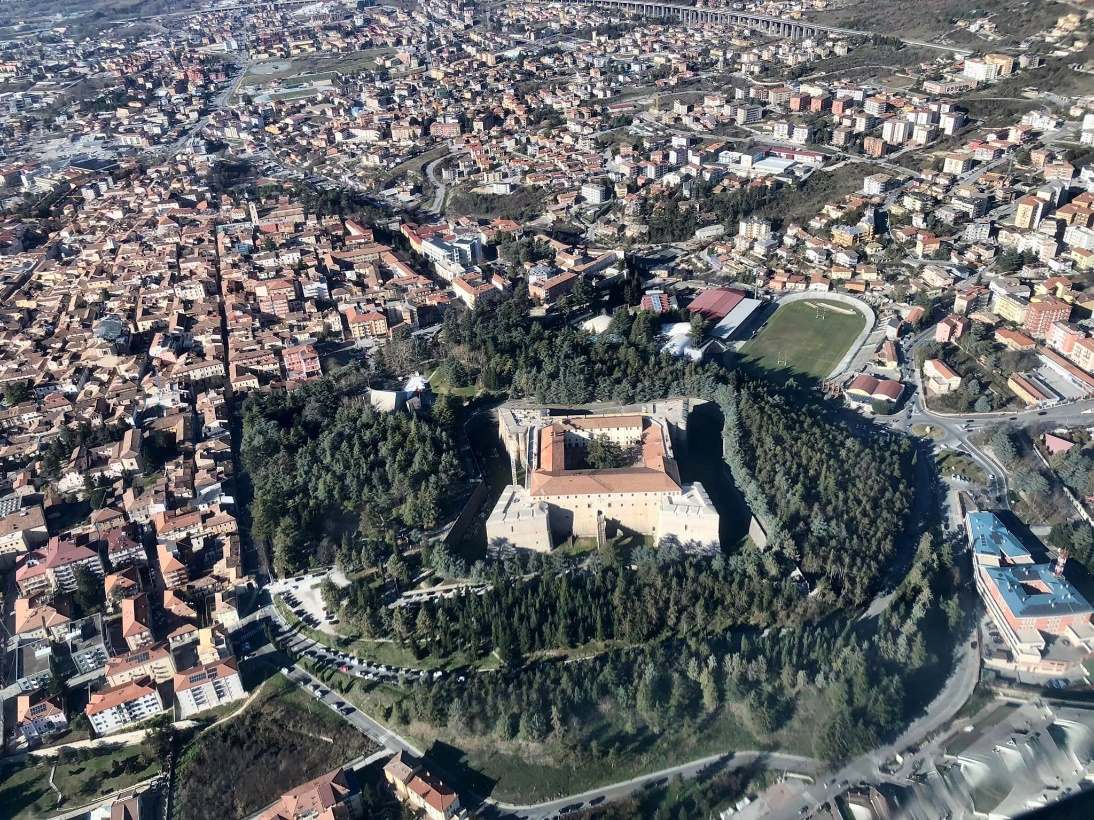
After the earthquake that struck L’Aquila city, Italy, on 6 April 2009 there were projects for emergency shelter. MAPs (Moduli Abitativi Provvisori) provided temporary housing modules and CASE (Complessi Antisismici Sostenibili ed Ecocompatibili) built sustainable and environmentally friendly anti-seismic complexes. Although the CASE and MAPs were supposed to be temporary shelters for displaced persons, after fourteen years, they have not received proper maintenance and are dilapidated. This situation could affect inhabitants’ urban quality and environmental well-being.
What we did and why
Given that the negative structural conditions affecting the two main types of emergency housing in L’Aquila, such as MAPs and CASE projects, we evaluated perceived urban quality and environmental well-being in a sample of 100 inhabitants.
Our study’s contribution
Our study provides an innovative perspective on the critical situation involving the MAPs and CASE projects addressing different individual factors, including age, quality of life, and environmental well-being, after an emergency such as the L’Aquila earthquake of 6 April 2009.
Impacts for city policy and practice
The current research highlights the need to reframing residential and urban environmental objective to include the consideration of psychological features. This could better safeguard overall well-being across the life span of any ‘temporary’ emergency dwellings, and potentially for a long time after the emergency.
Further information
Full research article:
Perceived urban quality and environmental well-being during the post-earthquake in the emergency housing of L’Aquila by Enrico Perilli, Danilo Bontempo, Matteo Perazzini, Martina Bucci, Rosa Anna Passaretti, and Marco Giancola.
Related posts

Our review highlights the lack of urban green and blue spaces interventions to prevent violence against women and girls. We look also at how interventions could prevent violence against women and girls, reduce inequalities, and reshape social, cultural, and societal norms; promoting use of urban green and blue space for women and girls.

Australian pilot study finds a Healthy Urban Transition Tool can assess the liveability of urban environments and assist in transitioning neighborhoods towards improving the social determinants of health and health equity.

How people use energy affects their health, current approaches focus on behavioral change or interventions in the home. This strategy discounts the influence of healthcare. To integrate healthcare into this issue we need to engage with how it is already understood within healthcare and what the challenges are.