

City Know-hows
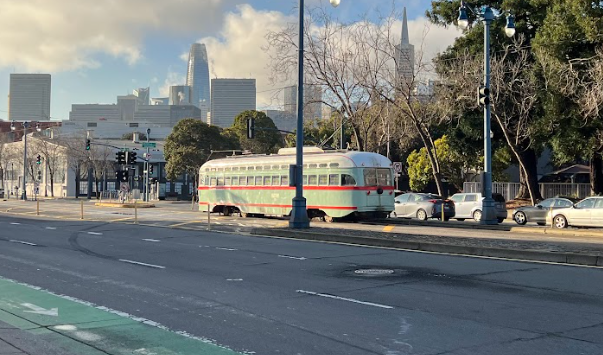
We analysed how existing transit systems within the United States are supportive or challenging for passengers who travel with young children. Looking at 14 different transit systems’ policies and infrastructure reveals best practices and areas for improvement.
Share
Target audience
Transportation planners and transit authorities
The problem
Caregivers, particularly those with young children, face unique challenges when using public transportation systems designed primarily for solo adult travellers. The infrastructure and policies of transit systems perpetuate these challenges in ways that compound the difficulty of travel for this demographic.
What we did and why
This study provides a comprehensive analysis of public transportation systems across the United States through first-hand researcher observations of infrastructure and policies for 14 transit systems. These systems, spanning a variety of ground transit modes—including rail, bus, and trolley—were selected from a diverse range of settings, including large cities, small towns, regional transit networks, and national transit services. This study supports the body of research advocating for mobility justice in various aspects of urban spaces. We highlight the fundamental needs of a specific population – caregivers travelling with young children – and the importance of including this demographic when planning transit to support a Universal Design framework. If transit modes considered the needs of this population when designing mobility access, other populations with similar needs would also be served.
Our study’s contribution
Through exploring the accessibility of public transportation for caregivers with small children, we found that three major themes emerged: (1) physical ability, (2) safety, and (3) provision for basic human needs. In our paper, we discuss the challenges created in these three areas from existing infrastructure and policy design, and also provide examples of best practices.
Impacts for city policy and practice
Transportation planners and transit authorities must gain a better understanding of the passenger and ridership experience for those specific demographics who frequently use their services. This understanding can inform future improvements and help transit authorities work towards Universal Design.
Further information
Full research article:
Evaluating public transportation through a caregivers’ lens by Christine Quattro and Zhiyuan Yao
Related posts

High-density urban environments significantly affect children’s play and well-being. This study provides current insights and explores potential solutions for enhancing play spaces in compact cities, aiming to promote a healthier and more sustainable urban future for children. Our goal was to synthesize current knowledge and provide guidance for improving play spaces in compact cities, ultimately contributing to more sustainable and liveable urban environments for children.

We present a novel conceptual framework called the Urban Stress Model, which intentionally crosses disciplinary boundaries. We suggest that the unique physical form of cities contributes to an increased stress burden through the interacting influences of daily urban hazards and social disadvantage. We use New York City as a case example because of its high diabetes rates and its legacy of unequal healthcare in the context of concentrated wealth. Therefore, New York City can provide valuable insights for newly developing urban centers worldwide confronting similar challenges and growing social and health inequality.

Shared mobility hubs that offer (electric) bikes and cars can be a sustainable solution that enables people to expand their mobility options while protecting cities’ environment by reducing private car use and encouraging cycling. We interviewed residents of a deprived neighbourhood in Utrecht, the Netherlands, to understand their mobility needs and views on a recently implemented shared mobility hub in their neighbourhood, identifying potential obstacles in the process.