City Know-hows
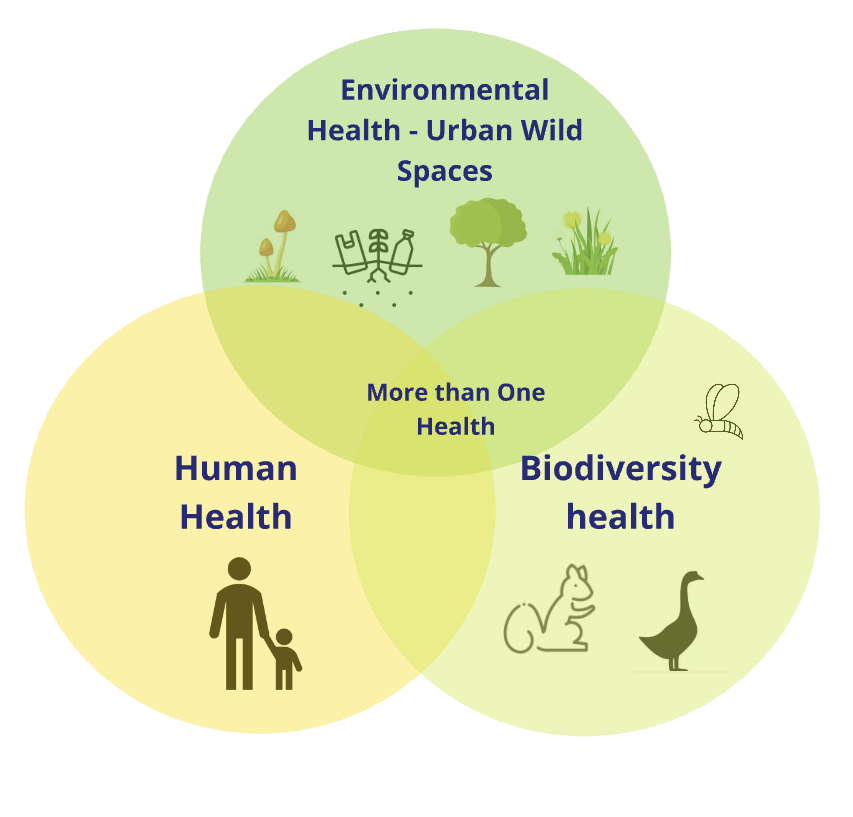
What if urban health went beyond human wellness? Through our ‘more-than-One Health’ conceptualization, we explored urban wild spaces as places where the health and flourishing of humans, animals, and ecosystems intertwine. This approach provides new insights into designing cities that are not just green, wild, but interconnected as restorative habitats for human and non-human health.
Share
Target audience
Urban planners, landscape architects, social scientists, public and global health researchers, policy-makers, stakeholders and citizens interested in explore diverse forms of nature in cities.
The problem
Global health challenges require a holistic approach that addresses the complex interactions between human, environmental, and biodiversity health. This is especially important in urban areas, where rapid urbanisation results in environmental degradation, biodiversity loss, and public health concerns. These issues raise critical questions: How can we create healthy urban environments that prioritise the well-being of both humans, biodiversity and urban ecosystems? Moreover, how can we better integrate considerations of human and non-human health in often overlooked urban ecosystems such as Urban Wild spaces?
What we did and why
We explored the health value of Urban Wild Spaces (UWS) -pockets of land where nature thrives with minimal human intervention and management- from an interdisciplinary perspective that integrates insights from the One Health framework and more-than-human approaches. Our more-than-One-Health conceptualization allowed us to delve into human-nature-health relationships in diverse UWS global contexts. We examined case studies in Santiago de Chile (vacant lands), Copenhagen (post-industrial landscapes), Edmonton (peri-urban forests), Bogotá (degraded peri-urban areas), and Singapore (urban wildness).
Our study’s contribution
Our study proposes novel ways of conceiving health in urban wildness by:
• Conceptualising a more-than-One-Health perspective to explore the complex entanglements between human and non-human well-being in urban contexts.
• Exploring urban wild spaces from a restorative perspective that support human and non-human health by facilitating therapeutic experiences, promoting local knowledge exchange, enhancing spaces for biodiversity and fostering contact with nature.
• Presenting opportunities to expand One Health framework through an interdisciplinary and collaborative approach that incorporates social sciences to address health challenges in urban global contexts.
Impacts for city policy and practice
Our research promotes integrating and managing Urban Wild Spaces (UWS) to prioritise urban wildness, multisensory experiences, and multispecies flourishing in urban policies.
UWS can serve as living labs where participatory restoration revitalises degraded landscapes, enhancing ecological functionality, community bonds, and nature connectedness.
This approach encourages innovative and participatory ways of governance and stewardship, and challenges planners to consider what a healthy urban environment means and for whom, fostering more inclusive policies that promote green spaces for people and biodiversity health.
Further information:
NovelEco research group studies societal attitudes to novel ecosystems (also described in the literature as urban wild spaces): NovelEco is a participatory science project that will measure, for the first time, societal attitudes towards urban wild spaces and species (or novel ecosystems) by working with citizens to study them and generate data on these unusual and perhaps overlooked urban ecosystems. Link.
From this website, we identified two case studies that caught our attention and inspired our selection of case studies.
Contemplating Los Cerros in Bogotá from the nature reserve El Umbral Cultural Horizontes: A therapeutic landscape experienceÂ
Wild nature in sustainable cities: Reflections towards multispecies ethnography in Nordhavnstippen, Copenhagen, Denmark.
Further information
Full research article:
[OPEN ACCESS] Let it grow wild! A more-than-One-Health perspective for wild spaces in cities by Natalia Rodriguez-Castañeda, Melissa Pineda-Pinto, Natalie M. Gulsrud, Megan Lynn Maurer and Marcus Collier
Related posts

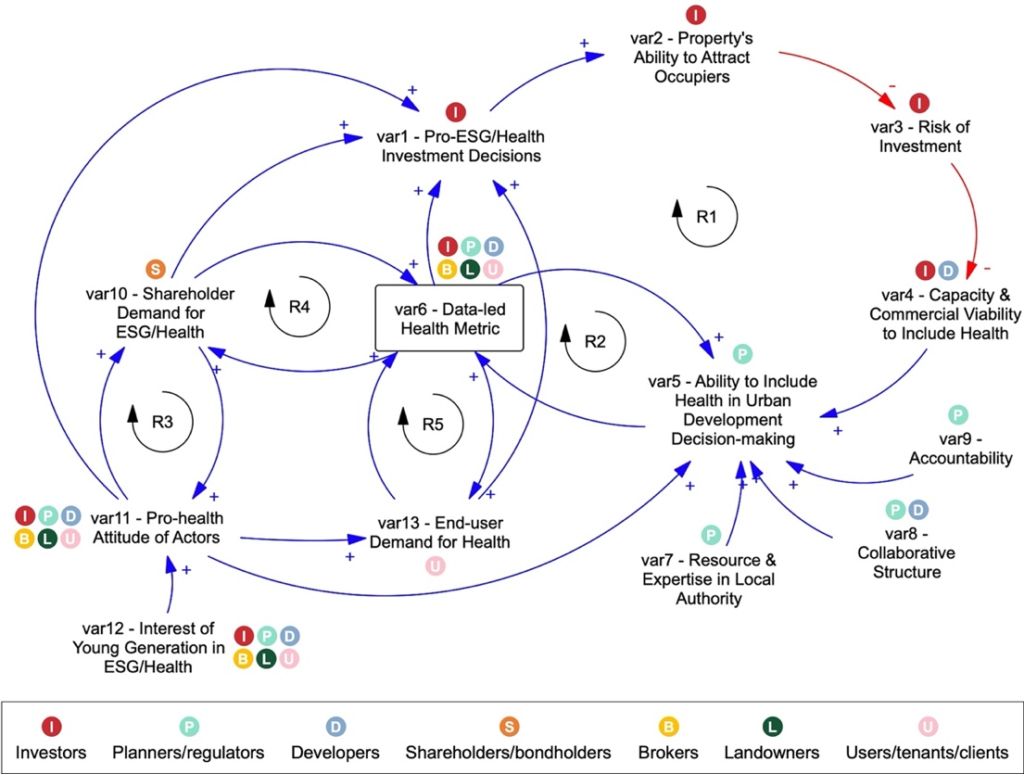
How can we systematically embed health in real estate decision-making to improve health outcomes related to our urban environment? We mapped the system of health consideration in urban development decision-making to identify leverage points and inform interventions that can generate virtuous feedback loops to support better urban health.
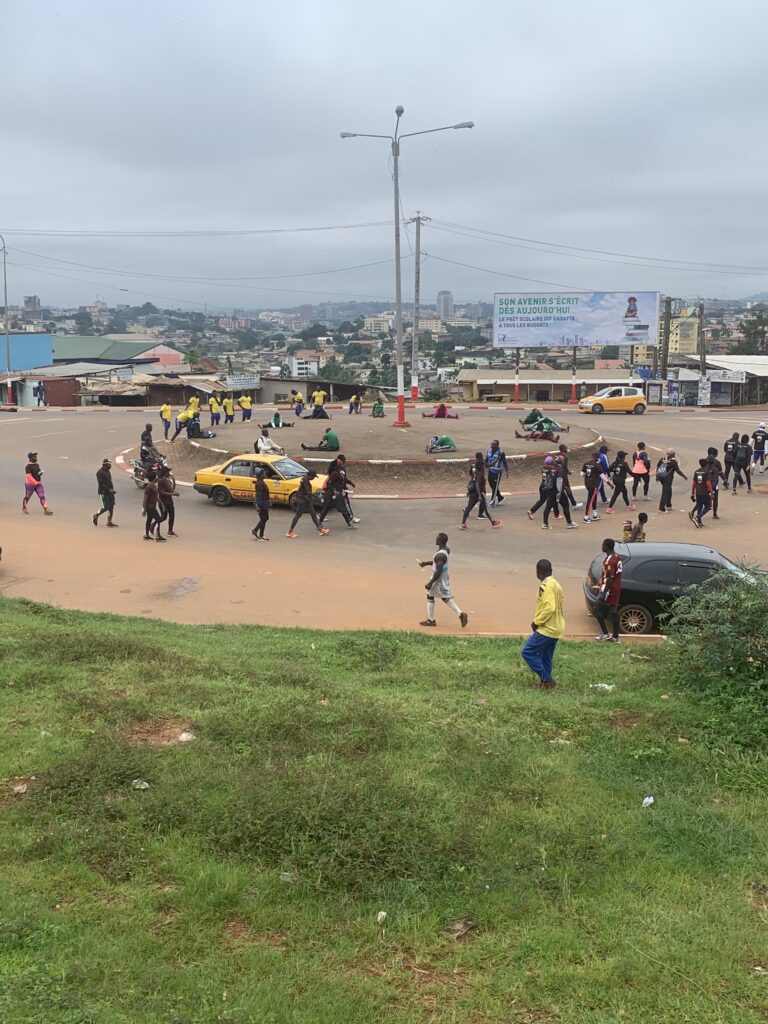
Our study explores how residents in Lagos and Yaoundé use roads, vacant lots, squares, and parks for running, walking, and other leisure-time physical activities. It reveals striking sex-based differences in perceived safety and risk, offering evidence to guide inclusive urban planning.
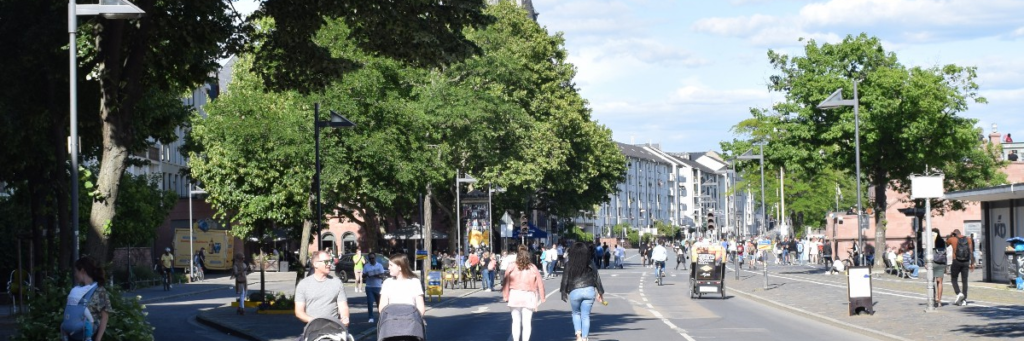
Year-long road closure to Mainkai riverfront in Frankfurt demonstrated more active public space usage, especially during COVID-19 lockdown. Our study looks at the +45% cyclists, +20% pedestrians and + 1150% children cycling on the street.