
The answer is ‘runnable’ cities!
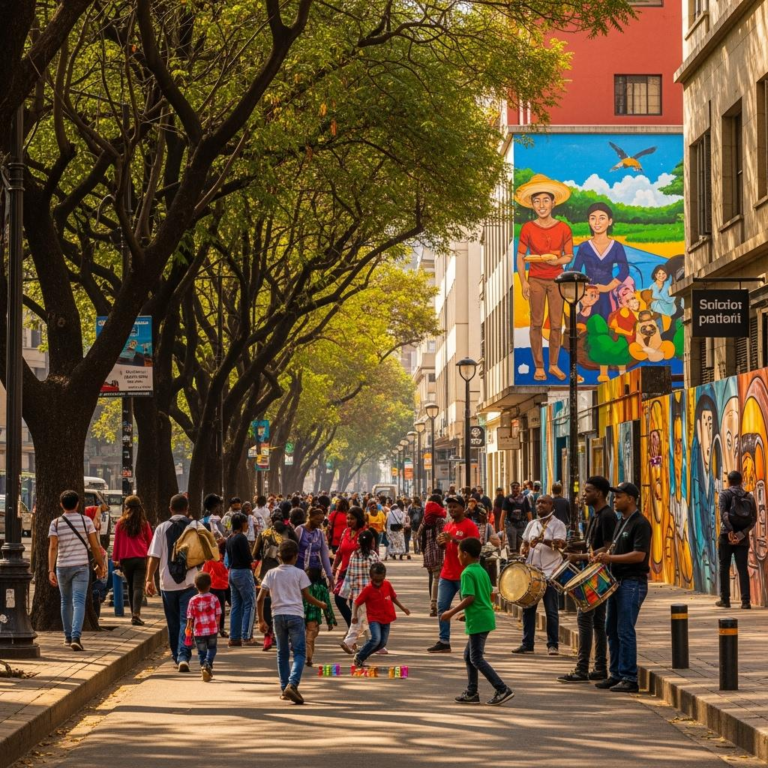
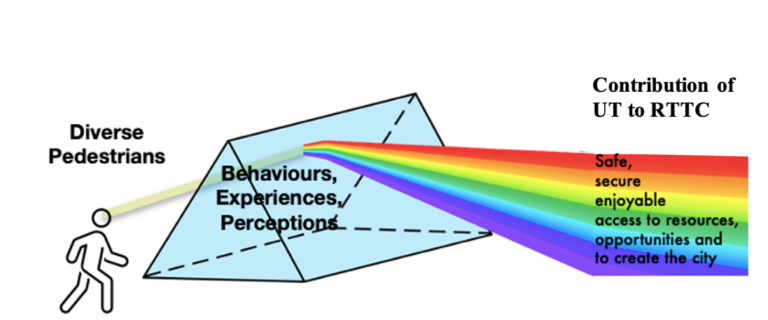
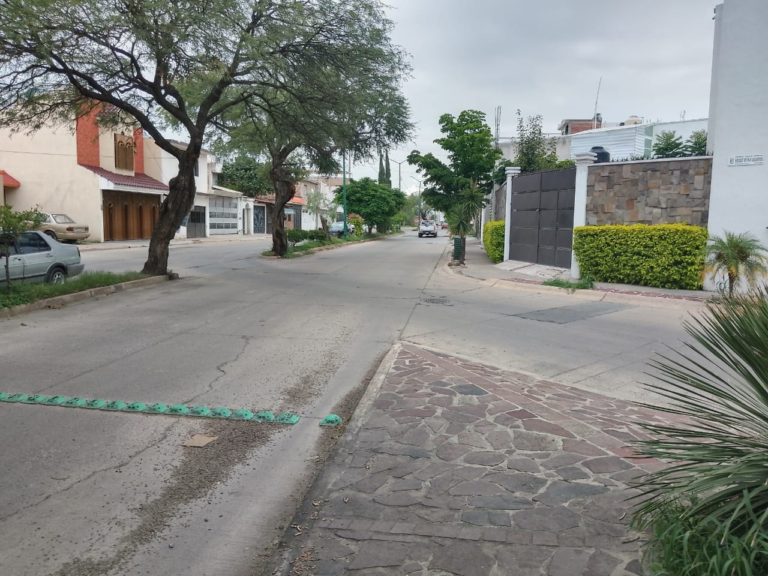
The ‘runnability of cities’ as a novel spatial planning approach can enhance healthier and more enabling environments for everyone.

The ‘runnability of cities’ as a novel spatial planning approach can enhance healthier and more enabling environments for everyone.

We highlight the beneficial interactions of “sensescapes”, the combination of soundscapes and natural landscapes, on psycho-physiological health. Our work shows the significance of interdisciplinary urban design and planning in harnessing these benefits – to enhance health and urban sustainability through the integration of nature’s influences on the body and mind.

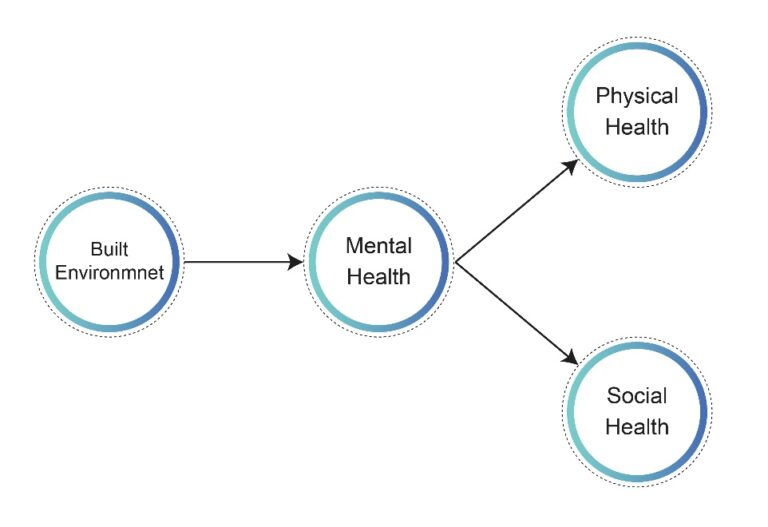
Urban environments influence mental health and development of younger populations. This study explores associations between adolescent mental health indicators and design characteristics. Implications include recommendations for planners and urban designer to promote psychological well-being.

How do people conceptualize pathogen transmission risk in cities using visible cues?

The future of workplaces now includes ‘remote’ for many, which has many health benefits. The future of ‘the office’ needs to evolve too and bringing more nature into the workplace is a healthy place to start.

This study adds to the literature on the health impacts of lockdowns by examining longitudinal changes in the health behaviours of Australian apartment residents. Following the COVID-19 lockdown, residents reported increased walking for recreation, sleep duration, and home cooking frequency, but decreased walking for transport, greater sitting time, and weight gain. Alcohol consumption remained stable.

In resettlement colonies of Mumbai, tuberculosis is rapidly spreading due to the poor natural ventilation and sunlight access. This is because of bad designing and

Going by the current trends of urbanisation in Africa, it is necessary to seek new ideas to improve ecology, human health, and well-being. ‘MR CITY’

Rain waterfalls, patterns of dappled light, and visual connections with nature. The Walumba Elders Centre (Warmun Community, Western Australia, 2014). Photographer Peter Bennetts

Our Jerusalem Railway Park study addressed the needs of those aged 55 in disparate communities, with long-term implications for physical and mental health, and community