
City Know-hows
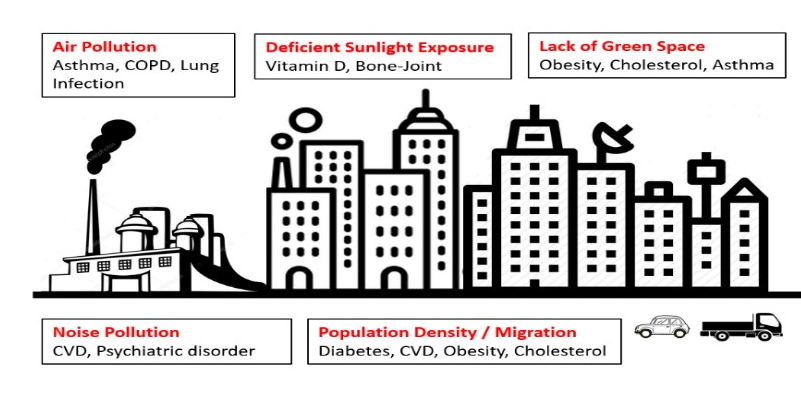
New research on India’s ageing population reveals urban-rural disparities’ impact on health. Urban areas see high rates of obesity, cardiovascular diseases, diabetes, and high cholesterol. Urgent call for urban planning and health policies
Share
Target audience
Health policy makers; environmental and urban planners
The problem
The adverse health effects of urban living during their adulthood and childhood and the associated chronic diseases among older adults in India.
What we did and why
The study aimed to investigate and understand the impact of urban-rural disparities on the health of older adults in India using robust data and statistical techniques. It identified specific health challenges associated with urban living and called for policy measures to mitigate these challenges and enhance the well-being of older urban residents.
Our study’s contribution
This study adds to the existing knowledge by shedding light on the specific health challenges faced by older adults in urban India and by quantifying the impact of urban living on chronic and lifestyle diseases. Its findings have important implications for public health policies and urban planning strategies aimed at improving the well-being of older urban residents.
Impacts for city policy and practice
Lifestyle diseases are a threat to a nation’s socio-economic development and therefore, effective strategies are required. To accomplish the Sustainable Development Goals for health, our findings suggest an urgent need to reinforce stringent environmental-urban planning and health policies such as banning alcohol, increasing non-smoking areas, mandatory green space, and restricting noise levels – all of these help in curbing non-communicable diseases for a better future.
Further information
Full research article:
Related posts

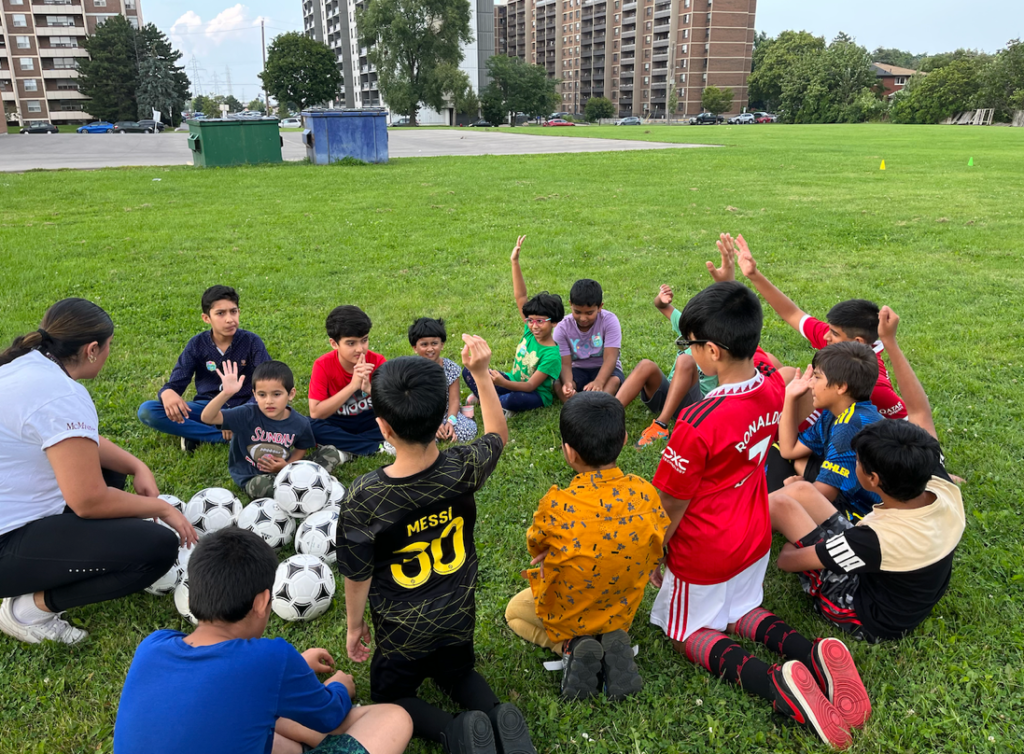
This study contributes to the broader discourse on urban design for children, offering insights into how cities can create more inclusive, engaging, and health-promoting environments. It supports and adds to existing literature, finding that the alignment of play initiatives with public health goals, and strong collaboration between local government departments are effective in supporting children’s play on the strategic level. It identifies barriers to play in policy, namely budget constraints and deprioritisation of play.

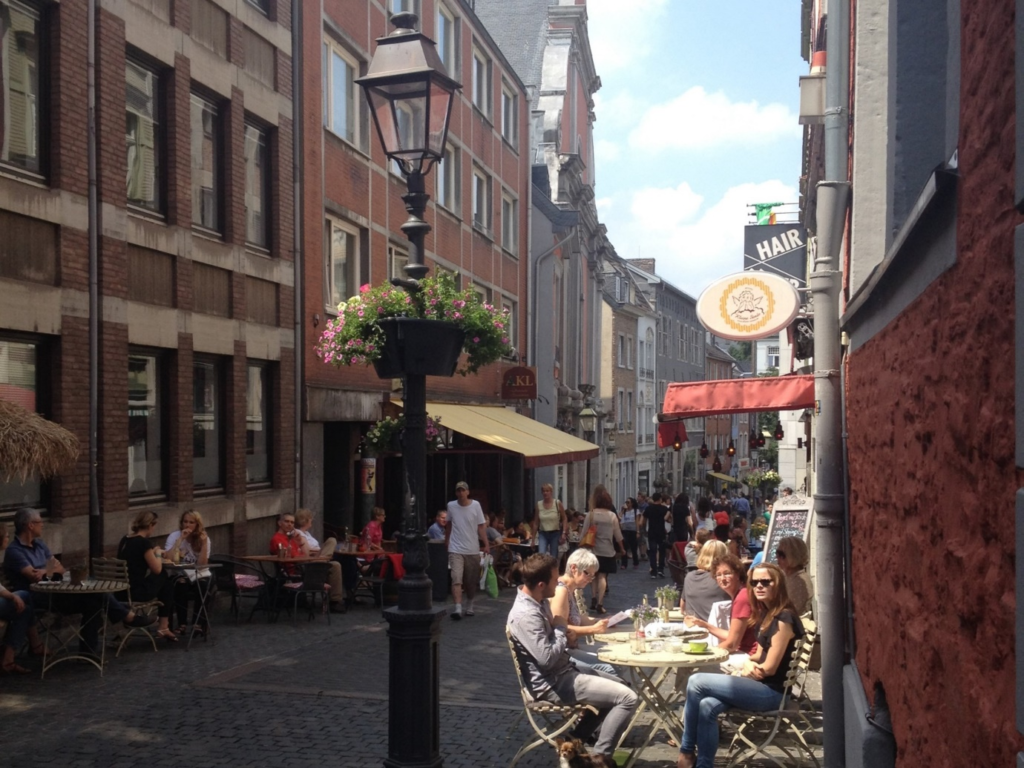
Walking is a forgotten aspect of urban communication. Walking provides places of interaction and is revealing of the relationship between citizens and politics.

Experts agree that the planning of public space in light of new active mobility trends and policies has not properly taken into account the active aging policies and the context of older people as users, especially in the construction of a barrier-free and safe environment. Only through the alignment of active mobility and active ageing policies is it possible to respond to the needs and to include people of all ages