City Know-hows

Urban well-being: How neighbourhood environments shape health and quality of life

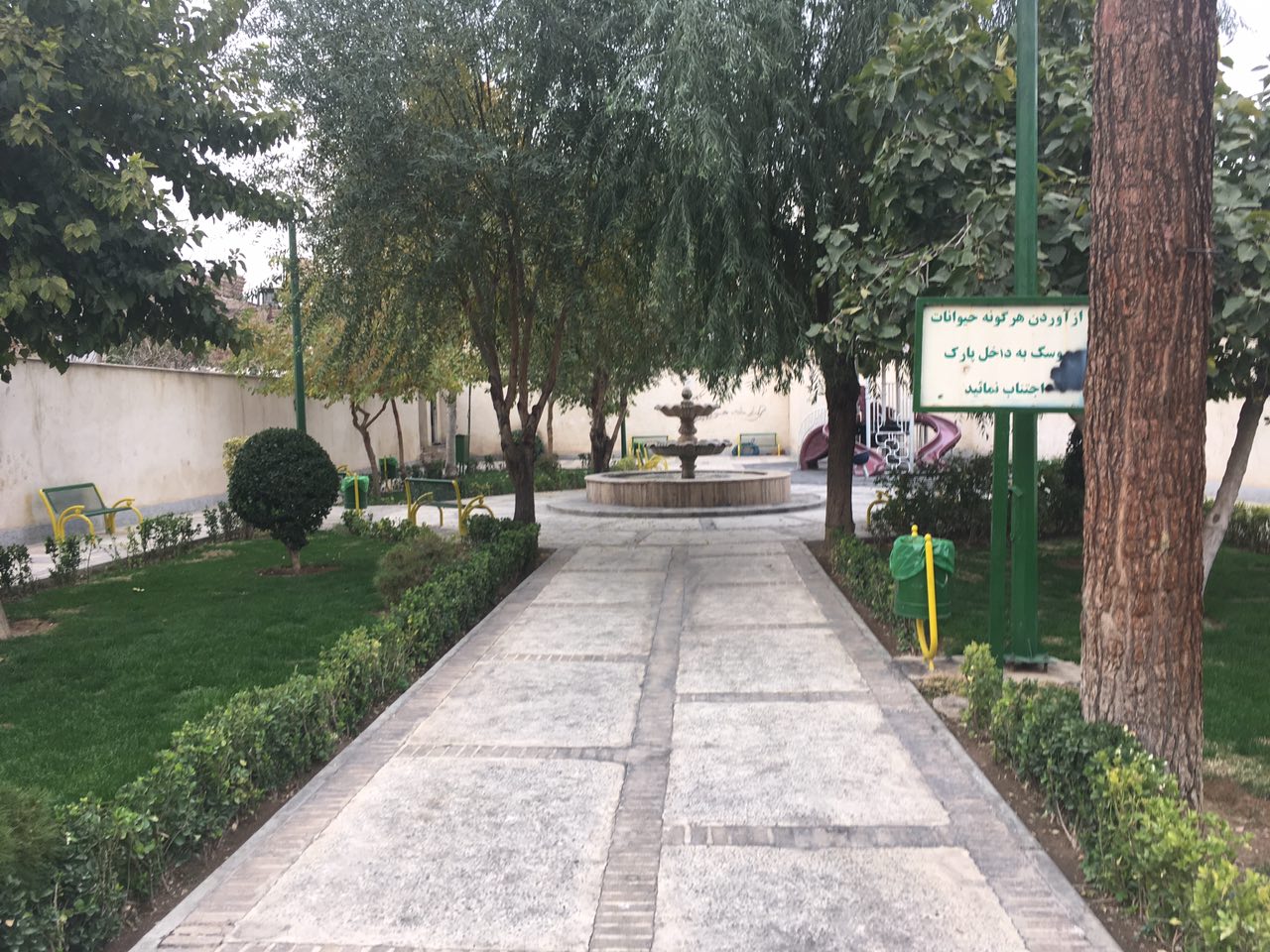
Imamzade Yahya neighborhood park, a key element in promoting health-related quality of life. Photo by Shadi Omidvar Tehrani

Discover how local environments shape resident well-being. Our study reveals the profound impact of physical and social neighbourhood features on adults’ quality of life. Uncover the key elements that make a community thrive and their implications for urban planning and policy.

Share

Target audience

Urban planners and policy makers; public health workers and officials; community leaders and local organizations.

The problem

Rapid urbanization raises questions about the quality of life in cities. we noticed a lack of understanding of how neighborhood environments affect residents’ well-being. Our study explores this gap, focusing on both physical and social neighborhood characteristics and their impact on the health-related quality of life.

What we did and why

We surveyed 393 adults in one of Tehran’s neighbourhoods, assessing their perceptions of local social and physical environments. Using WHO’s Quality of Life–Brief Form, we correlated these perceptions with their health-related quality of life. This approach aimed to understand the specific neighbourhood features that most influence residents’ well-being.

Our study’s contribution

Our study offers a comprehensive understanding of how neighbourhood dynamics influence residents’ quality of life. Specifically, it:
• Reveals that residents show better environmental health compared to their social and psychological health.
• Highlights the importance of accessibility, community participation, and neighbourhood satisfaction.
• Demonstrates a strong link between the availability of neighbourhood amenities and overall well-being.
• Provides new insights into the urban context of a Middle Eastern city, contributing to a globally diverse understanding of urban living.

Impacts for city policy and practice

Our study not only underscores the importance of thoughtful urban design, but also advocates for strategies that enhance the livability and cultural richness of neighbourhoods, such as:
• Emphasizing the development of accessible, well-amenitized neighbourhoods.
• Fostering community participation and a strong sense of neighbourhood satisfaction.
• Informing urban planning and policy with a focus on both physical and social aspects of neighbourhood design.
• Addressing the unique cultural and historical contexts of neighbourhoods in urban development strategies.

Further information

Full research article:

Related posts

Community voices on outdoor gyms: A qualitative study among municipal officials and residents from Arab localities in Israel

We interviewed ten municipal officials and 23 residents in four Arab towns, and observed five outdoor gyms. We wanted to understand how outdoor gyms are perceived, what barriers limit their use, and what strategies could make them more effective. This was the first study of its kind in Arab towns in Israel, but it also speaks to underserved communities worldwide where informal urban development and limited resources shape access to healthy environments.

Read More »

Identifying the best strategies and actions for cities to build urban resilience: a review of the evidence

Cities need to be aware of their vulnerabilities to local emergencies. They also need to understand which urban planning, design and management strategies work best to build resilience. We reviewed the latest scientific evidence to identify the most effective preparedness strategies for different emergency scenarios, analysing co- and dis-benefits among them. Ideas and tools for local authorities and communities in general to build back better.

Read More »

How can Isfahan, an historic city in Iran, be transformed into an age-friendly city?

The elderly should be able to travel and have fun like everyone else and use urban spaces easily, and on this basis, it is necessary to identify dimensions of an age-friendly city that provides the possibility of planning for such environments. We present an approach of bringing the WHO Age-Friendly City framework into urban planning strategic decision-making by using the AIDA (Analysis of Interconnected Decision Areas) model.

Read More »