

City Know-hows
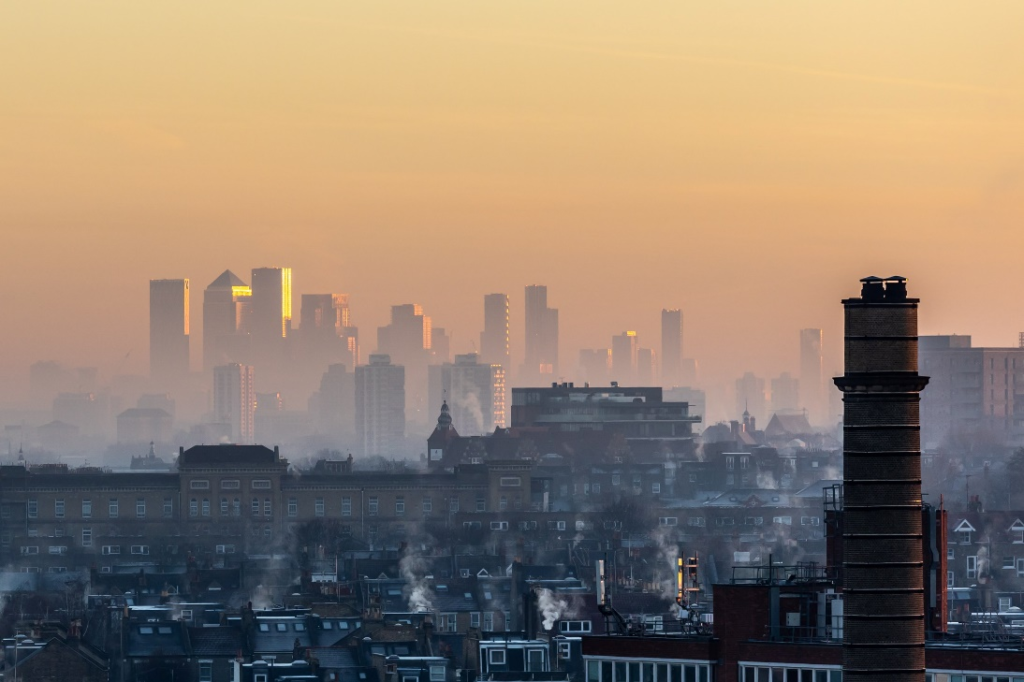
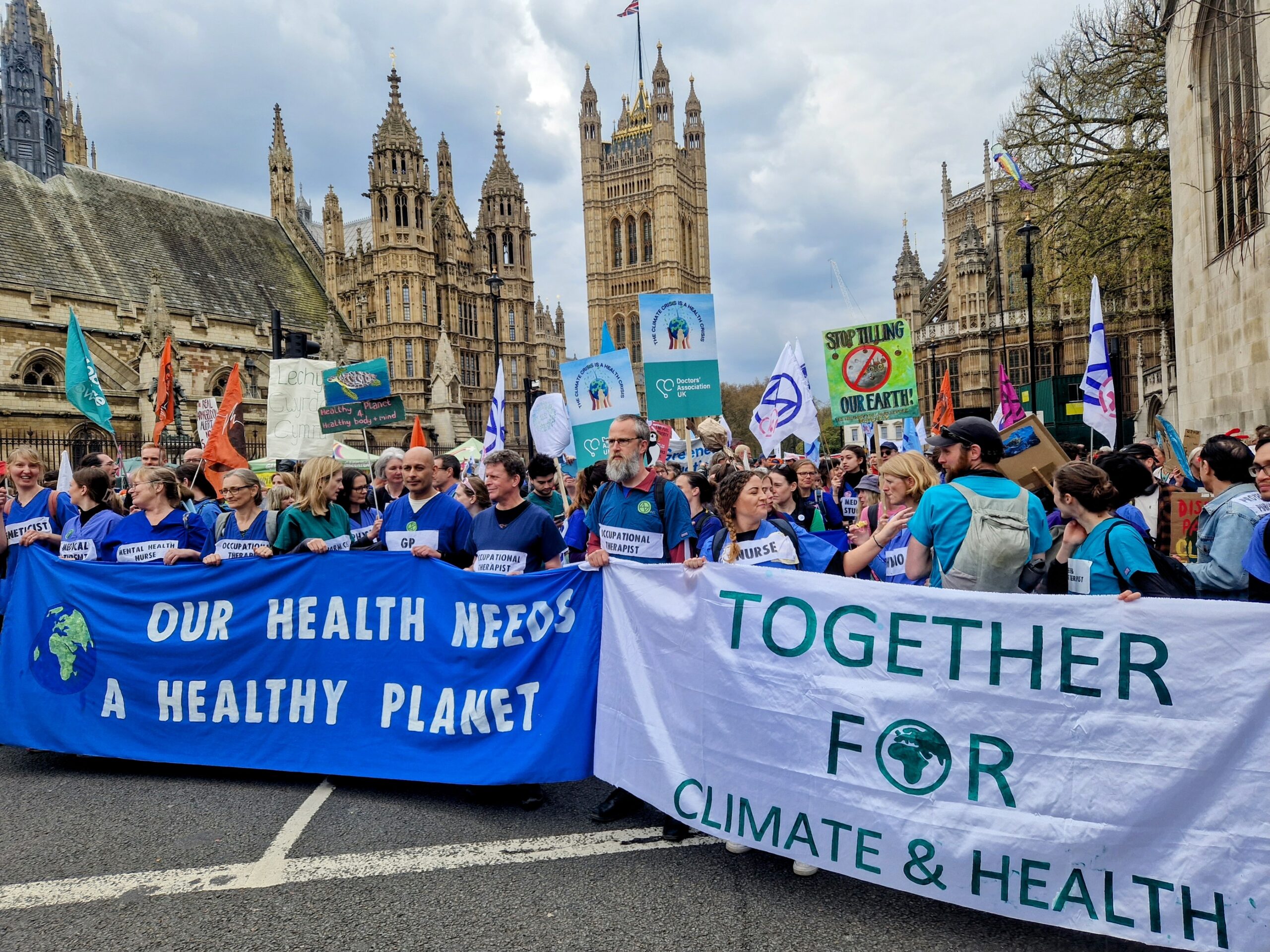
The world is currently responding to the climate crisis and the nature crisis as if they were separate challenges. This is a dangerous mistake. The are leading to dire impacts for our health
Share
Target audience
The World Health Association; National agencies for climate; National agencies for biodiversity; Health professionals, at all levels; Political leaders.
The problem
Many commitments made at the Convention on Biological Diversity internation meetings have not been met. This has allowed ecosystems to be pushed to the brink, greatly increasing the risk of arriving at ‘tipping points’, abrupt breakdowns in the functioning of nature. If these events were to occur, the impacts on health would be globally catastrophic.
What we did and why
We reviewed the twin climate and nature crises under the pre-conditions for WHO to declare a situation to be a Public Health Emergency of International Concern. These are are that it:
1) is serious, sudden, unusual or unexpected;
2) carries implications for public health beyond the affected State’s national bor- der; and
3) may require immediate international action.
Our study’s contribution
Climate change would appear to fulfil all the conditions for a global health emergency. While the accelerating climate change and loss of biodiversity are not sudden or unexpected, they are certainly serious and unusual.
As such the level of risk, combined with the severe impacts on health already occurring, means that the World Health Organization should declare the indivisible climate and nature crisis as a global health emergency.
Impacts for city policy and practice
First, we must recognise this crisis for what it is: a global health emergency. With regard to this, we strongly advocate that:
WHO declare this situation to be a Public Health Emergency of International Concern.
National agencies ensure better integration of national climate plans with biodiversity equivalents.
Health professionals, at all levels, be powerful advocates for both restoring biodiversity and tackling climate change for the good of health.
Political leaders recognise both the severe threats to health from the planetary crisis as well as the global and local benefits that can flow to health from tackling the crisis.
Further information
Full research article:
Time to treat the climate and nature crisis as one indivisible global health emergency by Kamran Abbasi, Parveen Ali, Virginia Barbour, Thomas Benfield, Kirsten Bibbins-Domingo, Gregory E. Erhabor, Stephen Hancocks, et al.
Related posts

Canadian youth who had better mental health during the first summer of the pandemic tended to also have more nearly local neighbourhood destinations.

Cold spells adversely impact the mental well-being of older adults, causing depression, sleep disturbances, and social isolation. This study highlights the failure of community services to address these issues, urging policymakers and healthcare providers to implement targeted mental health interventions for this vulnerable population.

Rain waterfalls, patterns of dappled light, and visual connections with nature. The Walumba Elders Centre (Warmun Community, Western Australia, 2014). Photographer Peter Bennetts