


City Know-hows
Target audience
Policy-makers, developers, academics and architects
The problem
In the context of global urbanisation, creating high-density living environments that promote health, wellbeing and social connectedness is vital. In apartment buildings, residents live in close physical proximity and share communal areas, however not all areas are equal in design and quality, which may impact usage and opportunities for social interaction.
What we did and why
Using a novel desktop audit approach, we objectively identified communal area design features and examined their association with residents’ use of communal areas in apartment developments across Perth, Melbourne and Sydney.
Our study’s contribution
This appears to be the first attempt to utilise an objective audit tool that assesses a number of design themes across communal areas. Our study results suggest that the delivery of high-quality communal areas can encourage use, which in turn, may have implications for residents’ social opportunities and outcomes.
Impacts for city policy and practice
The findings have policy and design implications, suggesting that the provision of communal space alone may not be enough to encourage use without the design features or amenities that appeal to residents.
Further information
Full research article:
Exploring the design, quality and use of communal areas in apartment developments by Alexandra Kleeman, Billie Giles-Corti, Lucy Gunn, Paula Hooper & Sarah Foster.
Related posts

Discover how local environments shape resident well-being. Our study reveals the profound impact of physical and social neighbourhood features on adults’ quality of life. Uncover the key elements that make a community thrive and their implications for urban planning and policy.
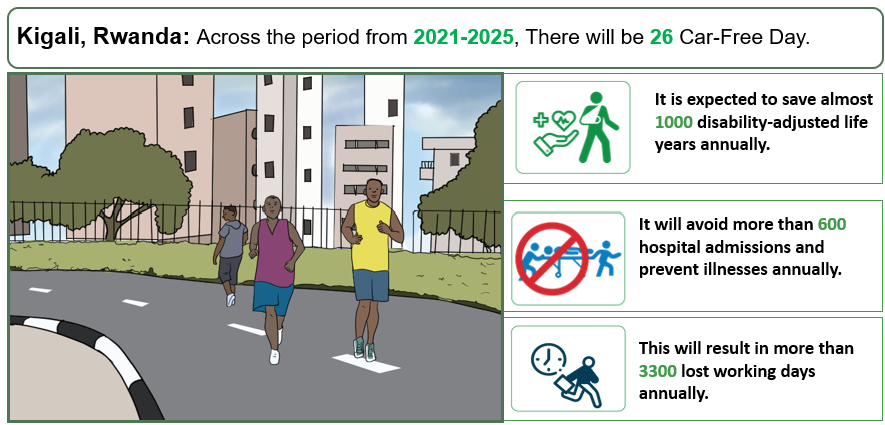
To understand the current drivers of air pollution, we used two natural experiments (Car-Free Day and COVID-19 Lockdown) to examine their impact on air pollution using particulate matter air pollution data in Kigali City. The health impact of non-motorized transport events in Kigali, known as ‘Car-Free Days,’ goes beyond just mass physical exercise. Importantly, it has reduced air pollution by 15%, this is expected to save more than 200 disability-adjusted life years annually.

Evaluating urban environments is crucial for enhancing mental well-being. Identifying key indicators and developing a robust framework are essential steps in effectively measuring the impact. This method is fundamental for designing targeted strategies to improve mental health outcomes through informed interventions.