City Know-hows
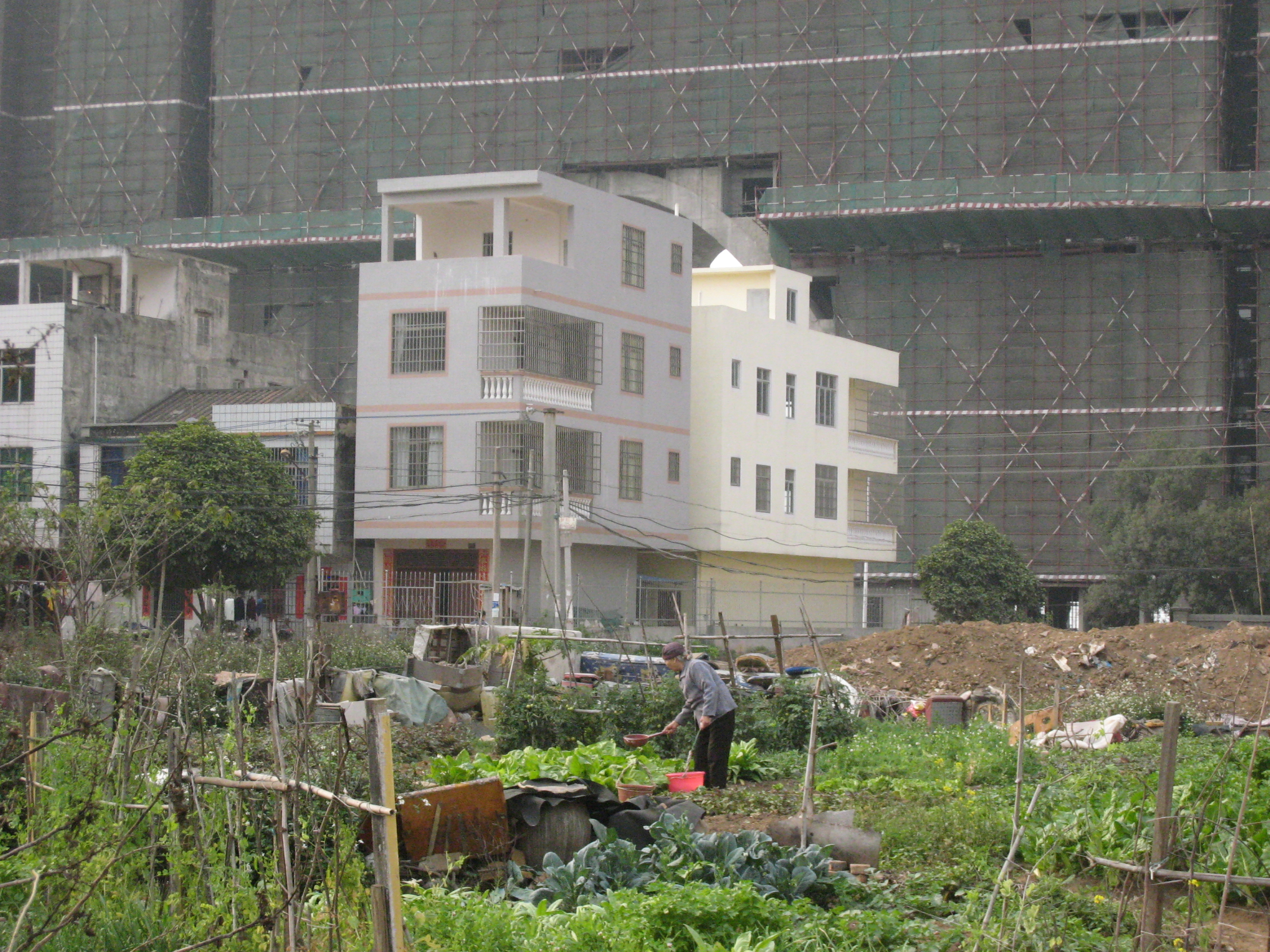
Older people in China want to age at home but contrary to common perceptions, not all want to live with their children. Some are open to new options beyond aging in ordinary dwellings.
Share
Target audience
Housing policymakers and urban planners
The problem
With almost one-quarter of the world’s population aged 65 or more, we wanted to know where Chinese people prefer to live as they age.
What we did and why
We reviewed 30 peer-reviewed empirical articles on aging in place and housing preferences among older people in mainland China, Hong Kong, and Taiwan.
Our study’s contribution
The image of older people in China preferring to live with their children is not uniformly the case, particularly for those with the most resources, and with fewest. Not enough is known about preferences for what kinds of places older Chinese want to live in, including the design, location, and tenure of homes.
Impacts for city policy and practice
Current Chinese policies promoting aging in place with home and community-based care align with many older adults’ preferences. Barriers, such as unadaptable homes and inadequate medical and care services provide challenges. Given the demographic trends in China, policy will need to go further in providing options for care beyond relying on children by making existing homes and neighborhoods more supportive of aging.
Further information
Full research article:
[OPEN ACCESS] Aging in place in China: contextualizing perceptions about whether and how to age at home by Yingying Lyu & Ann Forsyth
Related posts

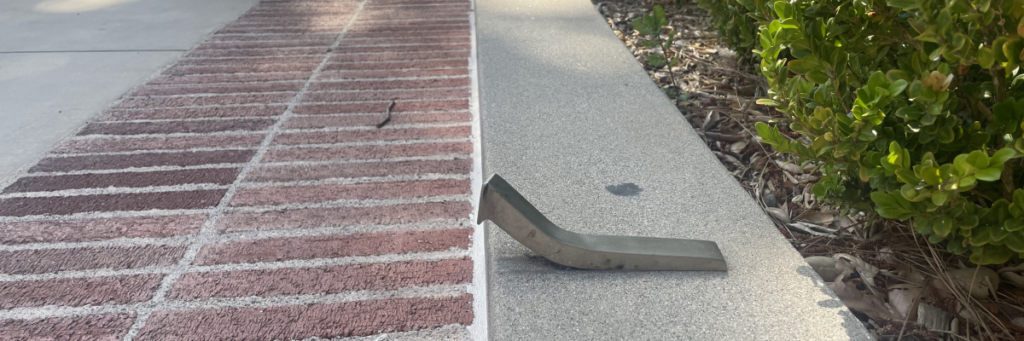
Public spaces in universities target skateboarding through hostile architecture and security. Hostile designs exclude skateboarding as a novel form of physical activity. Maybe ‘just’ urban design guidelines can produce more inclusive and diverse public campus spaces.
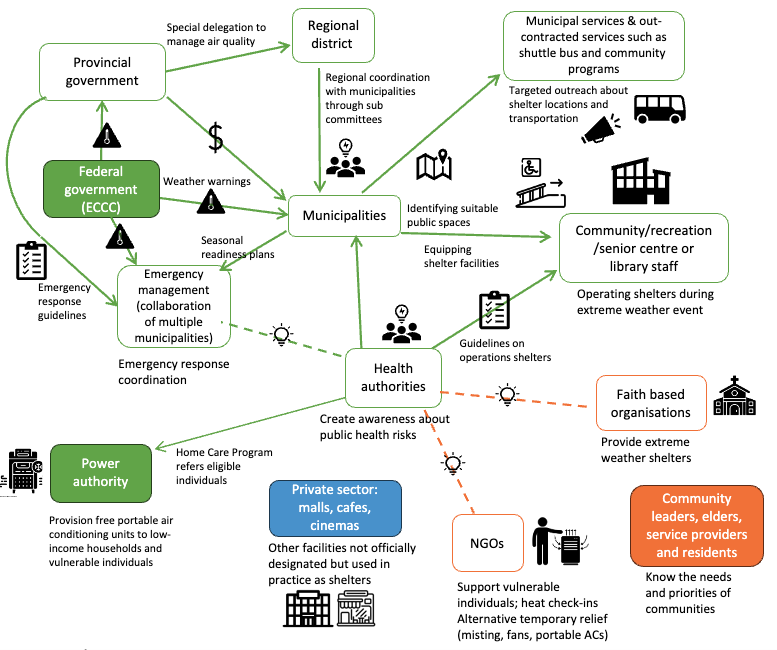
Extreme heat and wildfire smoke are a growing concern in cities. Cooling and cleaner air centres can provide a much-needed respite but too often they’re set up reactively and inconsistently. Our study explores what works, what doesn’t, and how cities can design these spaces to be reliable, inclusive, and accessible for all.
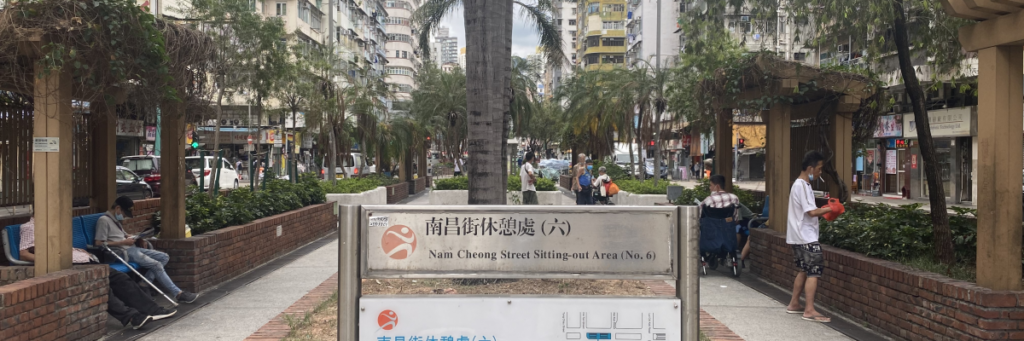
Place qualities affect people’s place identity, attachment, and behaviour, as well as their emotional, psychological, and social well-being. This is core to healthy cities, urban futures and public health.