


How caste and neighbourhood environment shape health inequality in India’s Tier-II cities
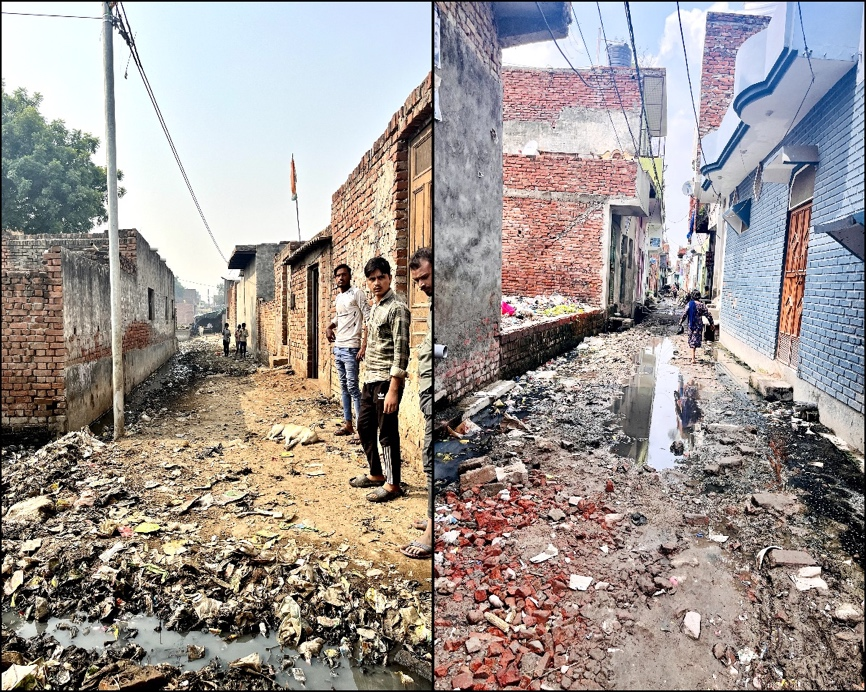
Caste and environment intersect to shape urban health inequities in Indian cities. Based on fieldwork in Aligarh, this study uncovers how lower-caste households are disproportionately exposed to environmental hazards and denied equitable healthcare. I conducted a mixed-methods study of 1,650 households in Aligarh to examine the relationship between caste, environmental conditions, and health. Using correlation analysis and spatial mapping, I identified patterns of environmental risk and unequal access to healthcare services. The findings urge inclusive urban health planning that prioritizes caste-aware environmental justice.
Comparing 30 km/h speed limits in Canada and Australia: Lessons in implementation
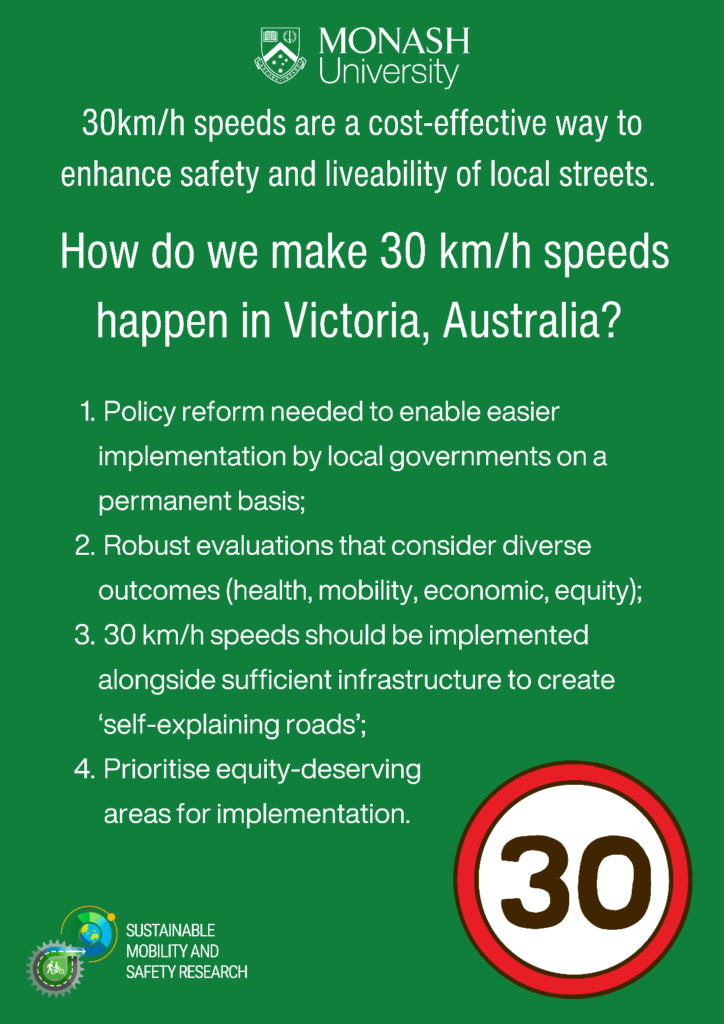
This study provides critical insights into the complexity of implementing 30 km/h speeds, and opportunities to enhance systems to catalyse change.
An exploration on the contribution of Third Places to fostering healthy walking habits in cities
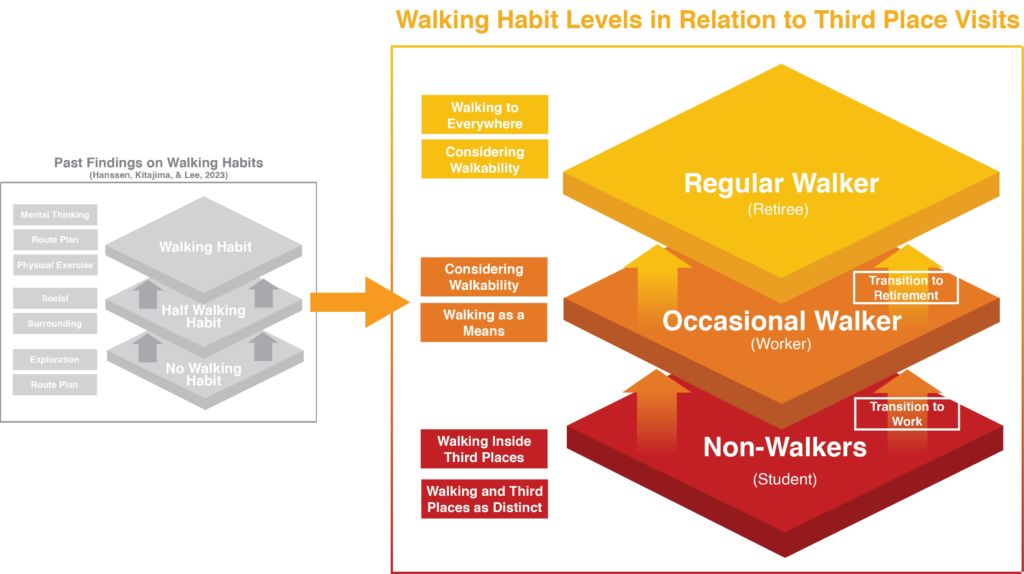
We explored the influence of third places on walking habits across life stages. Our study demonstrates the unique goal structures for students, workers, and retirees, identifying key patterns shaping walking behavior in cities. Integrating these findings into urban planning can revolutionize cityscapes and promote healthier, more active communities.
The air pollution burden of outdoor and informal workers in Bangkok
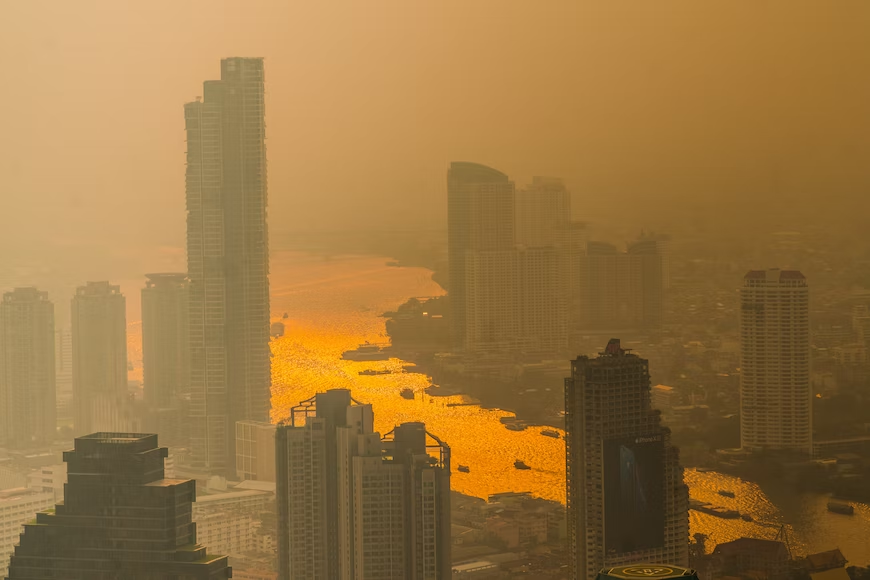
Air pollution kills. But who is most exposed to air pollution in a city? This paper explores how different workers in Bangkok are exposed to PM2.5, how they protect themselves (or not), and what this means for city planners.