

City Know-hows

Factors that influence urban park access

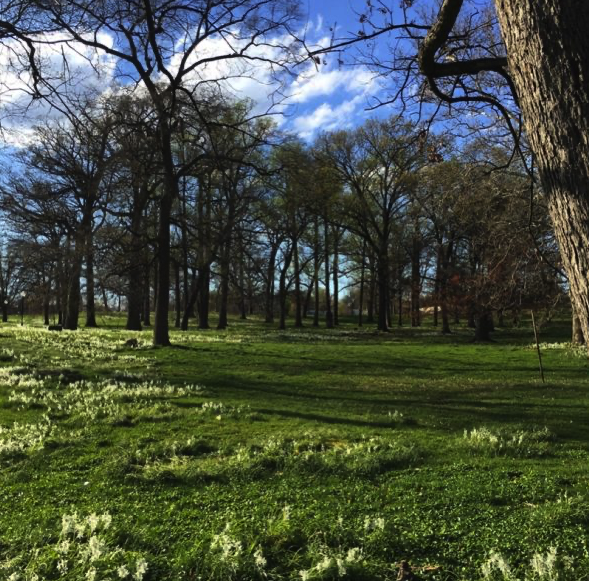
Image of Druid Hill Park in Baltimore, Maryland, USA. Credit: Daniel

Target audience

Those responsible for managing green public space and parks, city government, directors of parks and recreation and green space advocates.

The problem

Current policy prioritizes time to walk to the park as a measure of access. We sought to investigate a more holistic model of park access that would promote equity.

What we did and why

We designed a survey tool based on a comprehensive theory of access. We then performed door to door administration of the survey in two historically disinvested communities bordering a large park in Baltimore City, Maryland USA, to determine factors associated with self-reported park use.

Our study’s contribution

We found that whilst time to walk to the park is an important metric, it is insufficient to describe the barriers to park use in urban communities.

  • We found that park access was associated with perceived safety and programming but not with time to walk to the park.
  • We also found that those who reported the neighbourhood as less affordable were more likely to use the park.

Impacts for city policy and practice

Our finding shows that

  • Factors that influence perceptions of park safety should be prioritized as essential components of park access.
  • Activity programming should be considered an essential component of park accessibility, and should be designed and implemented with a focus towards the local community.

Further information

Full research article:

Leave a Reply

Your email address will not be published. Required fields are marked *

Related posts

Four-walled or fourfold? Well-being in gated cities

Our study sheds light on the evolving dynamics of the Greater Cairo Region, adding depth to the understanding of whether gated communities act as true remedies or reflections of concrete houses. By incorporating a model based on critical factors for mental health, we offer insights into the nuanced dimensions of well-being in the context of urban development. This research contributes to a more comprehensive understanding of the complex interplay between city structure and residents’ overall well-being.

Read More »

City design must respect young people’s rights and consider their lived experiences. Meaningful participation is a powerful protective factor!

Violence and abuse by and among youth are critical public health issues. Building equitable cities requires centring the voices of marginalised young people, whose experiences provide vital insights into safer urban spaces. Supporting marginalised youth in shaping safer cities is a delicate balance, like the porcupine’s dilemma; —nurturing participation while ensuring protection. Together, we can create safer, more equitable spaces for all.

Read More »

Healing landscapes: The role of urban greenery in rebuilding cities

In the aftermath of conflict, cities prioritize reconstruction, but green spaces often get left behind. This study delves into how residents of post-conflict cities engage with urban parks, providing valuable knowledge for decision-makers to unlock the full potential of these green havens for social cohesion and well-being.

Read More »