
City Know-hows

Healing landscapes: The role of urban greenery in rebuilding cities

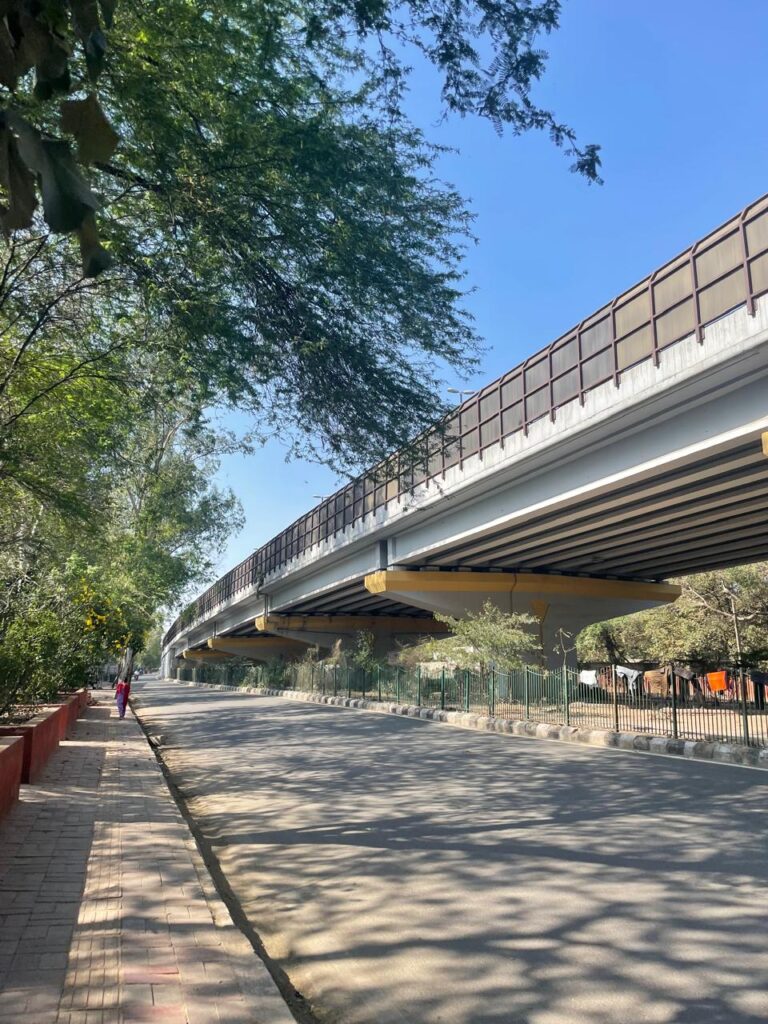
Urban vegetation in Mogadishu. Photo by Khalid Abdalla on Unsplash

In the aftermath of conflict, cities prioritize reconstruction, but green spaces often get left behind. This study delves into how residents of post-conflict cities engage with urban parks, providing valuable knowledge for decision-makers to unlock the full potential of these green havens for social cohesion and well-being.

Share

Target audience

Urban Planners, City Officials in post-conflict settings and International Aid Organizations working on urban development and social cohesion.

The problem

We investigated parks and green spaces in cities recovering from conflict, focusing on where they are located, how many there are, who uses them, why people visit them, and how parks affect people’s health.

What we did and why

To understand how residents use Mogadishu’s parks, we conducted a resident survey and analyzed maps. This combined approach helped us see park usage patterns, accessibility, and distribution across the city.

Our study’s contribution

The study revealed a diminishing and limited green space, like parks and playgrounds, in Mogadishu. The results have also shown that people visit green spaces in Mogadishu to reduce stress and connect with nature which is a critical factor for maintaining good health. Younger residents (25-35), mostly born during or after the conflict, showed a surprising acceptance of the limited park availability. This suggests a potential normalization, which could hinder future efforts to improve green spaces in the city.

Impacts for city policy and practice

For cities rebuilding after conflict, like Mogadishu, fewer green spaces threaten health. Policymakers must prioritize creating new parks, maintaining existing ones, and ensuring access. Addressing land grabbing, privatization, and security concerns alongside public awareness campaigns can unlock the healing power of green spaces

Further information

Full research article:

Accessibility and usage patterns of urban green spaces in Mogadishu, Somalia by Abdishakur Awil Hassan, Mahad Wasuge, Daud Muse Daud and Ahmed-Nor Mohamed Abdi.

Related posts

Opportunities and challenges of using mobile phone data for evaluating placed-based interventions: A green space pilot

There is limited evaluation of whether green space interventions lead to more people using these spaces. This is partly due to the difficulty of collecting data on visits to green spaces. Mobile phone data may offer one solution, but are rarely made available to researchers. As such, there is less examination of whether these data are valuable. We accessed small area anonymised mobile phone GPS data for Liverpool (2021-2022). Using a case study of wildflower planting, we identified green spaces where wildflowers were planted. A synthetic control was then constructed to identify similar green spaces where planting did not take place. We then compared the number of visits post-intervention between the intervention and control green sites. Our paper also gives an empirical and methodological evaluation of the strengths and weaknesses of using mobile phone data, which can inform others on how to best use them.

Read More »

Equitable access of children and seniors to urban green spaces

Access to green spaces and a walkable neighborhood are essential for maintaining good health, particularly for vulnerable populations. Thus, it is imperative to ensure that individuals have the opportunity to reside in neighborhoods that are not only walkable, but also equipped with adequate green spaces conveniently located within a reasonable walking distance.

Read More »