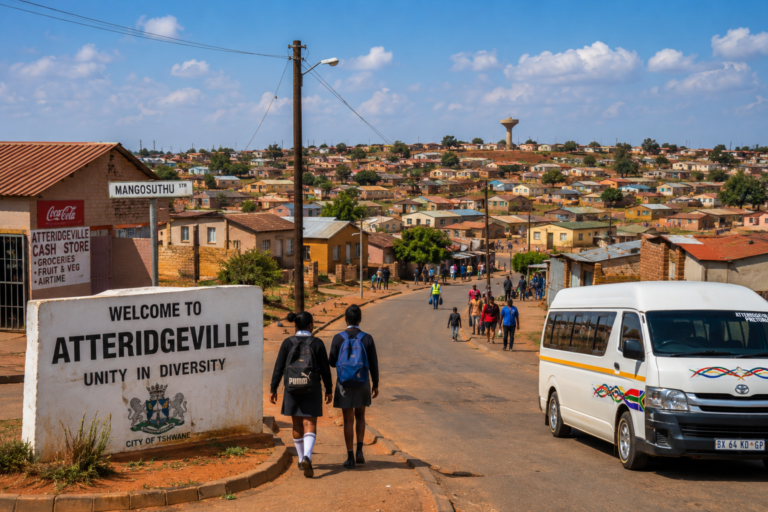

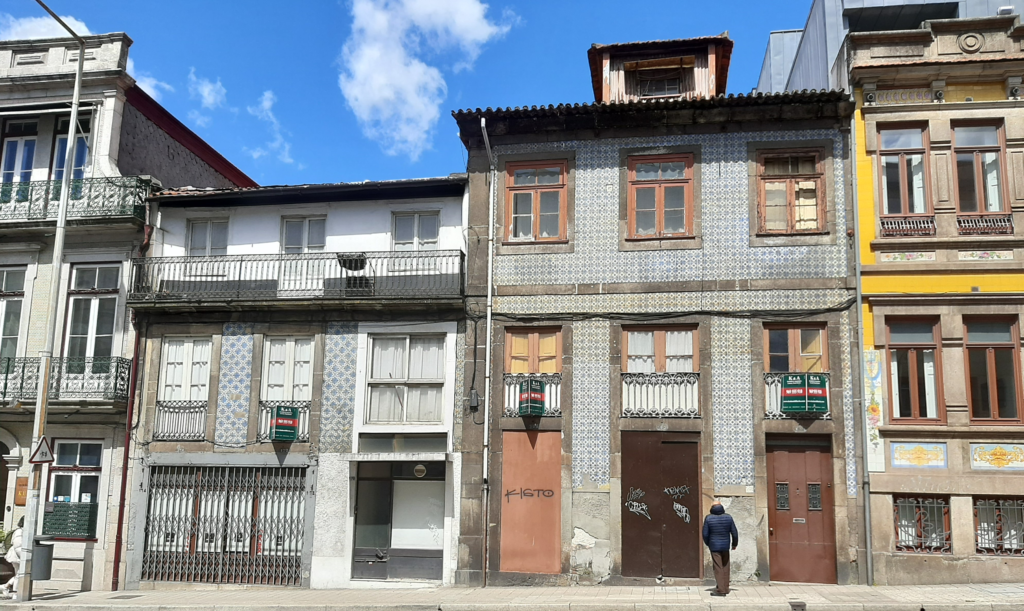
Gentrification is reshaping cities worldwide. It has both upsides and downsides for older adults, including rising costs, housing scarcity, weakened social ties, and mental health issues.
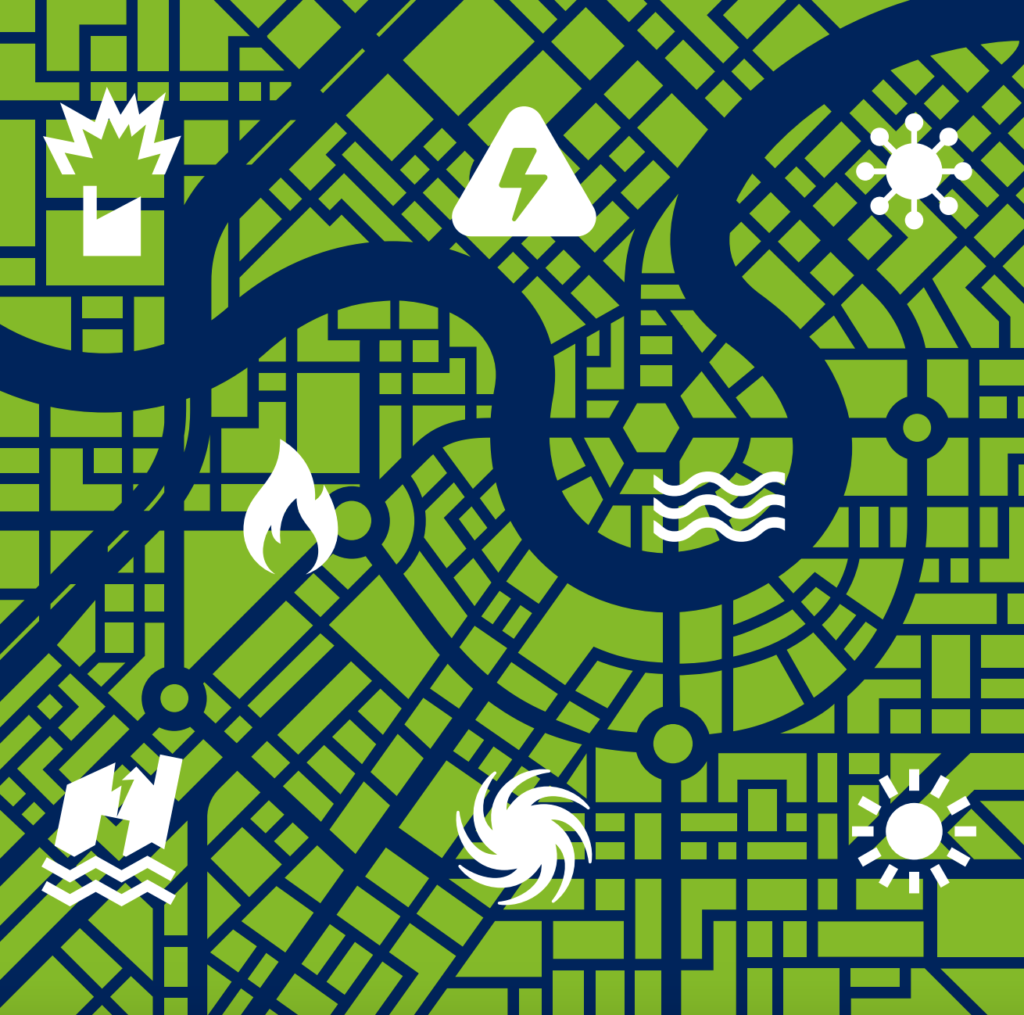
As emerging challenges have made urban areas increasingly vulnerable, jeopardizing the health and well-being of their inhabitants, resilience should be seen as a pathway for healthy cities and integrated into urban planning practices. This study shows if and how existing indicator frameworks can identify urban systemic vulnerabilities and priorities for resilience building to provide local authorities with evidence crucial in planning for healthy and resilient cities.
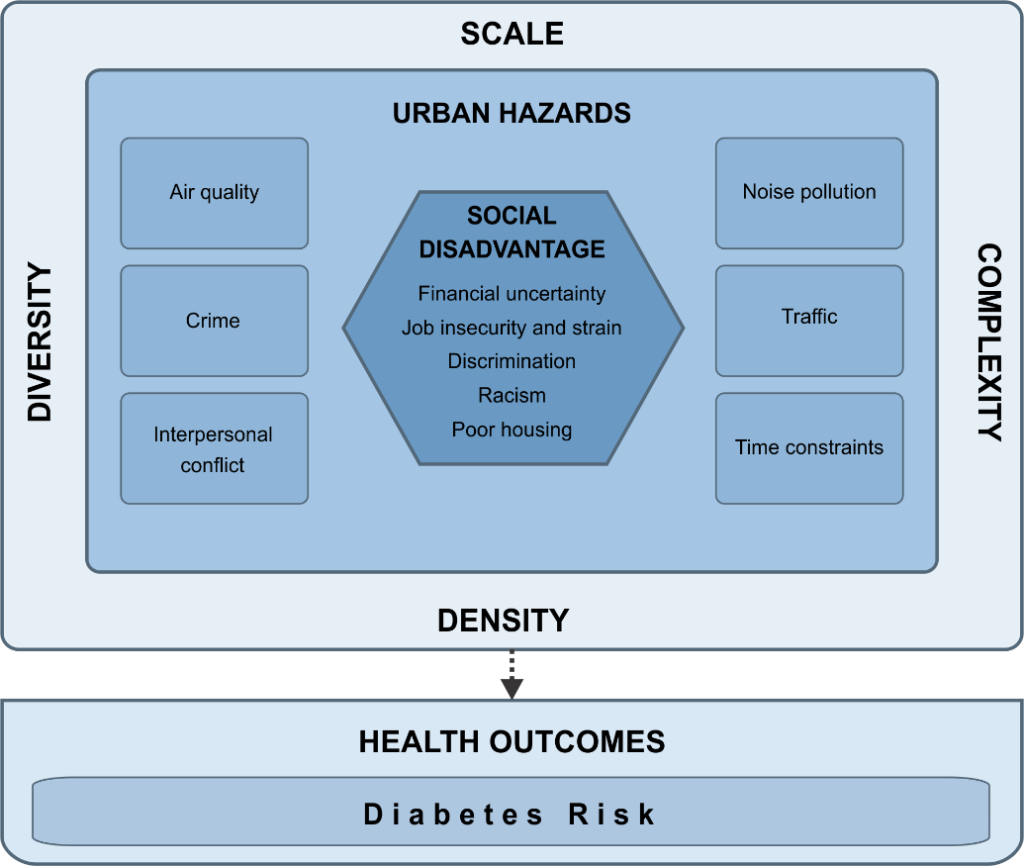
We present a novel conceptual framework called the Urban Stress Model, which intentionally crosses disciplinary boundaries. We suggest that the unique physical form of cities contributes to an increased stress burden through the interacting influences of daily urban hazards and social disadvantage. We use New York City as a case example because of its high diabetes rates and its legacy of unequal healthcare in the context of concentrated wealth. Therefore, New York City can provide valuable insights for newly developing urban centers worldwide confronting similar challenges and growing social and health inequality.