


City Know-hows
Heat exposure and greenness influence health and learning outcomes. Satellite images show schools on the Coast have strong heat stress levels and low vegetation; schools in the Andes have the largest solar radiation. Reforming school infrastructure standards is urgently needed in Ecuador.
Share
Target audience
World Health Organization; UNESCO.
The problem
Students spend approximately 200 days per year in school, making it an important setting for health promotion. When temperatures go above 26ºC (i.e. moderate heat stress), in addition to influencing comfort levels, there are repercussions on students’ health, well-being, and related academic outcomes. Around the world, government standards for school infrastructure and grounds rarely consider temperature levels, solar radiation, or vegetation in the design and planning of schools.
What we did and why
To describe environmental conditions in nine Ecuadorian schools, we analyzed three variables: temperature, vegetation, and solar radiation derived from satellite images that we downloaded from Google Earth Engine. We compared schools across three ecoregions to see differences in range and average values.
Our study’s contribution
We found that schools on the Coast had the highest temperature values, reaching averages up to 37ºC with records of 41ºC. These schools also had the lowest vegetation values. Temperature mean values in schools in the Amazon and Andes regions were similar. Schools in the Andes region showed the highest levels of solar radiation of all schools.
Impacts for city policy and practice
An increase in vegetation can reduce temperature levels and protect students from radiation through shade. Knowledge of environmental conditions in schools should inform educational standards in Ecuador to develop focused policies addressing high temperature and radiation levels together with the low levels of vegetation across ecoregions.
Further information
Full research article:
Keeping it cool: a multi-case study of temperature, vegetation, and solar radiation in Ecuadorian schools by Matea Cañizares and Daniel Romero-Alvarez
Related posts

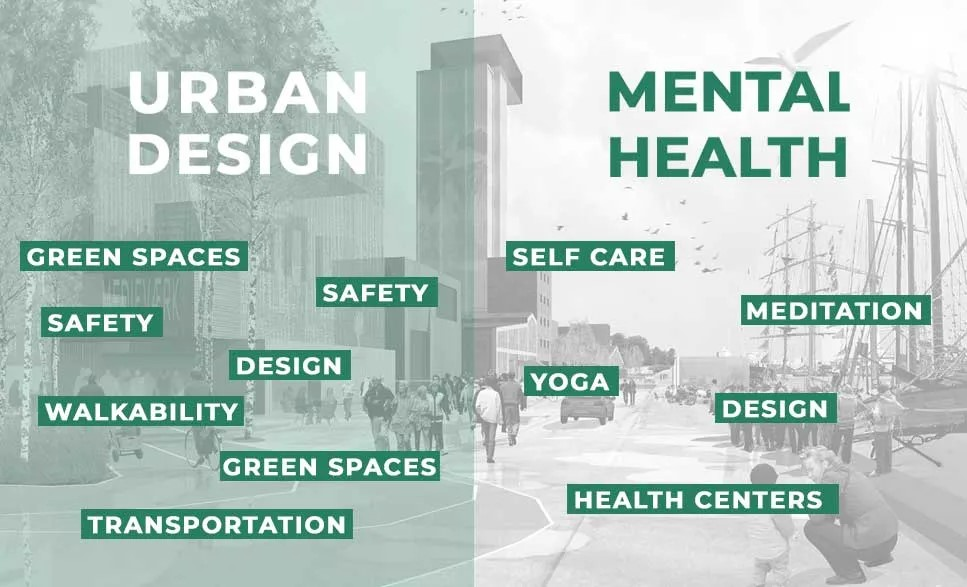
Assessing the urban environment is crucial for enhancing mental well-being. It is imperative to identify relevant indicators and establish a comprehensive framework to measure the impact effectively. This approach is essential for initiating strategic interventions aimed at improving mental health outcomes.

Public spaces in universities target skateboarding through hostile architecture and security. Hostile designs exclude skateboarding as a novel form of physical activity. Maybe ‘just’ urban design guidelines can produce more inclusive and diverse public campus spaces.

From data to policies: let the data speak! Making local policies more evidence- informed about health and health inequalities. Developing a community engagement toolkit to address health inequalities in urban settings.