City Know-hows

From lockdowns to recovery: COVID-19’s lasting impact on cities

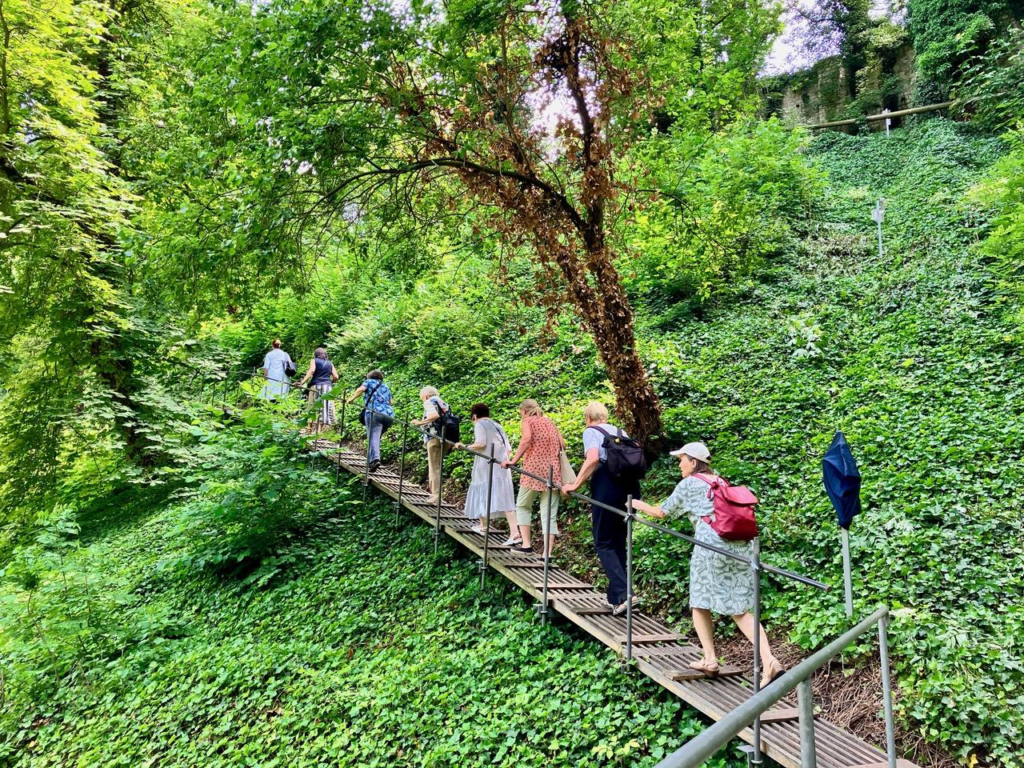
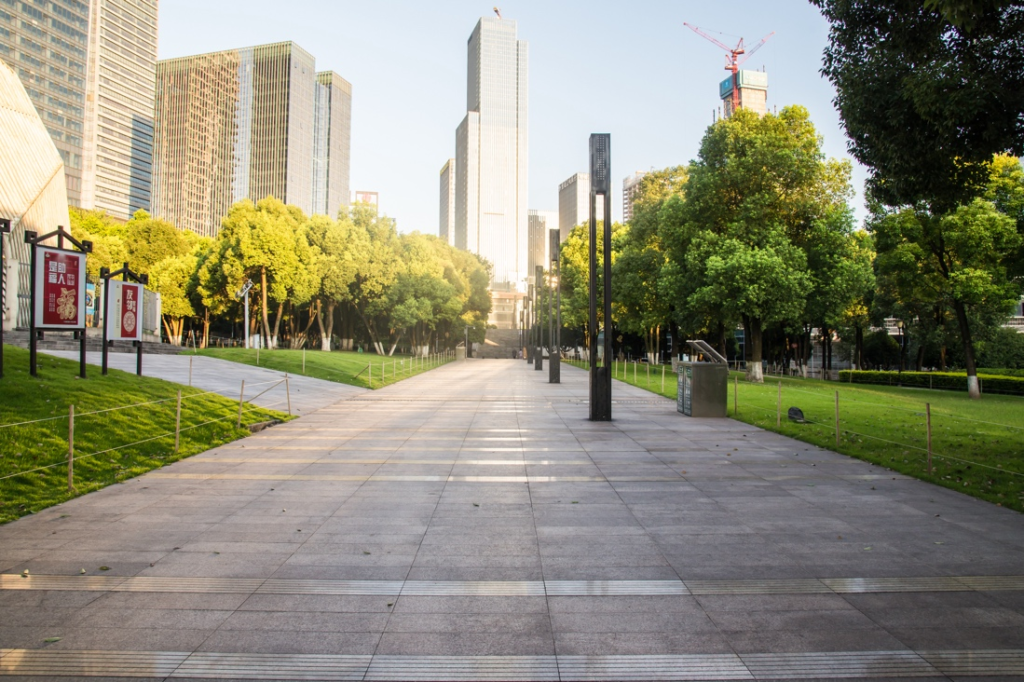
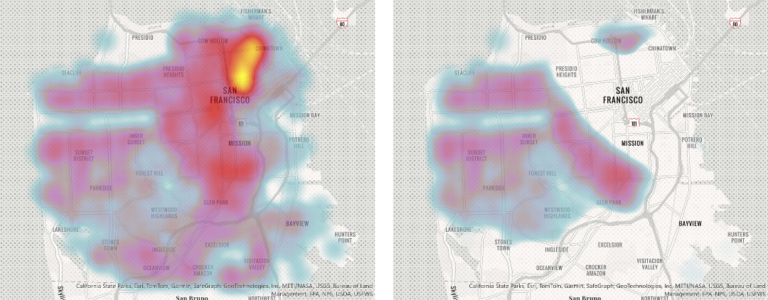
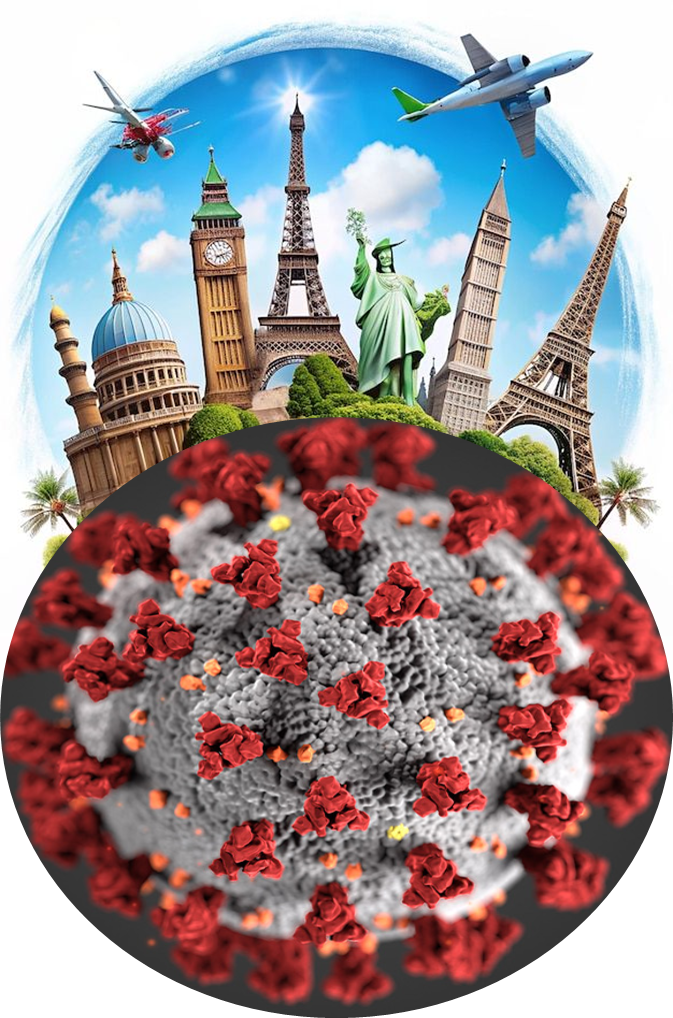
his image, combining two sources, illustrates the profound impacts of COVID-19 on cities. One image is adapted from a Pinterest collection, and the other is from the CDC COVID-19 timeline (https://www.cdc.gov/museum/timeline/covid19.html). It highlights the need for cities to plan resilient, adaptable, and socially safe urban environments.

Before COVID-19, we freely used lively streets and public spaces. The pandemic emptied them and changed how people perceived urban life. Places once full of joy became empty and fearful. Our study examines COVID-19’s impact on three key dimensions of urban design and offers lessons for building healthier, more resilient cities.

Share

Target audience

This message is for city planners and urban designers, municipal health officers, and local government leaders

The problem

When COVID-19 emerged, we saw major changes in people’s daily lives. The way urban spaces were used shifted dramatically, and during the early phases of the pandemic, our cities became empty of pedestrians. Since design and planning had rarely considered the possibility of epidemics, this lack of preparedness created many challenges for citizens. Through our research, we wanted to highlight these gaps and the urgent need for healthier, more resilient urban spaces.

What we did and why

In this study, we carried out a systematic review to understand how COVID-19 affected cities. We focused on three important dimensions of urban design: morphological, social, and perceptual. We wanted to bring together evidence from different studies to see the full picture of the pandemic’s impact. Our aim was to identify lessons that could help cities become more adaptable and resilient, ensuring that public spaces support health, safety, and vitality in future crises.

Our study’s contribution

In previous research, many studies have examined specific aspects of urban design, such as density, green spaces, or smart city initiatives, but these investigations were often fragmented and limited to single indicators. In our study, we provide a comprehensive and holistic perspective, addressing both physical and non-physical dimensions of urban design. By doing so, we offer urban designers, planners, and decision-makers a broader and more integrated understanding to guide informed post-pandemic planning and policy.

Impacts for city policy and practice

Our study provides urban designers and planners with a comprehensive perspective, allowing them to approach their work with a structured and prepared mindset. By using these insights, cities can incorporate strategies in design and planning that enhance resilience, manage public spaces effectively, and maintain social interactions safely. In doing so, urban environments will be better prepared for future health crises, ensuring that both physical and social aspects of cities can respond efficiently and protect the well-being of residents.

Further information

Full research article:

Related posts

What are residents’ lived experiences of higher density living and impacts on health and wellbeing?

We conducted a citizen science project to engage with current residents in higher density residences in Northern Sydney to explore the positive and negative aspects of their lived experiences on their health and wellbeing. Together, we identified the elements that residents of these communities value as well as those with potential negative impacts that could be mitigated through good planning and design.

Read More »

The urban health crisis: How city living is quietly fueling the world diabetes crisis

We present a novel conceptual framework called the Urban Stress Model, which intentionally crosses disciplinary boundaries. We suggest that the unique physical form of cities contributes to an increased stress burden through the interacting influences of daily urban hazards and social disadvantage. We use New York City as a case example because of its high diabetes rates and its legacy of unequal healthcare in the context of concentrated wealth. Therefore, New York City can provide valuable insights for newly developing urban centers worldwide confronting similar challenges and growing social and health inequality.

Read More »