City Know-hows
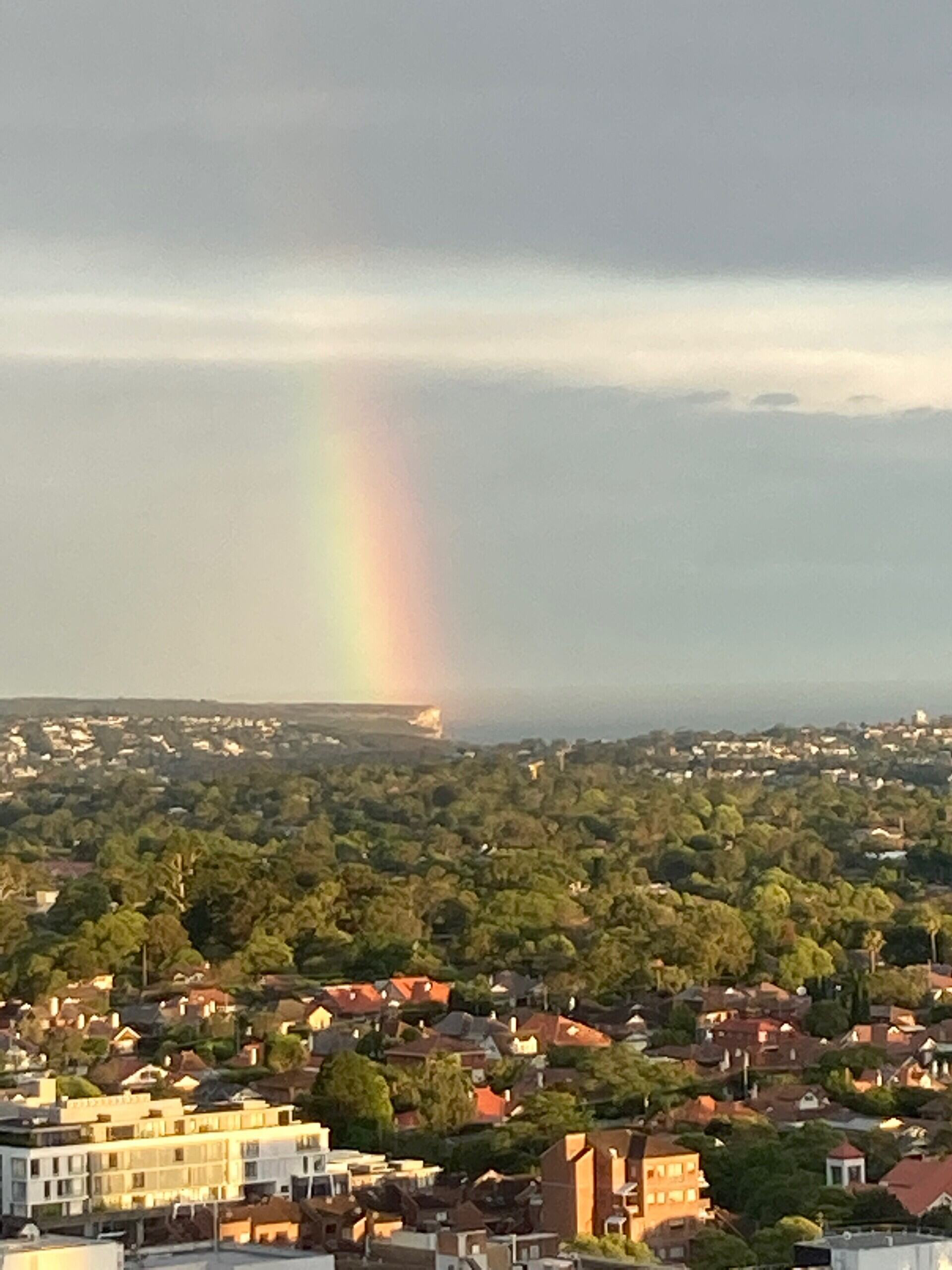
This study in Northern Sydney shows that current residents of higher-density neighbourhoods view these environments positively, offering useful insights for future urban planning and community reassurance amidst Sydney’s densification plans.
Share
Target audience
Planning and health policy makers, developers, healthy built environment practitioners and researchers
The problem
We know that well-designed higher-density neighbourhoods and dwellings can benefit physical and mental health and wellbeing. Public perceptions about increasing housing density in Sydney, Australia, have predominantly been negative and featured the voices of people who have not lived in apartments before.
What we did and why
We conducted a citizen science project to engage with current residents in higher density residences in Northern Sydney to explore the positive and negative aspects of their lived experiences on their health and wellbeing. Together, we identified the elements that residents of these communities value as well as those with potential negative impacts that could be mitigated through good planning and design.
Our study’s contribution
Our study provides insights into the perceptions of the health and well-being impacts that residents associate with living in higher-density neighbourhoods, most of which are positive. These data will inform the development of resources to disseminate key project findings to the community and assist with government planning that could alleviate negatively perceived features.
Impacts for city policy and practice
With future densification plans being implemented across Sydney, promoting the lived experiences of community members offers a promising strategy for addressing concerns, mitigating anxieties, and dispelling misconceptions among those unfamiliar with or opposed to higher-density living. The attributes of higher-density neighbourhoods that are valued by residents fall under the jurisdiction of various levels of government and different administrative departments. Achieving successful urban densification that supports health and wellbeing will require robust intersectoral collaboration.
Further information
Full research article:
Health and well-being in higher-density living: Insights from Northern Sydney residents by Josephine Chau, Taylah Scutts, David Morrisey, Jonathon Noyes, Yvonne Laird, Louisa Alam, Samantha Rowbotham and Paul Klarenaar.
Related posts

any parks and public spaces are not designed with seniors in mind, lacking features that encourage physical activity and social interaction. This can lead to isolation, decreased mobility, and poor health outcomes. Unlock the potential of urban parks to promote healthy ageing. Our research identifies the essential design elements that encourage seniors to stay active, providing a roadmap for cities to create an inclusive and supportive environment.

Discover how integrating agoraphobia-responsive elements into urban design and planning can transform public spaces into safer, more inclusive environments. This study reveals practical strategies that enhance psychological comfort and accessibility in city landscapes.

Death remains an ever-present threat to the unhoused community. Hostile architecture designs like benches with middle armrests or spikes along ledges likely contribute to the massive health disparities homeless individuals face. It’s time to design something new.