City Know-hows

Walkability for all in our cities

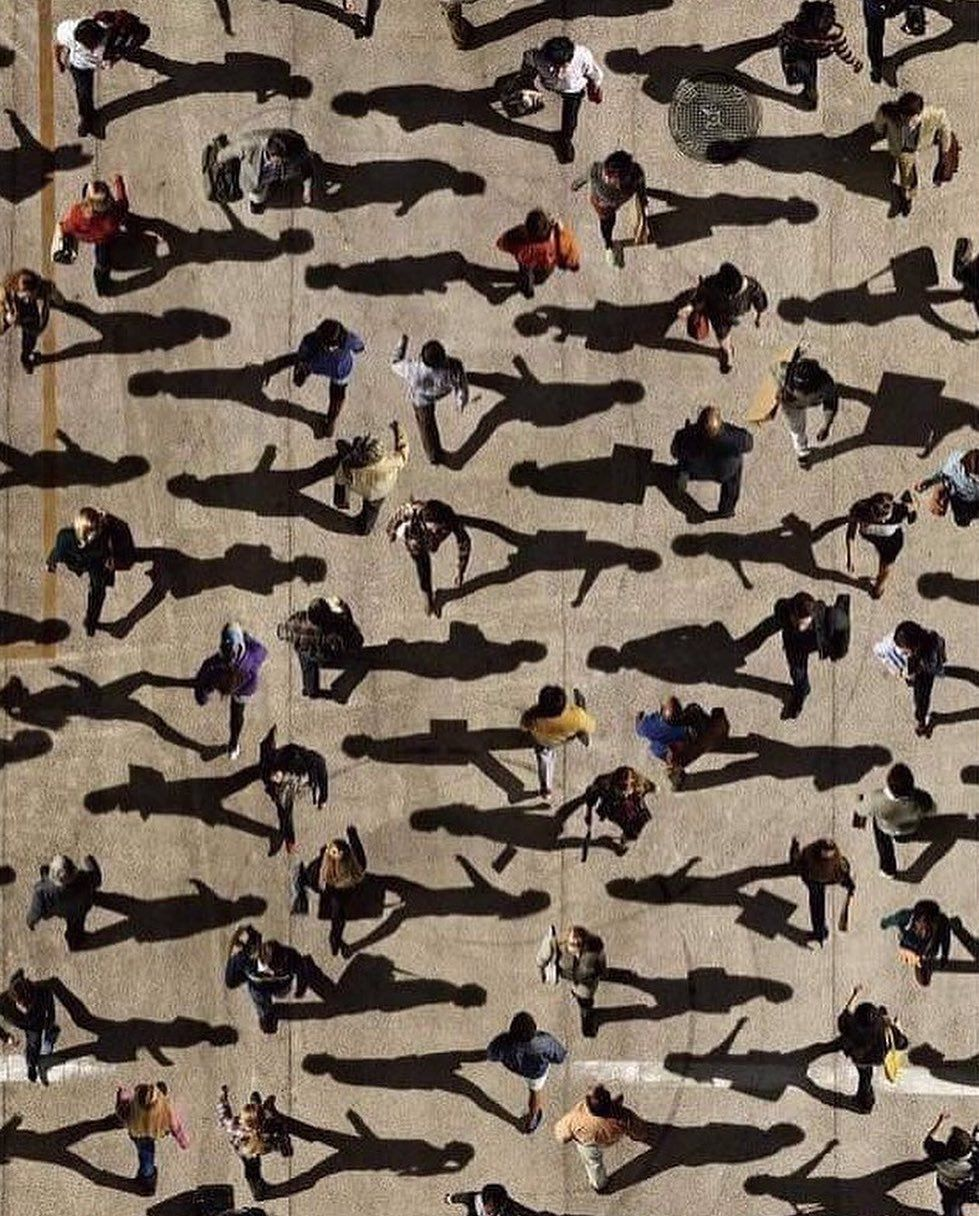
Huge crowd and its shadows
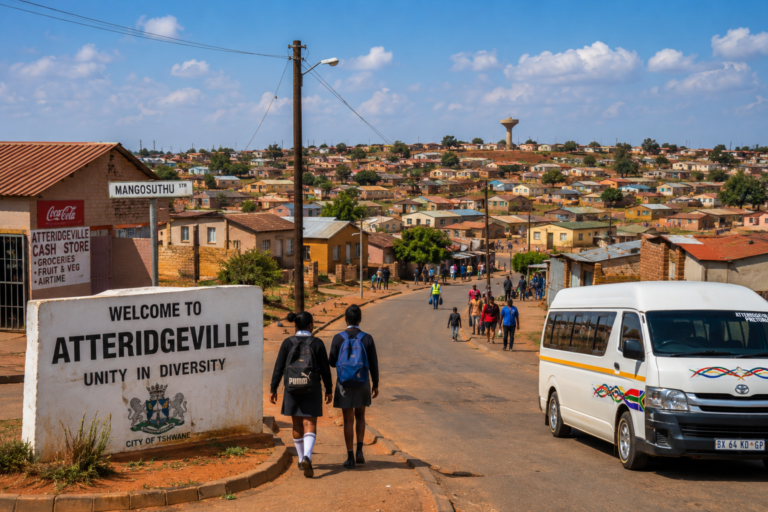
Walkability is a guarantee of equity. It is the confluence of the Right to the City and the Right to Health. Photo: Akiomi Kuroda

To work for the Right to Walk the City is to advocate for health and social justice. Public Health as a multidisciplinary action is fundamental to achieve that goal.

Share

Target audience

Local policy makers; Public Health opinion leaders; Civil community and local collectives

The problem

Discrepancies between urban dwellers with regard to the utilisation and appreciation of the natural and built environment constitute a significant Public Health concern. The walkability of people in situations of inequality, vulnerability or deprivation is limited, as well as their Rights to Health and Rights to the City.

What we did and why

We have reviewed the scientific literature to identify publications that relate to and intersect with the concepts of the Right to the City and the Right to Health. Our work is guided with a focus on equity and social justice, because we believe that Public Health interventions should address differences and provide greater support to those who need it most.The ‘15-minute city’ model exemplifies this approach but remains hindered by barriers such as inadequate infrastructure and social discrimination, limiting walkability for underserved communities.

Our study’s contribution

We perceived the concept of walkability as a potentially modifiable structure. Our study provides the identification of spaces in the city where walkability brings people closer to or further away from resources that promote health and well-being, and this identification is key to understanding how the health and equity approach can be applied to urban interventions.

Impacts for city policy and practice

Local institutions are those that are closest to the community and are best positioned to effect change on the environment. Local government coordinates the different sectors and fosters synergies between different knowledge and interventions, as exemplified by the intersection of health and urban planning. It is only through collective action that we can make progress. It is not possible to recommend healthy lifestyles unless there is an urban environment that allows them to be practised.

Further information

Full research article:

Related posts