


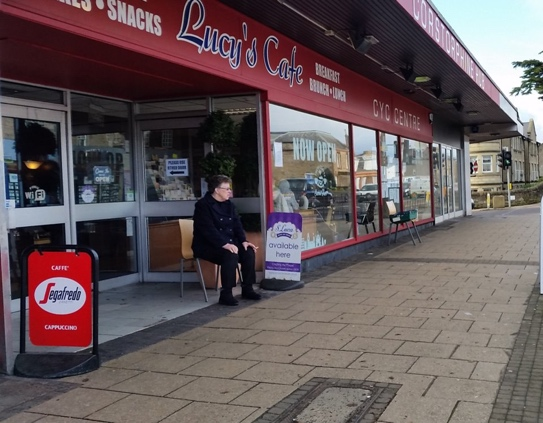

Beyond the Home: This research explores how local high streets enhance older adults’ well-being by fostering social connections, a sense of place, outdoor activity, and independence, highlighting their essential role in ageing-in-place policies and urban health strategies.

Share

Target audience

City centre officers and managers, urban planners and public health professionals.

The problem

As people grow old, many prefer to stay in familiar homes and neighbourhoods to enhance their well-being through local services, known as ‘ageing in place.’ This approach can be cost-effective when utilizing existing infrastructure and is particularly relevant as the population ages. Despite perceptions of decline, in the UK and in many other countries, high streets remain vital hubs f for this purpose, yet previous studies have overlooked how older adults use them to support their everyday lives and well-being.

What we did and why

To understand how the everyday use of local high streets can benefit older people’s well-being, we opted for an in-depth, inductive, place-based investigation using three different local high streets in Edinburgh, Scotland, as case studies. To gain deeper insights into participants’ self-reported well-being in relation to their everyday use of local high streets, three types of interviews were employed as the primary data collection methods: walking interviews, semi-structured interviews, and focus groups.

Our study’s contribution

The research shows that local high streets offer social, spatial, and material resources that enhance older people’s well-being in four key areas: social well-being, sense of place, enjoyment and activity, and a sense of purpose. Participants indicated they would likely relocate to a nearby town centre if their local high street disappeared. This underscores the need to recognise local high streets as essential infrastructure for shaping inclusive ageing well in place policies.

Impacts for city policy and practice

With projections suggesting that nearly one fourth of the population in the UK and many other countries will be over 65 in the coming decades, the research highlights the need for a holistic, place-based perspective on ageing and well-being. The main implications for policies are:

  • Make local high streets or town centres more age-friendly to foster community well-being and support ageing-in-place;
  • Strengthen recent policies that favour local living and walkable neighbourhoods

Further information

Full research article:

[OPEN ACCESS] Ageing in place, local high streets, and well-being by Luca Brunelli, Harry Smith & Ryan Woolrych

Related posts

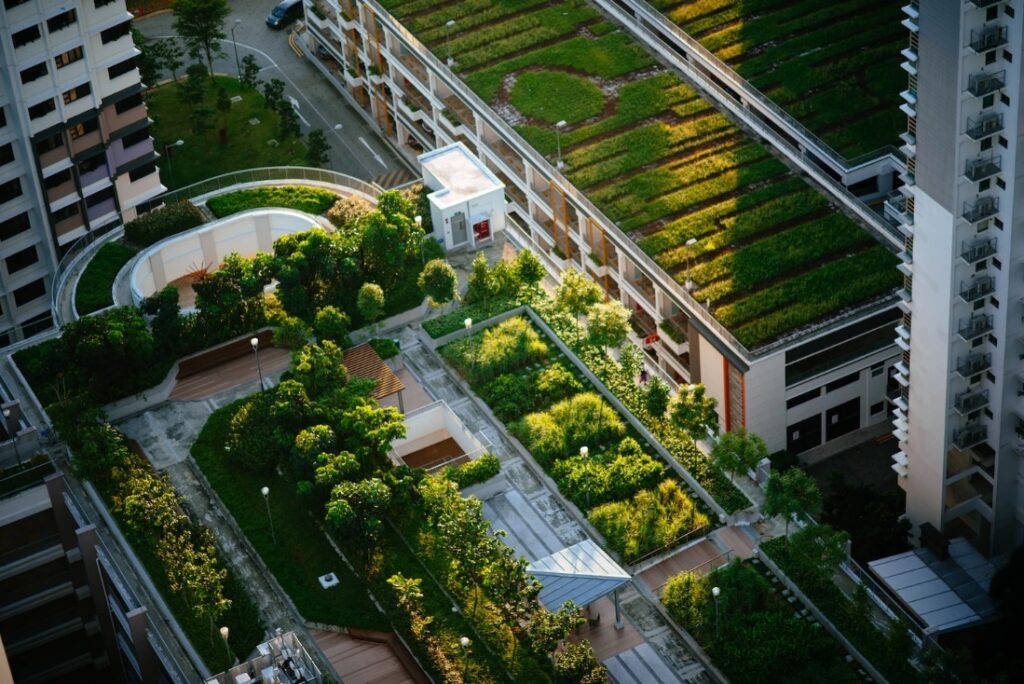
Challenges and paradigms to evaluate the relationship of urban environments with population health

Our study introduces and reviews how the built environment and its relation to population health are assessed in the literature. We did this by identifying methodological shortcomings and research potentials that need to be addressed jointly. Our assessment aims to undertake multiple health issues in an integrated manner, and identify priorities within the city whereby health is a primary goal.
Read More »

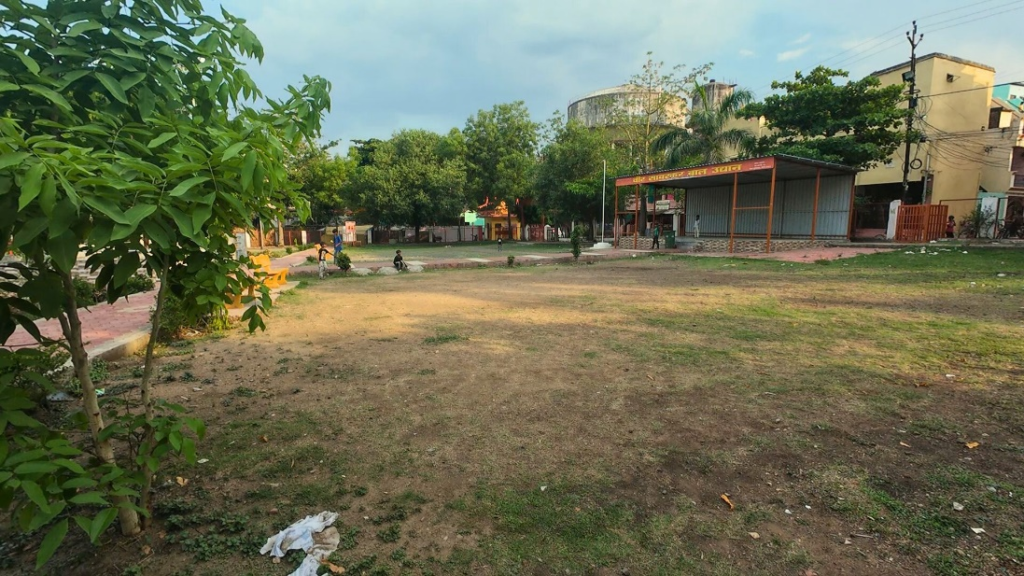
Engagement matters more than distance: Rethinking neighbourhood parks for active childhoods, Bhopal, India

Children’s physical activity and movement increases when they visit nearby parks often and stay longer. However, simply building more parks is not enough. We show how practical design, safety and inclusive programming can turn everyday parks into places where children want to play. Most importantly, measure success by visits and time spent, and not by counting parks and playgrounds!
Read More »