City Know-hows
Public parks shape how people meet, stay, and interact. This study shows how specific physical features of an urban park influence everyday social life, offering practical lessons for designing public spaces that support social interaction, wellbeing, and inclusive urban vitality.
Share
Target audience
Municipal park managers and public space officers; Urban designers and landscape architects working in dense cities; City policy-makers concerned with urban health and social wellbeing
The problem
Many urban parks are well designed visually but fail to support everyday social interaction. Decisions are often driven by aesthetics, maintenance, or safety concerns, rather than how people actually use space. This problem is common in cities worldwide, leading to underused parks and missed opportunities for social connection, mental wellbeing, and community cohesion. Without understanding how physical features shape social life, cities struggle to create public spaces that truly support daily urban life.
What we did and why
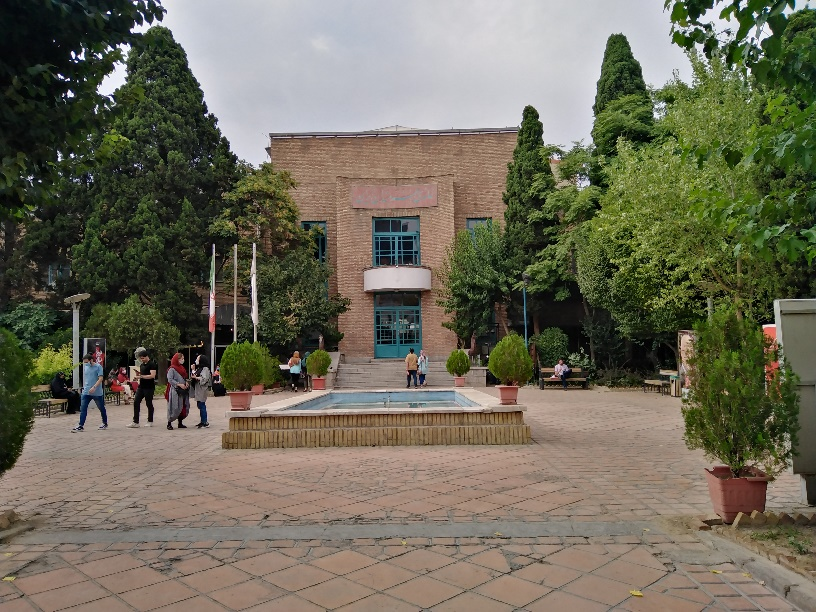
We studied Honarmandan Park in Tehran to understand how physical design influences social life in a real urban setting. We combined on-site observation of people’s behaviour with surveys of park users and spatial analysis. We did this to move beyond abstract design principles and provide evidence-based insights into how seating, pathways, land use, inclusiveness, and safety shape everyday social interactions in public spaces.
Our study’s contribution
This study adds clear, practice-oriented evidence on how social life emerges in public spaces. We show that:
• Inclusive design and accessible layouts strongly increase social interaction
• Seating and urban furniture play a central role in encouraging people to stay and interact
• Mixed land uses near parks extend social activity and length of stay
These findings translate research into concrete design priorities.
Impacts for city policy and practice
This research shows that improving social life in parks does not always require major redevelopment. We recommend:
• Prioritising inclusive seating and human-scale design
• Integrating parks with nearby cultural, recreational, and commercial uses
• Designing for perceived safety through visibility and active edges
These actions can help cities create healthier, more socially vibrant public spaces.
Further information
Full research article:
Related posts

Through a literature review, we summarize key contributing factors of healthy, climate resilient urban environments and how these have been measured. Our study adopts a holistic approach to explore how health and climate change co-benefits could be monitored and achieved in cities. We identify indicators that have been used to measure how policies and built environments support healthy, climate resilient cities. This provides valuable insights for planning, prioritization and monitoring of cities internationally.

Evidence overwhelmingly suggests that the built environment has an impact on people’s health, particularly in terms of noncommunicable diseases such as asthma, diabetes and poor mental health. However, health is rarely prioritised in urban planning decisions at present, and earlier work by this research group has shown that senior decision-makers feel they lack the power to influence planning and policy decisions in order to improve the situation. This intervention area adds to the wider research programme, which is focused primarily on the delivery of quantifiable socio-environmental and health economics valuations. People make decisions not just based on economic valuation, so an understanding of why people make decisions and how those decisions can change is essential. This paper describes the methodology that will be used to develop this intervention. Findings will be published later.

Greenspace use can positively influence subjective wellbeing; but research often focuses on how nature as “part of self” affects this relationship. Instead, we should focus on both urban and natural place-related identities to enhance wellbeing for all greenspace users.