City Know-hows

Contributing factors and indicators of climate resilient and healthy cities

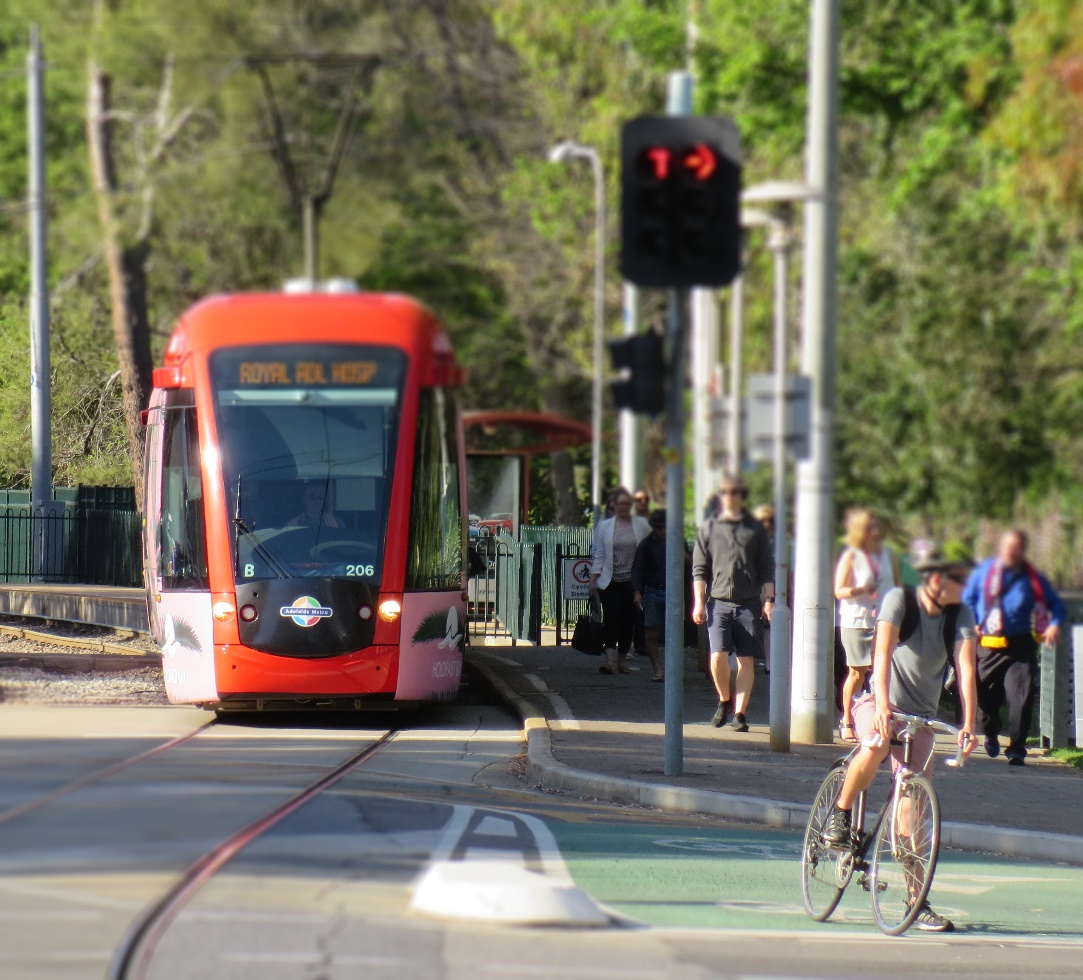
Key priorities for healthy, climate resilient cities are reducing the impacts of climate-related hazards; delivering green space, robust buildings, access to diverse amenities, and low-carbon transport; and policymaking processes that promote urban climate resilience. Image credit: Adelaide Metro Alstom 200 Series tram leaves reserved track, South Terrace. Image: SCHolar44, Public Domain, Wikimedia.

Indicators can inform city planning decisions that contribute to healthy, climate resilient urban environments. We review contributing factors of healthy and climate resilient cities and the diverse range of indicators that exist. We discuss the need to measure and guide adaptation and transformation of cities internationally.

Share

Target audience

Urban policymakers, public health policymakers, civil society

The problem

Health and climate change are interwoven issues that are among the most pressing challenges for cities. City planning needs to focus on enhancing urban resilience in the face of climate change and its health impacts. Indicators can measure how policies and built environments support healthy, climate resilient cities. To inform planning and research, there is a need to review contributing factors and existing indicators of healthy, climate resilient cities.

What we did and why

Through a literature review, we summarize key contributing factors of healthy, climate resilient urban environments and how these have been measured. Our study adopts a holistic approach to explore how health and climate change co-benefits could be monitored and achieved in cities. We identify indicators that have been used to measure how policies and built environments support healthy, climate resilient cities. This provides valuable insights for planning, prioritization and monitoring of cities internationally.

Our study’s contribution

Our study clarifies contributing factors of healthy and climate resilient urban environments, from a holistic viewpoint. It:
• Identifies and categorizes the large number and variety of indicators of healthy, climate resilient cities
• Highlights indicator gaps and measurement considerations
• Contributes to understanding what is needed to guide policy progress towards healthy, climate resilient cities

Impacts for city policy and practice

City planning needs to reduce the health impacts of climate-related hazards:
• Key priorities are delivering green space, robust buildings, access to diverse amenities, and low-carbon transport; and policymaking processes that promote urban climate resilience.
• Indicators can uncover policy gaps and inequalities in access to healthy, climate resilient urban environments, to inform policy and practice.
• Indicators should be selected based on local relevance, data availability and ability to be validly measured at the appropriate scale.

Further information

Full research article:

Determinants and indicators of healthy, climate resilient cities: A scoping review by Atefeh Soleimani Roudi, Carl Higgs, Lucy Gunn, Andrew Butt, Deepti Adlakha, Eugen Resendiz, Ryan Turner and Melanie Lowe

Related posts

Young autistic adults walk like seniors aged 65 and over

Our study shows that young autistic adults and older adults face similar patterns with walking, particularly at night or for leisure activities. These findings highlight a very poor health prospects for autistic adults as they age due to lack of physical and social activity. These findings underscore the need to rethink urban spaces for diverse needs. By identifying these patterns, we provide a foundation for creating urban environments that are more inclusive, accessible, and supportive of sustained physical activity and better health outcomes for autistic individuals as they age.

Read More »

PLAYSmaking – play as a lever for placemaking and pedestrianisation

Intertwining play and placemaking (‘PlaysMaking’) in Cork city has inspired positive changes in the spaces, places and lives of citizens. The barriers of high car dependence and a history of resistance to pedestrianisation policies in the city were overturned by levering play to temporarily pedestrianise areas in the city. Community led PlaysMaking in Cork City has secured the permanent pedestrianisation of public roads, creating inclusive recreational spaces and led to the creation of dedicated public spaces for popup events and playful cultural trails.

Read More »