City Know-hows
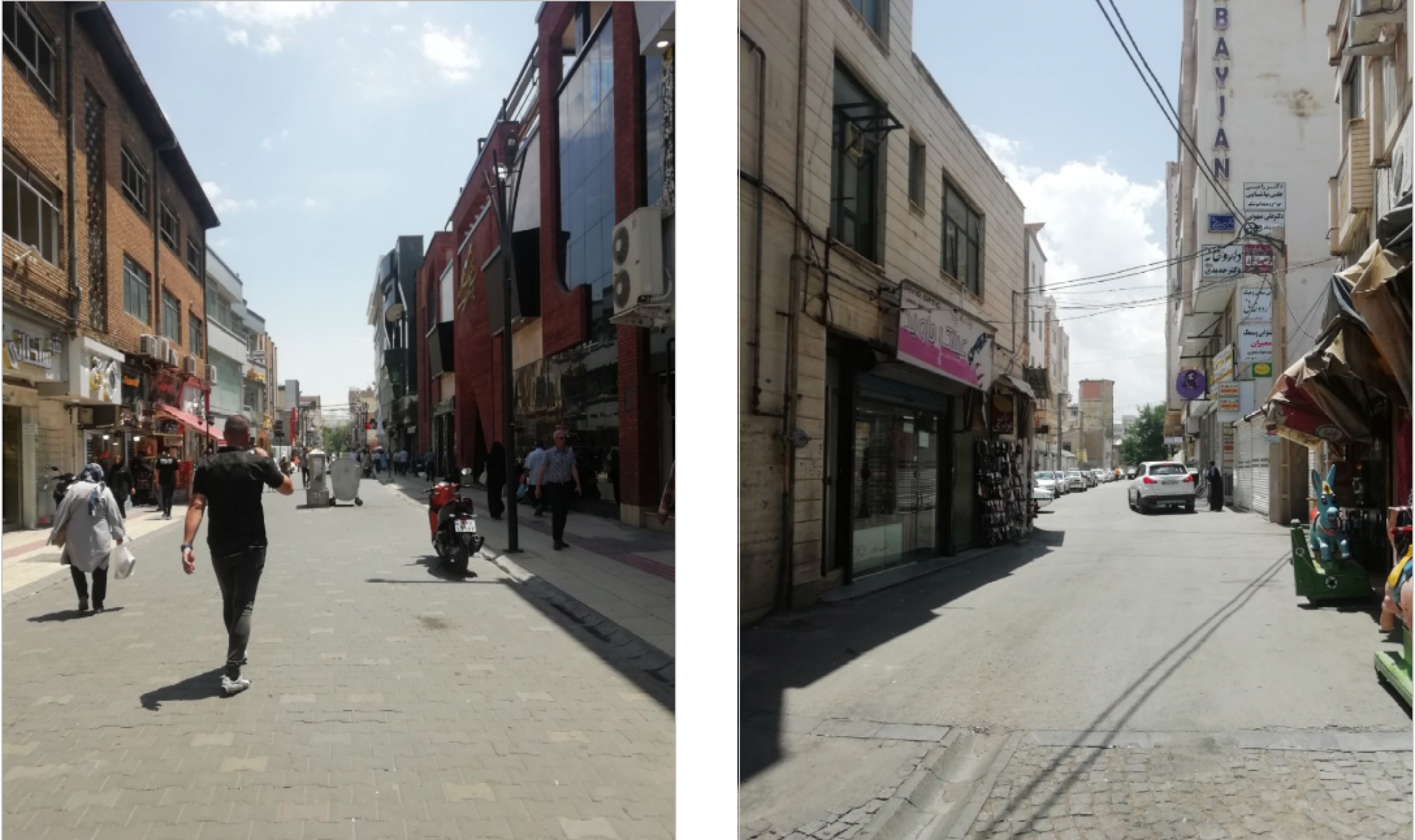
The high concentration of people and activities in cities makes them vulnerable to various stressors such as natural and man-made disasters. In the recent pandemic, the cities are the places where the transmission started. We investigated the impact of social, economic, and environmental indicators on the rate of COVID-19 disease in the neighborhoods of Urmia City, Iran. Our results show that the number of employees, gross residential density, number of elderly people, building density, commercial density and road density have a significant relationship in predicting the epidemic.
Share
Target audience
City managers, city council members and city officers, plus public health paractitioners
The problem
With the increase in the urban population, people’s lives in cities are often affected by various factors such as natural disasters, environmental pollution, and the spread of various diseases. In the coronavirus pandemic, cities are the places where the transmission started. Therefore, in studying the epidemiology of this virus, the urban context should not be ignored. A growing literature also now shows that socio-economic residential living conditions and neighbourhood conditions significantly affect the epidemic.
What we did and why
In this research, Moran’s analysis has been used to find out the extent of dispersion or the presence of motleyers in the localities of Urmia city and the analysis and analysis of clusters and outliers have been used to identify the cluster or no-risk and low-risk areas of the ArcGIS environment. In the following analysis, weighted geographic regression analysis was used to determine and predict the relationships between independent and dependent variables in each of the complications.
Our study’s contribution
According to our investigation, no study had been conducted at the country level to investigate the impact of socio-economic and environmental indicators on the rate of infection at the city level or the spatial hierarchy of divisions within the city. In terms of the scope of a study at the neighbourhood level, this is the first research of its type in Iran.
Impacts for city policy and practice
The Covid-19 pandemic has significantly affected our lives and will continue to affect how we approach planning, design and the built environment in the future. This pandemic has highlighted the importance of safety and health measures in buildings. It is imperative that architects and planners consider the lessons learned from this crisis to create sustainable, safe and healthy built environments for the future.
Further information
Full research article:
Assessing the impact of socio-economic and environmental factors on COVID-19 spread in urban neighborhoods: evidence from Urmia, Iran by Javad Imani Shamloo, Farzad Dargahi & Mohammadreza Ezzati Mehr.
Related posts

We examined the factors that limit and enable the uptake of healthy diets among urban populations with multiple socio-economic vulnerabilities. By exploring the interconnected economic, social and environmental influences, we aimed to generate context-specific evidence that can inform effective and targeted action to support progress towards achieving global nutrition targets in the context of triple burden of malnutrition and increasing concern on high incidences of diet-related diseases in rapidly urbanizing areas.

Community well-being is acknowledged as being ‘greater than the sum of its parts’. Our paper identifies current gaps in Community well-being assessments and recommends participatory mixed methods.

This pioneering study on healthy and sustainable indicators for Jakarta is the first in Indonesia to use the Global Healthy and Sustainable City Indicators framework. As the most populous city in Indonesia and Southeast Asia, Jakarta’s inclusion provides valuable insights into its status compared to 25 international cities. We offer a critical perspective on existing spatial indicators, highlighting the need for precise definitions and careful interpretation within the city’s local context. Additionally, we propose new indicators to help policymakers and public health officials develop more adaptable measures for urban health and sustainability.