


City Know-hows
The quality of life for autistic individuals is closely linked not only to societal attitudes and the level of support provided by local and national authorities but also to the spatial and formal aspects of their surrounding environment. A key question is: How can urban planners, architects, and decision-makers facilitate the creation of autism-friendly cities?
Share
Target audience
All teams working with improving the mental and brain health of children and adolescents, especially the WHO team. Also the WHO team that works with ICF International Classification of Functioning, Disability and Health (ICF) and such teams at UN-Habitat.
The problem
The quality of life for autistic individuals depends not only on social and cultural factors but also on environmental ones.
Currently, our knowledge of the spatial characteristics of the built environment—specifically, the barriers and facilitators related to the participation of autistic individuals in social life—is limited.
What we did and why
Through an interdisciplinary review of existing academic literature on the relationship between autism and urban planning, I aimed to provide a theoretical framework for addressing autism from the perspective of urban planning. I reference the emerging paradigm of neurodiversity and seek to connect it with urban theories of justice. My goal is to highlight the importance of the built environment in realizing the autistic community’s right to the city and their participation in decision-making processes.
Our study’s contribution
Looking at autism through the lens of urban planning theory, I argue that:
• There is a gap in how neurodiversity addresses spatial justice and the rights of the autistic community about the built environment.
• Urban planning theory can provide a useful framework for neurodiversity, supporting the rights of neurodivergent individuals within the city.
Impacts for city policy and practice
This study should be seen as an introduction to a new research domain: autism and the built environment. With support from future empirical research, it has the potential to:
• Introduce new design and planning guidelines for addressing the spatial needs of autistic individuals in planning processes.
• Incorporate participatory methods to involve the autistic community in decision-making processes.
• Inform existing building and planning regulations to better address the needs of autistic individuals.
Further information
Full research article:
Autism in urban planning: in search of a theoretical framework by Mohammad Sarraf
Related posts

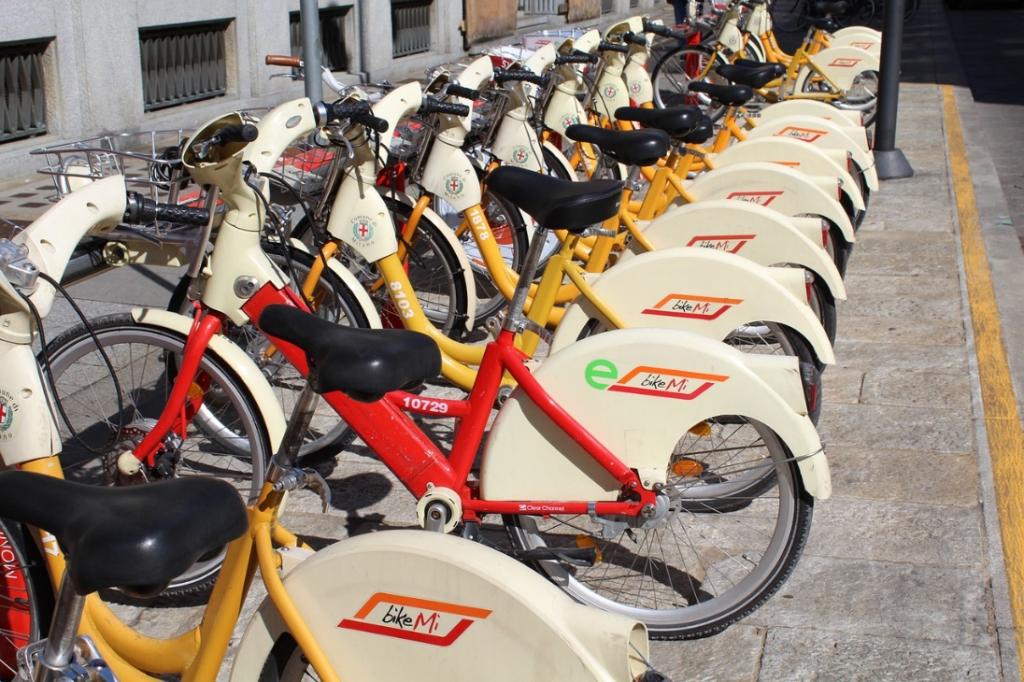
Shared mobility hubs that offer (electric) bikes and cars can be a sustainable solution that enables people to expand their mobility options while protecting cities’ environment by reducing private car use and encouraging cycling. We interviewed residents of a deprived neighbourhood in Utrecht, the Netherlands, to understand their mobility needs and views on a recently implemented shared mobility hub in their neighbourhood, identifying potential obstacles in the process.
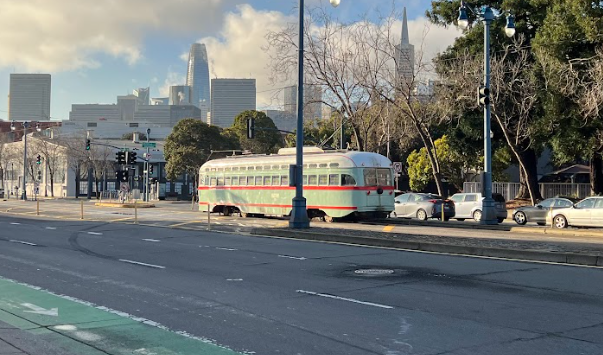
Transportation planners and transit authorities must gain a better understanding of the passenger and ridership experience for those specific demographics who frequently use their services. This understanding can inform future improvements and help transit authorities work towards Universal Design.
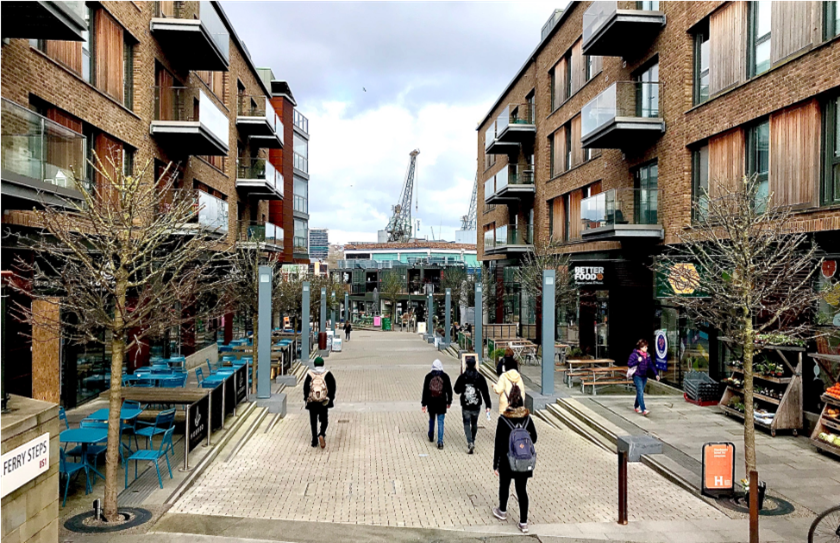
This paper investigates how the project development of Wapping Wharf in Bristol impacted the dwellers’ well-being. It finds that the relationship between urban placemaking and dwellers’ wellbeing is not just constitutive, but also mutually reinforcing.