City Know-hows

Association between perceived quality and access to urban green spaces and loneliness in India

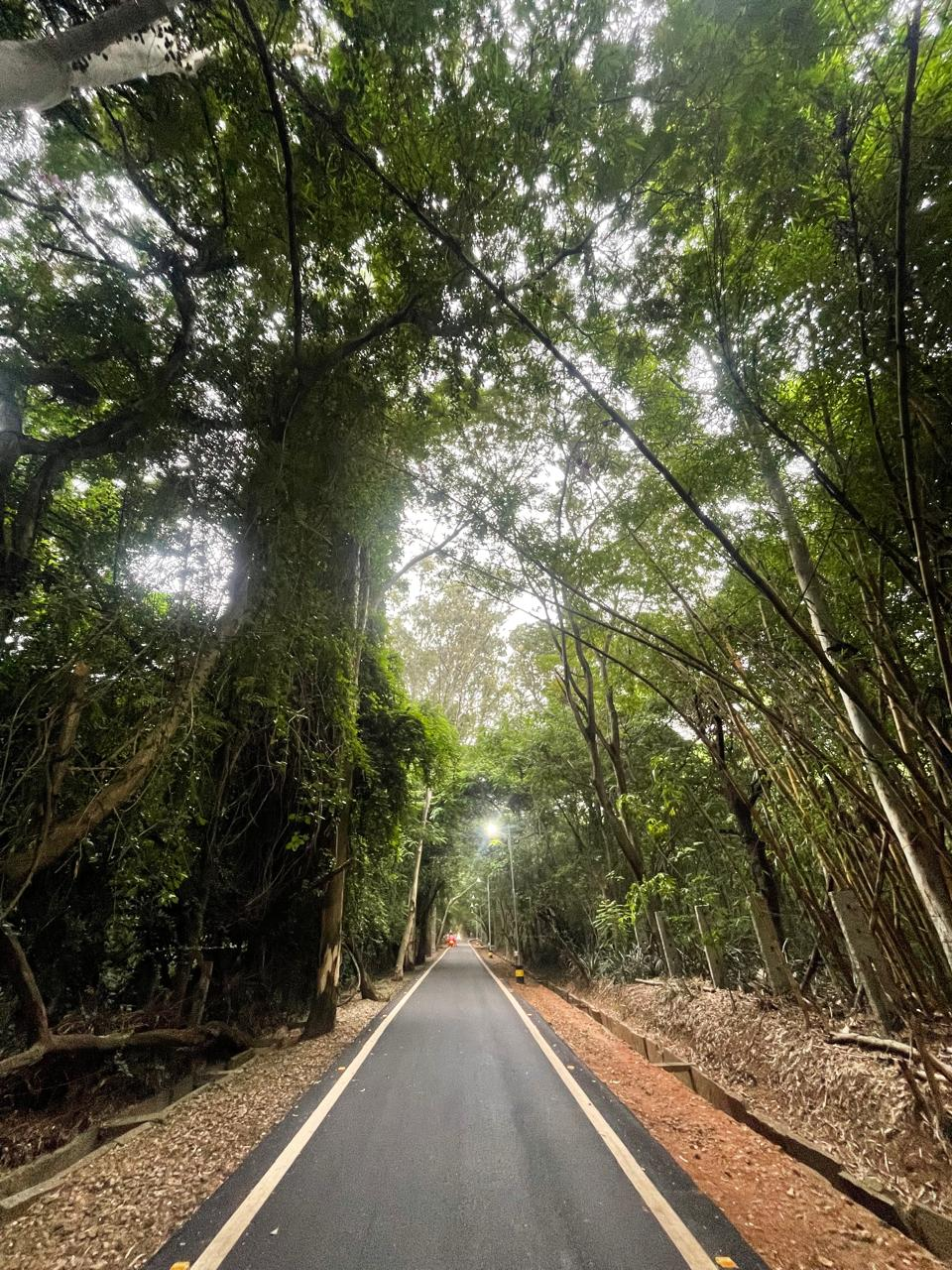
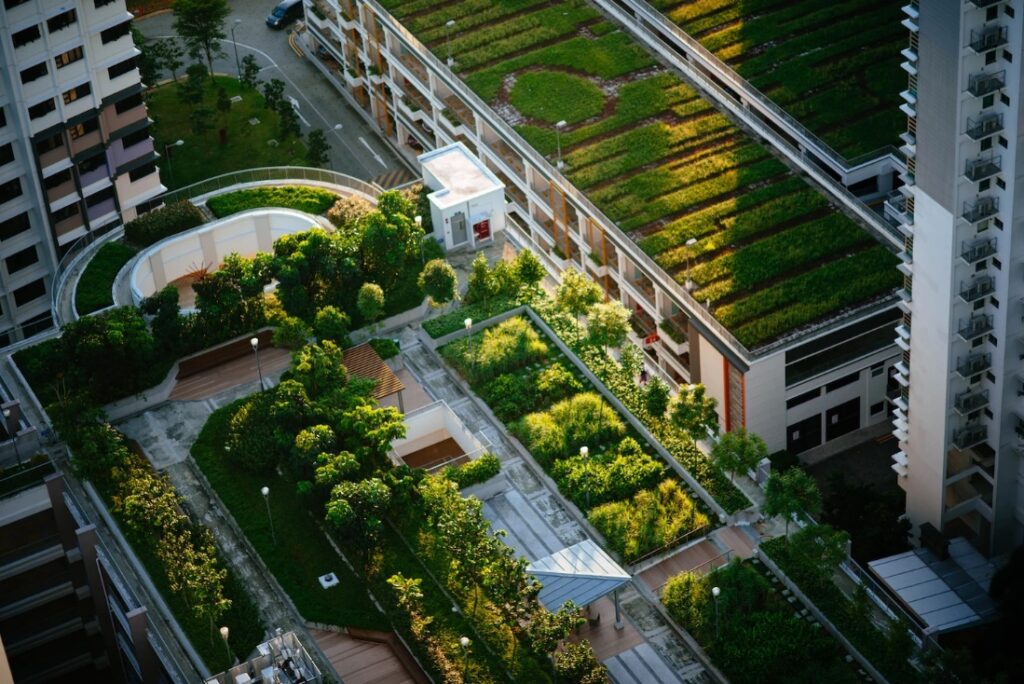
A shaded urban green corridor illustrating how tree canopy and perceived safety shape everyday experiences of accessibility and well-being.

Our study explores how perceptions of urban green space quality and accessibility relate to loneliness in urban India. Findings show that subjective experiences, design features, and feelings of social exclusion shape engagement with green spaces. Inclusive, safe, and emotionally responsive green space design is crucial for reducing loneliness.

Share

Target audience

Urban designers and planners, Architects, Healthcare professionals, Academicians, Sociologists, and policymakers.

The problem

Rapid urbanisation in India has increased access to green spaces in quantitative terms, yet rising levels of loneliness and social isolation persist in urban populations. Green spaces allow chance meetings and support social engagement. A core problem lies in the gap between the physical presence of green spaces and how they are perceived, accessed, and emotionally experienced by users. Poor design quality, safety concerns, limited inclusivity, and unequal accessibility reduce social engagement, particularly for women and younger groups, weakening the potential of green spaces to function as psychosocial support systems.

What we did and why

To address the gap between the provision of green spaces and their psychosocial use, we conducted a cross-sectional survey of 221 urban residents in India. Using a validated loneliness test (the UCLA Loneliness Scale) alongside a structured questionnaire on green space perceptions, we examined how accessibility, design quality, safety, and social opportunities relate to loneliness. This approach was chosen to capture subjective experiences and the reciprocal influences often overlooked in urban planning and public health research.

Our study’s contribution

Important to note: our study advances urban health and planning research by demonstrating that loneliness is shaped more by perceived quality and emotional experience of green spaces than by their physical presence alone. It highlights the reciprocal relationship between social exclusion and spatial perception, identifies specific design features linked to reduced loneliness, and foregrounds gender and age differences in experience. The findings reposition urban green spaces as psychosocial infrastructure, offering actionable insights for inclusive, emotionally responsive, and socially sustainable urban design in Indian cities.

Impacts for city policy and practice

City policies need to move beyond merely increasing green space access and quantity to prioritise quality, safety, and inclusive design.

Urban planning must integrate shaded seating, recreational opportunities, and socially engaging features that encourage regular use, particularly for women and younger populations. Perception-based indicators should be incorporated into planning and evaluation frameworks. Treating green spaces as psychosocial infrastructure can help urban governments address loneliness, support mental well-being, and advance socially sustainable development in rapidly urbanising Indian cities.

Further information

Full research article:

Perceived quality and access to urban green spaces and loneliness in India by Asesh Sarkar, Emily Gemmell, Surya P S, Sayna Anand, Amit Ashok Bhattacharya and Tina Pujara.

Related posts

Compact city, compact playgrounds: How Oslo’s population density and daycare size influence children’s outdoor spaces 

In this study, I measured the size of outdoor playgrounds at all daycare centers in Oslo and looked at how these sizes relate to how densely populated the districts are and how many children are enrolled at each center. Since the 1980s, Oslo has been getting busier and more built-up due to a compact city policy, a trend that is likely to continue as more people move to the city in the coming years. This makes it interesting to investigate how living in a denser city and having bigger daycare centers might affect the space children have to play outside in their daycare.

Read More »