City Know-hows
This paper investigates Elderly Social Wellbeing in developing nations, emphasising neighbourhood-level determinants. Through interdisciplinary literature and interviews in Iran, seven key factors shaping Elderly Social Wellbeing are identified. The study advocates for a context-specific, place-based approach to enhance interventions and policies for age-friendly and inclusive neighbourhoods, addressing gaps in elderly social wellbeing research in developing nations.
Share
Target audience
All those aiming to create age-friendly environments. Such as city planners, urban policymakers, and community development organisations; also city officers responsible for urban planning and policymakers shaping social policies influencing elderly wellbeing and community development organisations.
The problem
Existing research often overlooks the elderly’s perceptions, leading to a gap between scholarly conceptualisations and the actual experiences of the elderly and insufficient understanding and definition of Elderly Social Wellbeing. Studies typically focus on developed nations, leaving the unique contexts and needs of elderly populations in developing countries underexplored. This study addresses these gaps by exploring place-based determinants of Elderly Social Wellbeing and recognising variations in social wellbeing among different elderly age groups enabling tailored interventions and policies in diverse urban settings.
What we did and why
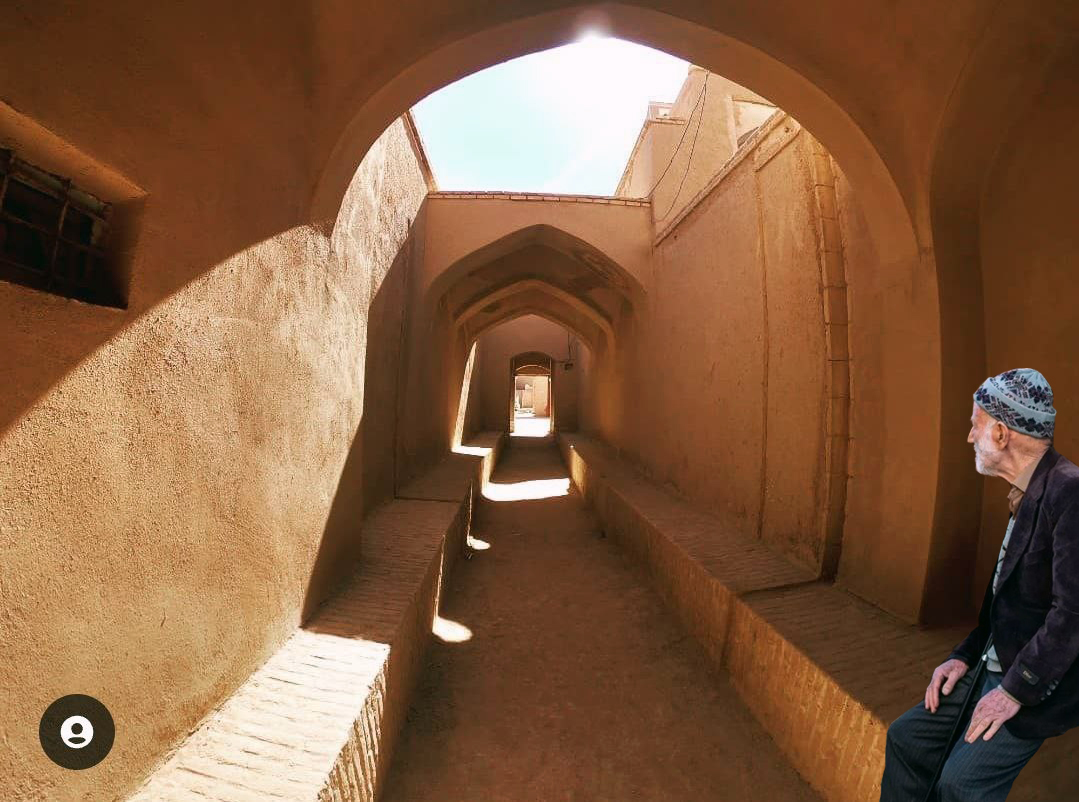
We conducted an in-depth investigation into the neighbourhood-level determinants of Elderly Social Wellbeing in developing nations, focusing on Isfahan, Iran. Recognising the gap in understanding Elderly Social Wellbeing, especially in non-Western contexts, we aimed to capture the lived experiences of elderly residents through semi-structured interviews to facilitate development of targeted, context-sensitive interventions for enhancing Elderly Social Wellbeing. Our objective was to identify and analyse the key factors influencing Elderly Social Wellbeing from the elderly’s viewpoint, acknowledging the role of place-based, cultural, and social nuances.
Our study’s contribution
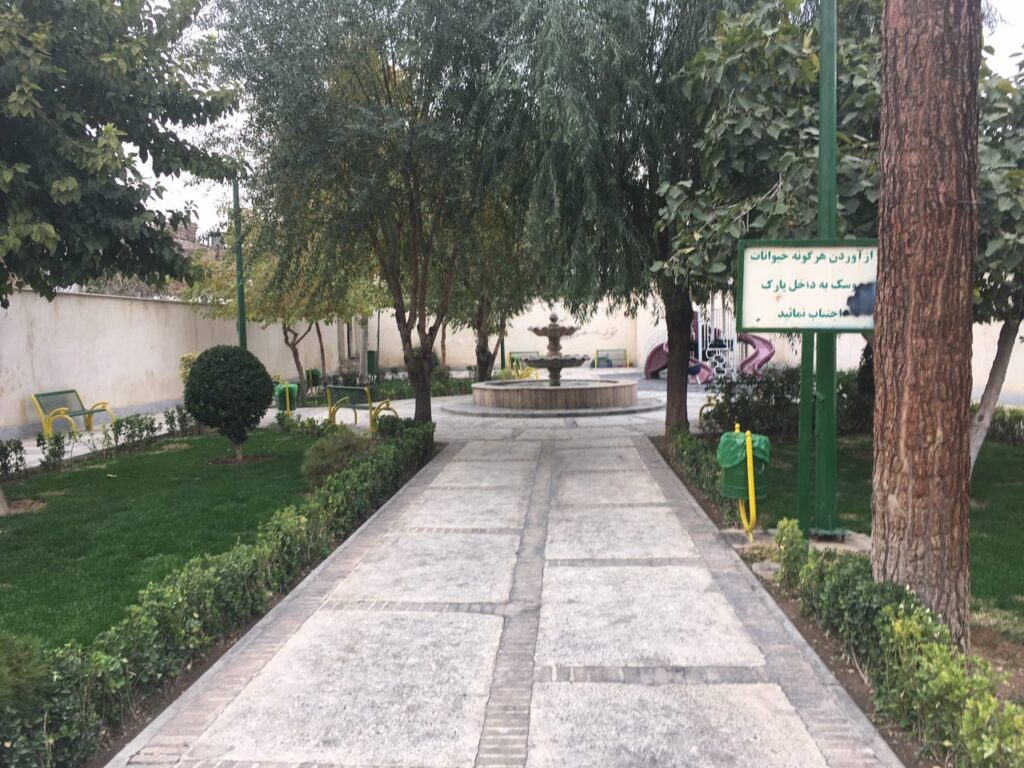
Our study implies crucial recommendations for city policy and practice. We emphasise the prioritisation of social connections through community involvement, the preservation of cultural memories and traditional urban architecture, the maintenance of communal spaces in urban planning, and the need for tailored interventions addressing the distinct needs of various age groups among the elderly. These findings provide valuable insights for urban policymakers to create age-friendly and inclusive environments.
Impacts for city policy and practice
Our research addresses city planners, urban policymakers, and community development organisations, emphasising the relevance for those involved in the wellbeing of elderly citizens in developing nations. Specifically, city officers responsible for urban planning and policymakers shaping social policies; who can benefit from our insights into the nuanced factors influencing Elderly Social Wellbeing at the neighbourhood level. Additionally, community development organisations aiming to create age-friendly environments and support elderly residents and their families can leverage this research to inform tailored interventions and policies for inclusive neighbourhoods.
Further information
Full research article:
[OPEN ACCESS] Enhancing the understanding of social wellbeing among elderly populations in developing nations: a place-based approach by Taimaz Larimian, Negin Sadeghi, Goran Erfani & Falli Palaiologou.
Related posts

The quality of life for autistic individuals is closely linked not only to societal attitudes and the level of support provided by local and national authorities but also to the spatial and formal aspects of their surrounding environment. A key question is: How can urban planners, architects, and decision-makers facilitate the creation of autism-friendly cities?

We ask whether streetscape design can be used to alleviate anxiety. Let’s understand how we can alleviate anxiety of the people on streets through their daily experiences while walking.

To improve health and wellbeing in cities, municipality employees, urban planners, architects, politicians, citizens, NGOs and funders can benefit by using the collective impact model for working effectively together.