City Know-hows
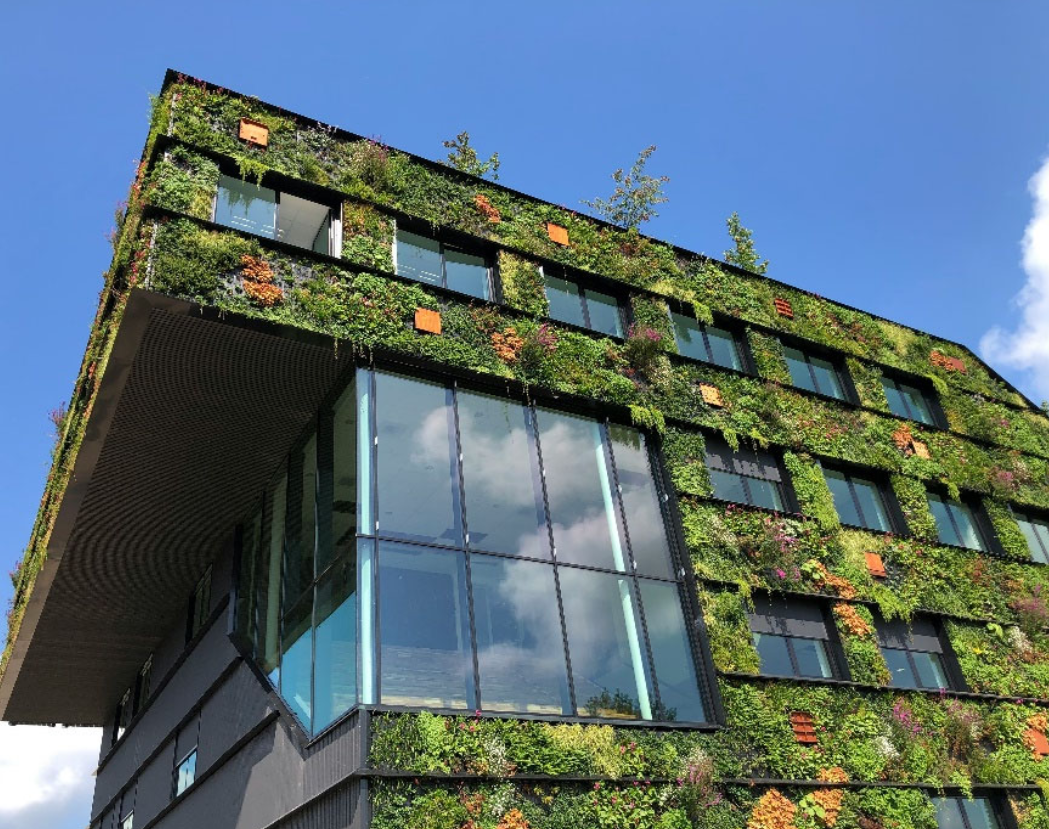
Built environment scholars and practitioners are in a position to help curtail greenhouse gas emissions. To do so, building design must go beyond sustainability and needs to instead aim to become regenerative. This article reviews the existing evidence of regenerative design.
Share
Target audience
Urban leaders and built environment professionals will greatly benefit from this review of existing literature.
The problem
Built environment practitioners need regenerative design practice guidelines that are easy to apply in the field and that are backed by cost objectives and evidence-based research.
What we did and why
We completed a scoping literature review to determine how existing literature addresses regenerative design principles in the context of mixed-use buildings, and to determine what opportunities exist to advance the knowledge and implementation of regenerative design performance areas.
Our study’s contribution
The review underscores the multifaceted nature of regenerative development, emphasizing the interconnectedness between environmental, social, and economic factors. Furthermore, the results highlight the critical role architects and designers have in advancing regenerative design, particularly in building materiality decisions.
Impacts for city policy and practice
Our study maps research literature, identifies gaps, and shapes future inquiries towards establishing easily applicable regenerative design guidance for mixed-use buildings within urban core neighborhoods.
Further information
Full research article:
Impact of regenerative design on resilience within urban core neighborhoods: a scoping literature review by Milena Rodriguez Mendez & Lisa Sundahl Platt
Related posts

New research explores how design team professionals manage developers’ risks to integrate health into new urban development

Housing in disadvantaged areas is more affordable, however, cities would be more equitable if disadvantaged areas were walkable and amenity rich; and existing liveable neighbourhoods had more social housing.

Intertwining play and placemaking (‘PlaysMaking’) in Cork city has inspired positive changes in the spaces, places and lives of citizens. The barriers of high car dependence and a history of resistance to pedestrianisation policies in the city were overturned by levering play to temporarily pedestrianise areas in the city. Community led PlaysMaking in Cork City has secured the permanent pedestrianisation of public roads, creating inclusive recreational spaces and led to the creation of dedicated public spaces for popup events and playful cultural trails.