

City Know-hows

Associations between adolescents’ perceptions, individual and built environment factors regarding active travel to school

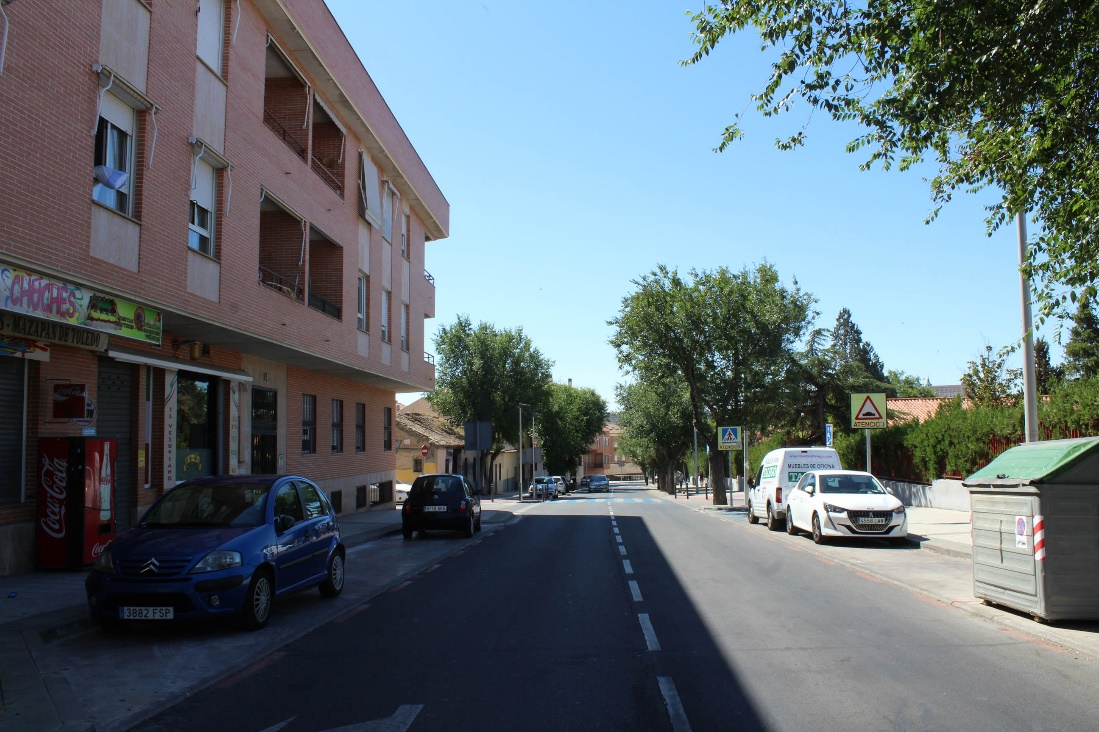
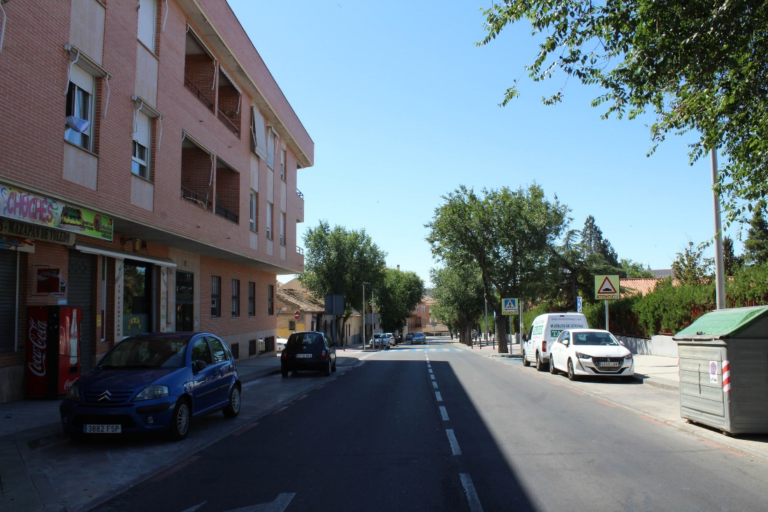
Surroundings of a secondary school in Toledo with potential to improve walkability and bikeability. Photo by authors.

We explored the factors that can encourage walking and cycling to school from the adolescents’ perspective, considering individual and built environment factors as well. Travel mode selection, companionship, desired mobility autonomy, and perceptions of pedestrian and cyclist safety regarding traffic were relevant and interconnected.

Share

Target audience

Policy makers, urban planners and city council public health officers

The problem

We think that urban planners and policy makers usually overlook the children’s and adolescents’ perspectives, as well as their desired mobility rights. Additionally, we believe that parents often do not perceive the roads to be safe and prefer to drive their children to school. We also observed that private schools are usually located outside the municipality, without inter-urban bike lanes, making them accessible only by car or bus for children or adolescents.

What we did and why

We did a survey with 1,180 participants attending secondary schools in Toledo, Spain, to gain insights into their perceptions and preferences towards walking and cycling to school. We also observed socioeconomic factors of their families and the characteristics of the physical environment of the students’ homes and schools, to combine these objective variables with the subjective opinions of the students.

Our study’s contribution

We found that travel mode choices were associated with the urban form of the students’ homes and schools, as well as with the type of school. Most students, especially those from private schools, were driven or travelled by bus. Travel autonomy by bike was generally lower than on foot. These results are key to understanding the actual opinions and perceptions of adolescents towards active travel modes.

Impacts for city policy and practice

To boost physical active behaviour in adolescents, such as walking and cycling, we must understand which factors act as detractors for them, apart from their parents’ perspectives. In our study, Toledo illustrates the potential of infrastructure improvements in middle-size cities, where cycling behaviour is not prevalent.
Future research should consider the demands of children and youth regarding route quality and safety, integrating their perspective into urban planning.

Further information

Full research article:

Related posts

Lessons from a car-free settlement for child-friendly urban mobility

Our study focuses on active and independent mobility of children in a car-free settlement which can be promising for developing policies for a child-friendly urban future and mobility justice for children. The outputs of this study can bridge the gap between vehicle-oriented and non-vehicle-oriented settlements and enable the transfer of good experiences.
Read More »