


City Know-hows

How do communal spaces in apartment complexes encourage social connection?

Target audience

Policy makers, Owners Corporation associations, town planners and developers

The problem

Apartment living can negatively impact residents’ social wellbeing. For instance, apartment residents’ have been found to report a low sense of belonging, lack of social support, social isolation, infrequent social contact with neighbours, and have smaller and weakened social networks. At the same time, apartment complexes often lack well-designed communal spaces to promote social wellbeing. Thus, there is a need for research to inform good practice and policy in the design of apartment communal spaces.

What we did and why

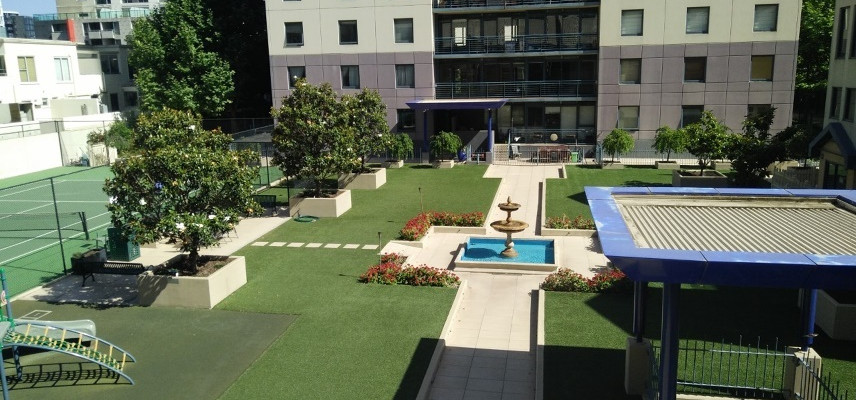
The study was conducted in Melbourne, a city that has only recently embraced apartment living. We explored the types of communal spaces available in Melbourne apartment buildings through an online audit and how these spaces could enable social connectedness through interviews, in one case study apartment complex. This approach enabled us to understand the provision of communal spaces as well as the elements of design that supported or detracted from resident wellbeing.

Our study’s contribution

The study describes the deficits in the provision of communal space in the City of Melbourne and adds to our understanding of the elements of placemaking that support social connectedness through the design of apartment communal spaces. Findings particularly highlighted that there is an interplay between physical design, resident factors, the Owners Corporation and government policy. All need to be considered when designing communal spaces to foster residents’ social wellbeing.

Impacts for city policy and practice

The results of this study have policy implications. Future apartment design guidelines should better support placemaking and social wellbeing through ensuring communal spaces are visible, encourage lingering and support the needs of a diversity of residents. Design guidelines should also acknowledge the role of stakeholders in placemaking, ensuring that Owners Corporations, developers, town planners, and architects are more strongly encouraged to consider ways of fostering community when designing communal spaces

Further information

See website for the Deakin HOME Research Hub which has been established to provide evidence-based, community-tailored housing and social inclusion strategies.

Full research article:

Related posts

Designing cities for mental wellbeing: Lessons from Mahabad’s pandemic experience

This study underscores an urgent need to elevate psychological well-being as a core priority for urban policymaking and development. Embedding human-centred design principles that foster social cohesion, provide restorative respites, and instill a localized sense of place can equip our rapidly urbanizing world with greater mental fortitude. Specific recommendations include promoting walkable, mixed-use neighbourhoods with quality green infrastructure, protecting heritage architecture, and incentivizing vibrant public realms.

Read More »

The urban health crisis: How city living is quietly fueling the world diabetes crisis

We present a novel conceptual framework called the Urban Stress Model, which intentionally crosses disciplinary boundaries. We suggest that the unique physical form of cities contributes to an increased stress burden through the interacting influences of daily urban hazards and social disadvantage. We use New York City as a case example because of its high diabetes rates and its legacy of unequal healthcare in the context of concentrated wealth. Therefore, New York City can provide valuable insights for newly developing urban centers worldwide confronting similar challenges and growing social and health inequality.

Read More »