
A fresh framework for moving health knowledge into urban planning action

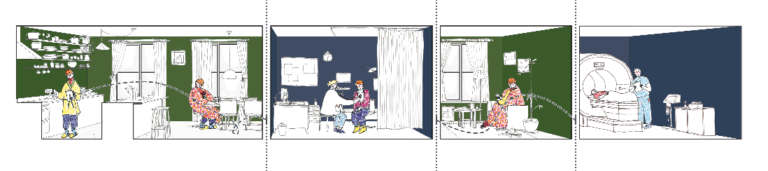
We took a significant step in identifying the existing gaps in knowledge translation for healthy cities and adopting a proactive approach to laying out opportunities for improvement. By developing a visual representation for a renewed conceptual framework, we provide a clear and insightful tool for planners, designers, and policymakers aiming to enhance knowledge translation processes. As a result, this study not only elevates knowledge translation as a field of study for urban professionals but also reinforces its importance in public health.

Read More »

How much research is there on environmental exposures and cognition?

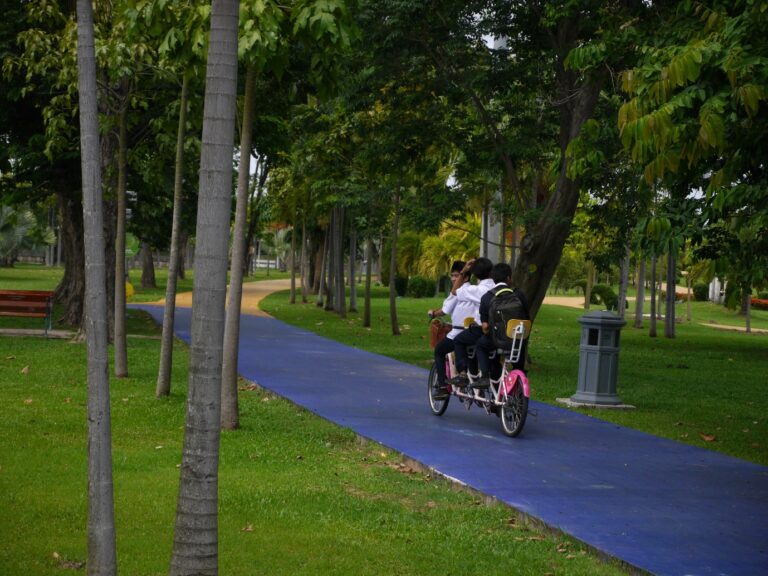
It is known that environmental exposures can have negative effects on brain health. We reviewed all the literature examining the effects of environmental exposures on cognitive health. There is a paucity of research on the effects of urban planning, particularly regarding things like active travel and green space accessibility.

Read More »

How can indicators support planning for healthier and more resilient cities?

As emerging challenges have made urban areas increasingly vulnerable, jeopardizing the health and well-being of their inhabitants, resilience should be seen as a pathway for healthy cities and integrated into urban planning practices. This study shows if and how existing indicator frameworks can identify urban systemic vulnerabilities and priorities for resilience building to provide local authorities with evidence crucial in planning for healthy and resilient cities.

Read More »