Jakarta’s position in global health and sustainable city progress

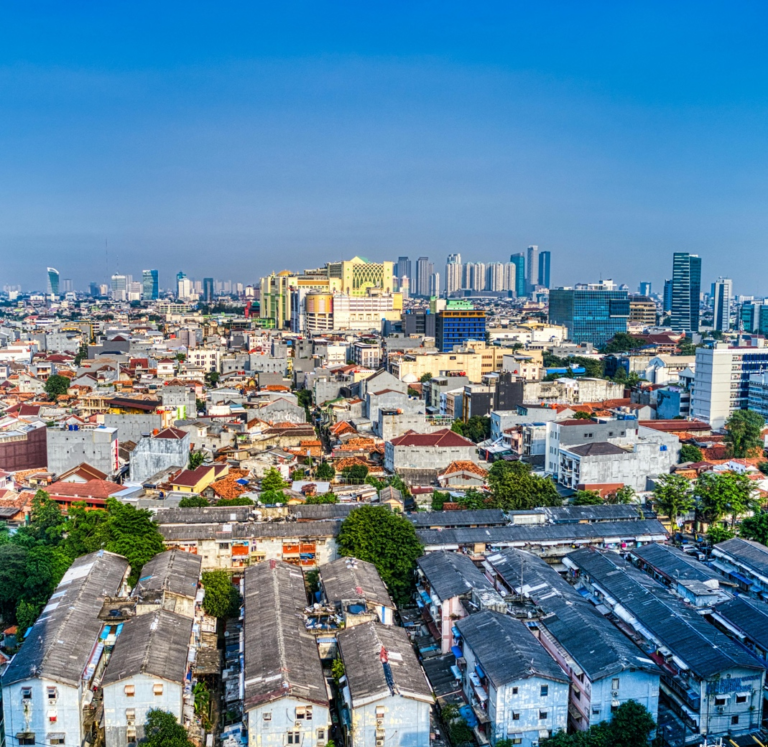
This pioneering study on healthy and sustainable indicators for Jakarta is the first in Indonesia to use the Global Healthy and Sustainable City Indicators framework. As the most populous city in Indonesia and Southeast Asia, Jakarta’s inclusion provides valuable insights into its status compared to 25 international cities. We offer a critical perspective on existing spatial indicators, highlighting the need for precise definitions and careful interpretation within the city’s local context. Additionally, we propose new indicators to help policymakers and public health officials develop more adaptable measures for urban health and sustainability.

Read More »

Aligning active mobility and active aging: Challenges in designing age-friendly cities in Portugal

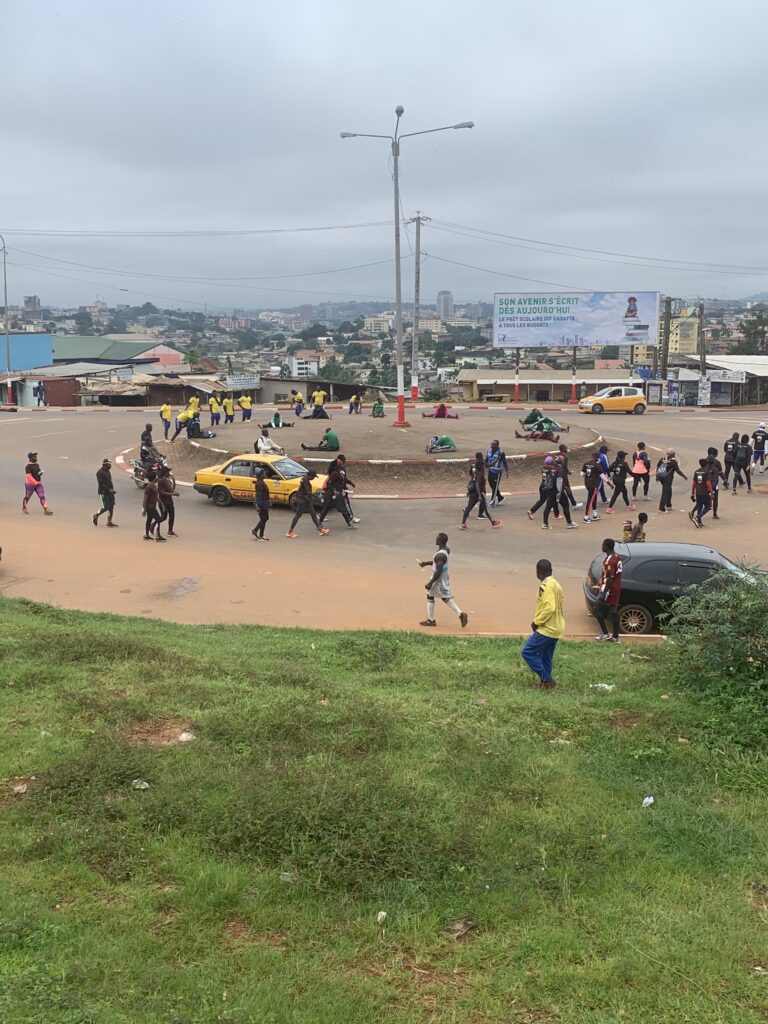
Experts agree that the planning of public space in light of new active mobility trends and policies has not properly taken into account the active aging policies and the context of older people as users, especially in the construction of a barrier-free and safe environment. Only through the alignment of active mobility and active ageing policies is it possible to respond to the needs and to include people of all ages

Read More »

Empowering remote working for women through mobility justice

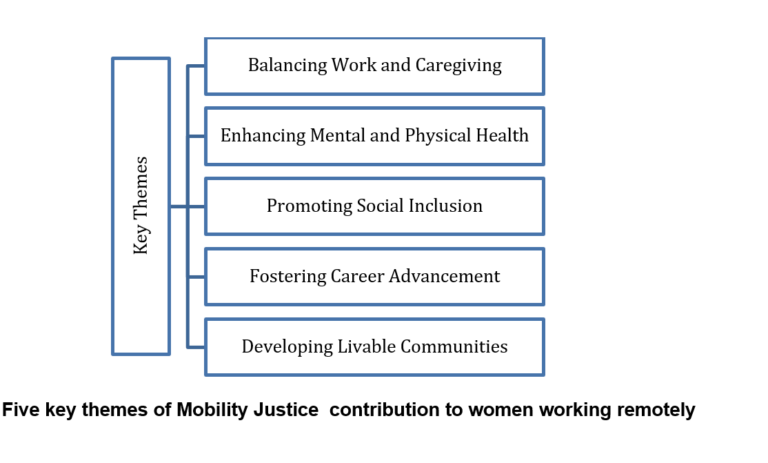
Mobility justice can help ensure that remote-working women have equal access to transportation and urban amenities, supporting their well-being and career advancement. This research explores the unique mobility needs of this growing population and recommends planning strategies to create more inclusive and equitable cities.

Read More »

Walkable Campuses: Tactical urbanism and complete streets in Brazilian knowledge territories

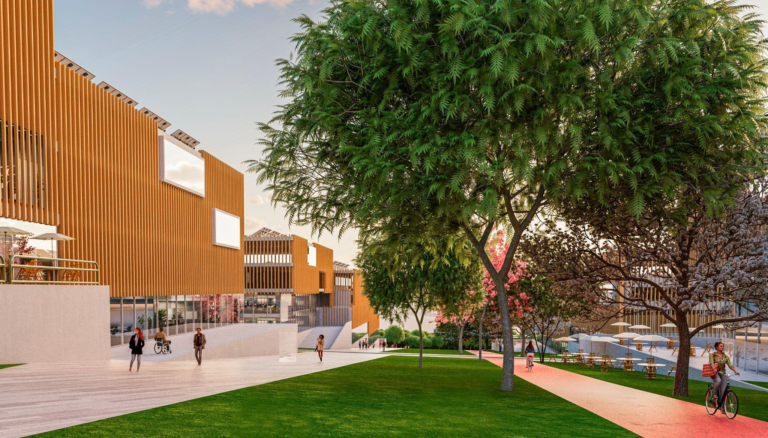
Exploring complete streets implementation in knowledge production territories, this research examines the potentials and limitations of using campuses as living labs, applying tactical urbanism. It identifies the opportunities for enhancing walkability and inclusivity and the challenges, e.g. regulatory issues and limited funding, stressing the role of governance and community engagement.

Read More »

How can third places within walking distances support people’s happiness?

This study aimed to delve into the significance of neighborhood walkability and the accessibility of third places in bolstering community well-being. It scrutinized the influence of walkable designs and convenient access to third places on the emotional well-being of community members. Moreover, the research utilized tweets to gauge the frequency of positive sentiments as a proxy for measuring happiness levels within the community.

Read More »

Manageable slices through the city: walkable space supporting mobile, democratic and dynamic clinics

Mental health needs are poorly understood in the development and management of public space. However, people recovering from health issues such as psychosis need to use city space in their everyday lives. We note that large sites in city centres continue to be made available. As such their redesign and management needs to factor in these broader needs. There will be further benefits to people with conditions such as anxiety, depression and autism.

Read More »

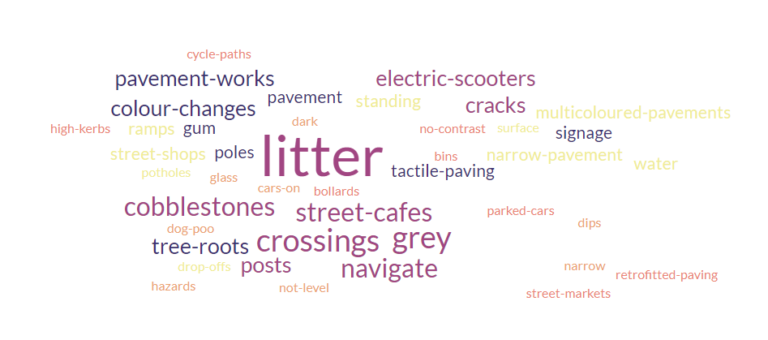
The creation and testing of a street audit to assess barriers in urban streetscapes and areas for people with a visual impairment

This street matrix tool can be used by urban planners and other built professionals both to plan new streetscapes and also to assess exisiting streetscapes for improvement. Currently, in many global contexts, it is good practice to make areas accessible for all and complete street audits. Despite this, without background knowledge of visual impairment and other disabilities, it can be difficult to assess these challenges and provide adequate solutions. This street matrix makes this more accessible and easy to assess these areas.

Read More »