City Know-hows

Creating age-friendly parks: Insights from machine learning analysis on qualitative user data

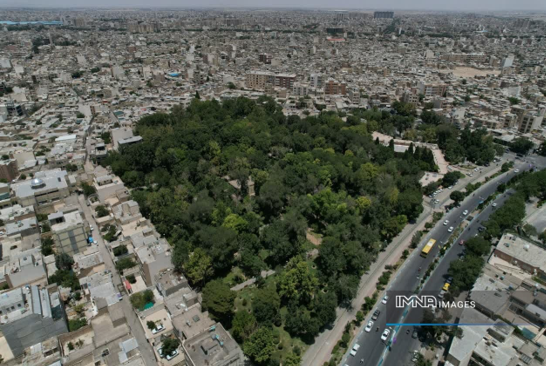
Baghushkhaneh park in Shahed neighborhood, Isfahan, Iran.

Unlock the potential of urban parks to promote healthy ageing. Our research identifies the essential design elements that encourage seniors to stay active, providing a roadmap for cities to create an inclusive and supportive environment.

Share

Target audience

Urban Planners and City Officials: Specifically, those responsible for designing and managing public spaces, parks, and recreation areas in cities. Public Health Professionals: Including epidemiologists, gerontologists, and health promotion specialists. Ageing and Disability Advocacy Groups: Organizations that advocate for the needs of older adults and people with disabilities, such as the World Health Organization’s Age-Friendly Cities initiative, AARP, and disability rights groups.

The problem

As we work with urban planners and public health professionals, we’ve seen firsthand the challenges of creating cities that support healthy ageing. Many parks and public spaces are not designed with seniors in mind, lacking features that encourage physical activity and social interaction. This can lead to isolation, decreased mobility, and poor health outcomes. We want to help cities create age-friendly spaces that promote healthy ageing, but we need to understand what works and what doesn’t.

What we did and why

We investigated the relationship between park characteristics and physical activity in seniors at Baghoshkhaneh Park in Isfahan, Iran. We chose this park because it’s a popular spot for older adults, and I wanted to understand what makes it appealing to them. We surveyed 135 seniors and used machine learning techniques to analyse the data. We wanted to identify the key park features that encourage physical activity and social interaction, and provide actionable insights for urban planners and policymakers to create age-friendly cities.

Our study’s contribution

Our study contributes to the growing body of research on age-friendly cities by providing a nuanced understanding of the relationship between park characteristics and physical activity in seniors. Specifically, our findings highlight the importance of the following park features in promoting physical activity and social interaction among older adults:
• Accessible walking paths and seating areas,
• Availability of exercise equipment and recreational facilities,
• Opportunities for social interaction, such as community gardens and public art installations.

Impacts for city policy and practice

Our study has significant implications for city policy and practice, particularly in the context of urban planning and public health. To create age-friendly cities, we recommend that policymakers consider the following strategies:
• Develop age-friendly park design guidelines that prioritise accessibility and inclusivity,
• Allocate funding for park renovations and new developments that cater to older adults’ needs,
• Implement community-based programs that promote physical activity and social interaction among seniors,
• Foster intergenerational connections through public spaces that appeal to diverse age groups.

Further information

Full research article:

Related posts