

City Know-hows
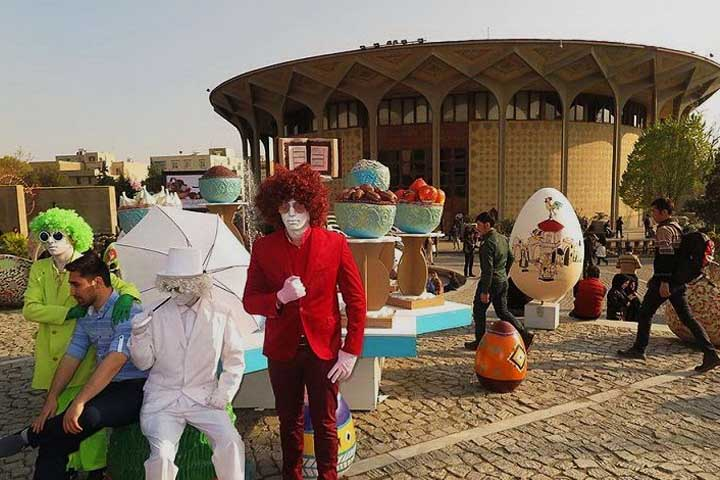
We analysed how urban public spaces in Tehran contribute to citizens’ psychological well-being, through natural elements, environmental features, and public space quality. Looking at seven distinct types of spaces, we discovered that multifunctional areas, river valleys, and parks produce the strongest positive effects on well-being. Importantly, natural elements, safety, environmental comfort, and positive social interactions emerged as the key predictors driving these benefits.
Share
Target audience
Urban planners and city designers, who are experts who design the physical and social structure of cities based on principles of positive psychology, creating urban public spaces that are inclusive, restorative, supportive of mental well-being, and accessible and safe for all residents; Public health policymakers, these officials are responsible for promoting health equity and psychological well-being, with a focus on all citizens; Public Health Professionals, who can promote interventions that support both individuals experiencing distress and broader community well-being.
The problem
Urban environments and public spaces play a crucial role in shaping mental health, life satisfaction, and social connections. Most studies have mainly looked at cities as a general category, but we still don’t fully understand how different kinds of public spaces affect people’s mental well-being. We try to fill that gap by looking at seven types of urban spaces to find out which ones help people feel better mentally.
What we did and why
We examined how seven types of urban public spaces—parks, riverbanks, squares, plazas, mixed-use and pedestrian streets, and multi-functional complexes—affect adults’ psychological well-being, considering their socio-economic status and satisfaction. We explored how natural components, environmental features, and public spaces’ qualities influence key aspects of well-being, offering insights to guide more effective planning and design of public spaces.
Our study’s contribution
Our interdisciplinary study integrates positive and environmental psychology to examine how public urban spaces shape citizens’ psychological well-being. These findings contribute to improving the design of public urban spaces and promoting public mental health by:
• Identifying environmental factors influencing psychological well-being,
• Highlighting the impact of different types of urban spaces on satisfaction and psychological well-being, and
• Providing practical recommendations for urban planners and designers to create healthy urban environments that enhance individuals’ mental health.
Impacts for city policy and practice
Our findings provide practical guidance for urban designers and planners in creating healthy cities that enhance satisfaction with environmental quality and overall citizen well-being. Key recommendations include:
• Urban planners should integrate principles of positive psychology and consider the needs and preferences of space users when designing urban environments.
• Urban designers should develop high-quality spaces that reduce environmental stressors and provide supportive conditions, thereby promoting social interaction, public engagement, and psychological restoration.
Further information
Full research article:
Unravelling the contribution of urban public spaces to psychological well-being: a comprehensive study on seven types of public space in a metropolis by Alireza Bahadori, Ehsan Ranjbar, Mohammad-Reza Pourjafar & Maryam Ahmadiannasab
Related posts

There is a need for specific municipal social service housing programming aimed at helping seniors navigate rental listings, identify suitable rentals, and then secure and retain rental housing.

We explored the influence of third places on walking habits across life stages. Our study demonstrates the unique goal structures for students, workers, and retirees, identifying key patterns shaping walking behavior in cities. Integrating these findings into urban planning can revolutionize cityscapes and promote healthier, more active communities.

Considering the increase in loneliness and isolation, and importance of creating inclusive communities, this study explored older adults’ social participation needs, facilitators and barriers during a downtown revitalization. Findings highlighted the signification of inclusive environments, and importance of accessibility to activities and resources, affordable transportation and housing, and information about participation opportunities.