City Know-hows
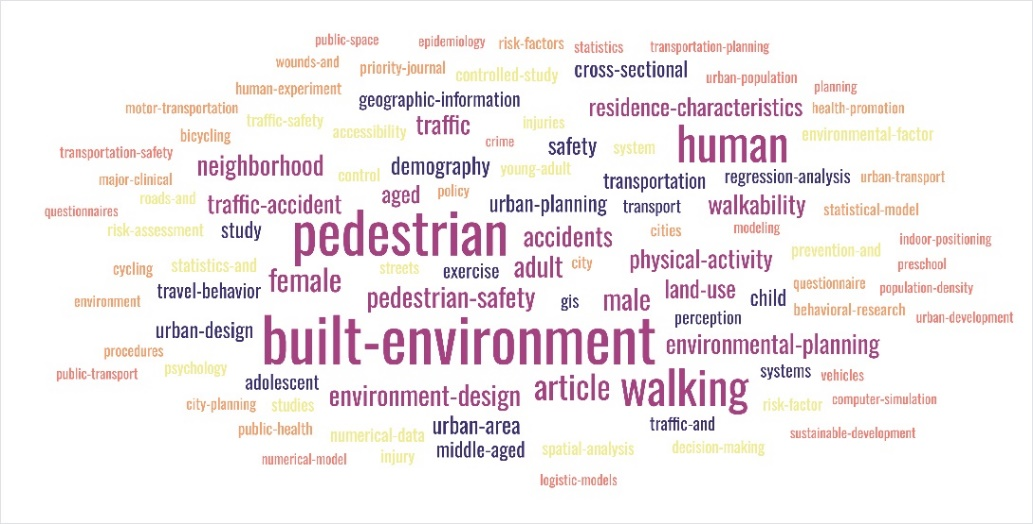
Our study identified predominant research themes, influential publications and authors, and emerging trends in pedestrian-built environment research. A database was used to analyse publications from 1975 to 2024, identifying research gaps and charting future research directions.
Share
Target audience
Industry experts, Policymakers, and Urban Planners.
The problem
There is a lack of extensive research in the field of bibliometric studies, with few comprehensive studies covering the wide range of existing literature. Previous research has mostly focused on particular topics, leading to limited perspectives that do not offer a complete understanding of the field. Moreover, a lot of these studies are old, without current significance and suitability for present academic discussions.
What we did and why
In this research, we offer an in-depth overview of the subject, carefully analyzing recent developments and possible future paths. We explore the top nations leading research in this field, providing a glimpse into their distinct strategies and techniques. By examining current research directions, our goal is to shed light on important areas of interest that could impact future investigations and advancements in the field.
Our study’s contribution
Our research studied the trends and their link with major events and policies related to pedestrians or modes of transportation. By encompassing a wide array of topics, including safety, comfort, socio-demographic factors, and sustainability, we shed light on the current practices, software tools, prevalent themes, and ongoing developments in the field.
Impacts for city policy and practice
Industry experts can use the information on the ‘effectiveness of recent trends’ to inform their designs and select the most appropriate solution for a given location. Urban planners can use the findings to inform their decisions on how to use the recent techniques in the most effective and best possible way. By incorporating this information into their decision-making processes, these professionals can help ensure the long-term sustainability and resilience of the urban environment.
Further information
Full research article:
Bridging the gap: a bibliometric examination of the interdependency between pedestrian activity and built environment by Pooja Kumari and Rabi Narayan Mohanty
Related posts

Heat exposure and greenness influence health and learning outcomes. Satellite images show schools on the Coast have strong heat stress levels and low vegetation; schools in the Andes have the largest solar radiation. Reforming school infrastructure standards is urgently needed in Ecuador. To describe environmental conditions in nine Ecuadorian schools, we analyzed three variables: temperature, vegetation, and solar radiation derived from satellite images that we downloaded from Google Earth Engine. We compared schools across three ecoregions to see differences in range and average values.

How has the pandemic changed how we use and perceive our home? Many were working, eating, living, playing, sleeping, and learning in the same space. Has changed perceptions influenced ideas of the design of our homes, and potential for happiness and wellbeing?

Experts agree that the planning of public space in light of new active mobility trends and policies has not properly taken into account the active aging policies and the context of older people as users, especially in the construction of a barrier-free and safe environment. Only through the alignment of active mobility and active ageing policies is it possible to respond to the needs and to include people of all ages