

City Know-hows
Exploring the connections between green infrastructure and wellbeing in slums shows areas of benefit. It highlights the possibility of positive transformation in the disadvantaged urban areas.
Share
Target audience
Shack Dwellers International-Affiliate Organisations; Public Health Specialists; NGOs focused on Environmental Justice in Low- and Middle-income settings.
The problem
Green infrastructure has been conceived as something for the well-off in cities of developed countries. How green infrastructure contributes to quality of life and wellbeing in slums and informal settlements is largely unknown.
What we did and why
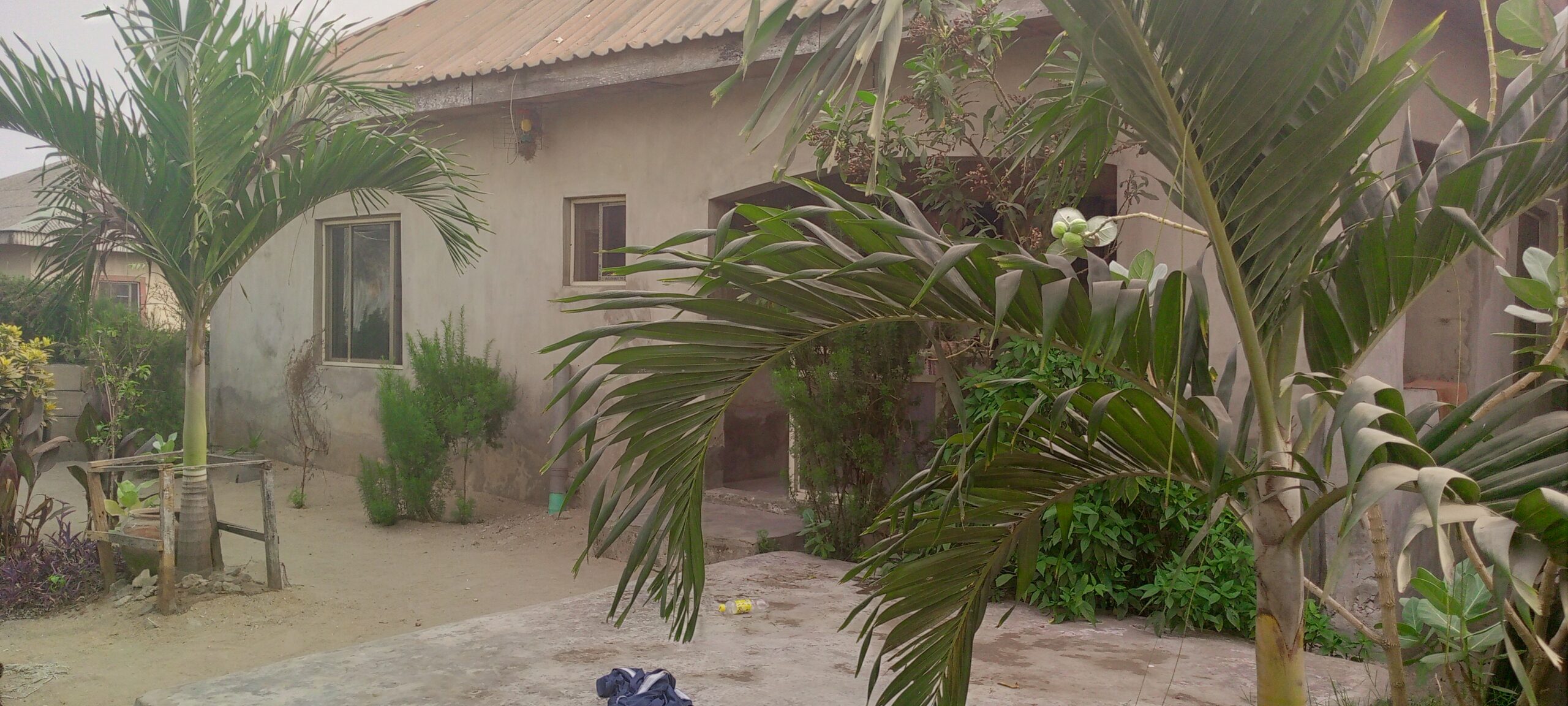
A survey of the residents (sample size = 455) within a slum community (Ikorodu-Ajegunle) in Lagos, Nigeria. The survey was preceded by stakeholder forum where actors from health, urbanism, environmental sectors discussed the links and made inputs to the research instrument used for data collection.
Our study’s contribution
We provide evidence on green infrastructure availability in the case slum neighbourhoods. Our findings:
• Affirm the positive link between green spaces and mental health.
• Show possible links between some green infrastructure features and some communicable and non-communicable diseases.
Overall, the study contributes to knowledge on human-nature interactions and their health implication among low-income urban residents in context of developing countries.
Impacts for city policy and practice
We urge that urban greening programmes must not leave out slum neighbourhoods. Attention needs to be guided to exploiting health benefits from green infrastructure. Improved awareness is needed to reduce the detrimental aspects of certain green infrastructure components.
Further support can be found at:
The Rise Programme: Good for experimental cases and a network for scholarly support.
Stockholm Environment Institute, Drylands publications: Good for case studies in Africa.
Further information
Full research article:
Green infrastructure and well-being nexus within slums: a Lagos case by Olumuyiwa Bayode Adegun, Oyindamola Saidat Olanrewaju, Peter Elias, and Olawale Oreoluwa Olusoga.
Related posts

Discover how cities can build resilience against future health crises. Our study synthesizes key lessons from the COVID-19 pandemic to create healthier, more sustainable urban environments.

This study explores how urban playground design can either segregate or integrate children within the broader city fabric. By comparing Venice and Auckland, we illustrate how playgrounds in Venice encourage unstructured exploration, while those in Auckland limit engagement to isolated, structured zones. We propose strategies for urban design that foster inclusive and dynamic public spaces for children.

Let’s make our cities health-supporting settings! Hungarian members of the WHO European Healthy Cities Network have developed a city health planning methodology based on two decades of fieldwork. It offers a solution for health experts and decision-makers to bridge the gap between local health needs and challenges in implementing community health initiatives.