
City Know-hows
This study explores how urban playground design can either segregate or integrate children within the broader city fabric. By comparing Venice and Auckland, we illustrate how playgrounds in Venice encourage unstructured exploration, while those in Auckland limit engagement to isolated, structured zones. We propose strategies for urban design that foster inclusive and dynamic public spaces for children.
Share
Target audience
Architects, urban planners, and designers; Policymakers and decision-makers; Advocacy groups for child-friendly cities
The problem
Urban playgrounds are often designed to overemphasise safety, inadvertently creating spatial segregation. This limits children’s opportunities for exploration, temporary appropriation of spaces, and engagement with the socio-cultural dynamics of the city.
What we did and why
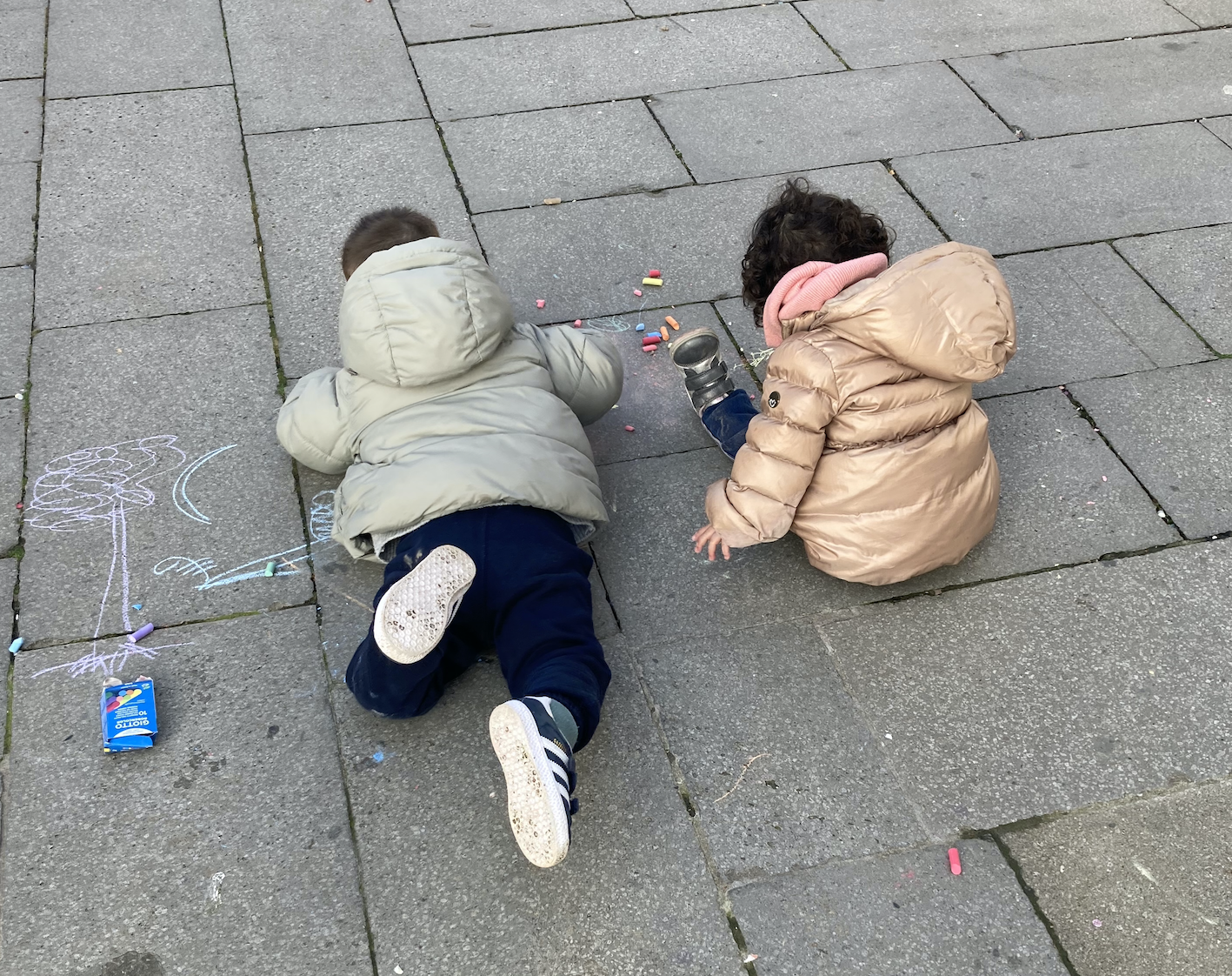
In our research, we compared playgrounds and public spaces in two distinct urban contexts,Venice and Auckland, to understand how design affects children’s interactions with their environments. Using the concept of temporary appropriation, the study highlights the importance of unstructured spaces in fostering children’s social and cognitive development.
Our study’s contribution
The findings advocate for hybrid playground designs that balance safety with exploration.
Impacts for city policy and practice
Based on our study, we recommend that cities need to:
Further information
Full research article:
 From segregation to inclusion: children’s engagement in urban public spaces by Jose Antonio Lara-Hernandez
Related posts

Discover how neuroscientific methods reveal the impact of urban environments on mental well-being. Our study provides insights to help city planners design spaces that enhance mood and cognitive health, making cities better for everyone.

Integrating green spaces into urban planning is crucial for public health. This framework guides cities in evaluating and optimizing their green space strategies to promote health and sustainability, aligning with WHO’s Healthy Cities initiative.

Our study sheds light on the evolving dynamics of the Greater Cairo Region, adding depth to the understanding of whether gated communities act as true remedies or reflections of concrete houses. By incorporating a model based on critical factors for mental health, we offer insights into the nuanced dimensions of well-being in the context of urban development. This research contributes to a more comprehensive understanding of the complex interplay between city structure and residents’ overall well-being.