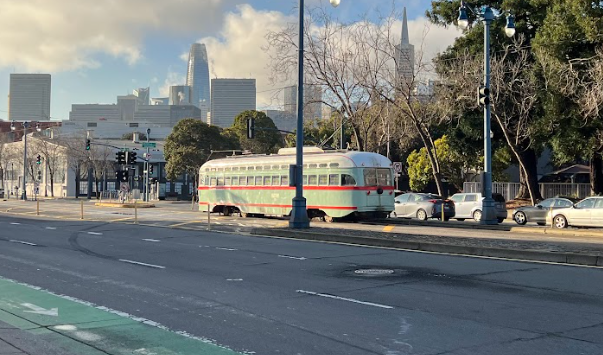



Picture this: a bustling city filled with high-rise buildings, crowded streets, and endless noise. Amidst this chaos, there are pockets of serenity—places that seem to radiate happiness and contentment. What makes these spaces different? What factors contribute to the happiness of citizens in urban environments? This is an important question for citizens.

Share

Target audience

Policymakers and decision-makers at the city, regional, and national levels; Urban planners and designers; Public health professionals; Community leaders and activists and local communities.

The problem

Urban spaces can significantly influence our happiness and well-being. But unfortunately, we don’t always do a good job of designing public spaces with people’s happiness in mind. This is why we need to do more research on how different aspects of urban spaces affect people’s happiness. This research will help us to create cities that are not only beautiful and functional, but also places where people can be happy.

What we did and why

Recognizing the profound impact of urban environments on citizen happiness, we conducted a review across various fields related to urban environments, with the primary objective of identifying the key factors influencing the happiness of citizens in urban spaces. The review involved a comprehensive analysis of existing literature. The findings are aimed at providing policymakers and urban planners with insights into the key factors impacting citizen happiness in urban public spaces.

Our study’s contribution

Our work
• provides a new framework for categorizing the factors that influence citizen happiness in public open spaces
• provides valuable insights into this topic and can be used to inform decision-making processes
• Informs city planners and can empower policymakers to prioritize the creation of public spaces that promote citizen happiness.

Impacts for city policy and practice

When designing and managing public space, decision-makers and designers should:
• involve citizens in the process,
• consider all of the factors that contribute to citizen happiness,
• use evidence-based approaches to inform their decisions,
• monitor and evaluate the impact of public spaces on citizen happiness

Further information

Full research article:

Related posts

Understanding the influence of local politicians on healthy local planning policy

Understanding of the influence of local political actors helps to highlight where their influence is limited, particularly by national-level housing policy, which in the UK is focused on housing numbers, rather than quality of new homes, as well as financial viability and public opinion. Understanding this can help to build trust in the political processes of decision-making and inform interventions for healthier place-making.

Read More »

Shared mobility as a mean to tackle transport poverty in deprived neighbourhoods

Shared mobility hubs that offer (electric) bikes and cars can be a sustainable solution that enables people to expand their mobility options while protecting cities’ environment by reducing private car use and encouraging cycling. We interviewed residents of a deprived neighbourhood in Utrecht, the Netherlands, to understand their mobility needs and views on a recently implemented shared mobility hub in their neighbourhood, identifying potential obstacles in the process.

Read More »

Urban biodiversity helps with mental well-being, but we need to take more notice of it

As urbanisation continues globally, the interest in urban green space as a provider/supporter of mental well-being is still growing. The question has largely moved on from “Will a walk in the park help with mental well-being?” to “Will a walk in any park do?” Previous research suggested that urban green spaces with rich fauna and flora (i.e. rich biodiversity) improved mental well-being. However, the experimental evidence remains limited.

Read More »