
City Know-hows
Neighborhood walkability and third places can play crucial roles in community well-being. Third places can enhance community-wide psychological well-being by helping community members to develop social ties, place attachment, and sense of community. Also, walkable neighborhood design can facilitate community members’ easy access to third places. Therefore, this study examined how third places and walkable design affect community-wide happiness.
Share
Target audience
City planners. Urban designers. Scholars researching community design for community well-being and health.
The problem
The design of a neighborhood closely correlates with the health and well-being of its residents.
In sociology, a ‘third place’ refers to social surroundings that are separate from the two usual social environments of home (“first place”) and workplace (“second place”). Third places and walkable designs are particularly significant factors for fostering community-wide welfare. Nevertheless, empirical studies are necessary to substantiate this assertion and provide evidence for the impact of neighborhood design on the overall well-being of communities.
What we did and why
This study aimed to delve into the significance of neighborhood walkability and the accessibility of third places in bolstering community well-being. It scrutinized the influence of walkable designs and convenient access to third places on the emotional well-being of community members. Moreover, the research utilized tweets to gauge the frequency of positive sentiments as a proxy for measuring happiness levels within the community.
Our study’s contribution
Social media data remains underutilized in urban planning and policy research. Moreover, empirical research supporting the multifaceted benefits of neighborhood walkability and third places remains scarce. This study utilized tweets and discovered a correlation: as neighborhood walkability and the presence of third places increase, the frequency of positive tweets also rises.
Impacts for city policy and practice
The presence of third places and walkable street designs, facilitating easy access to these places, is crucial for enhancing community happiness through their everyday use. Addressing neighborhood violence is essential to maximize the benefits of neighborhood designs promoting walking behavior and access to third places.
Further information
Full research article:
Related posts

Through field observations, surveys with the residents, and interviews with decision-maker, we identified key variables that define food access in rural areas in Jordan, mapped access to food services according to the identified variable. and assessed food access in relation to land use regulations. Our work investigated frameworks governing the allocation of food service establishment locations, spatial requirements, integration into city masterplans, equitable distribution of food service types, and pertinent legislative frameworks.
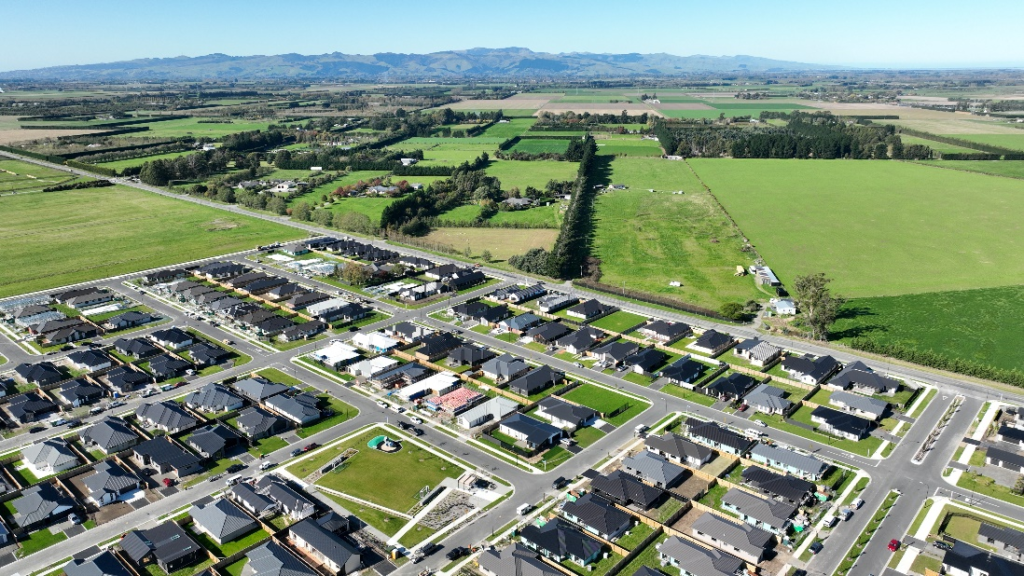
As the global urban population grows, food production and housing are currently ‘competing’ with each other for land on the edges of cities. Both essential urban components, this research supports town planning and urban design professionals to explore alternative peri-urban land use typologies, where food production and housing co-exist for greater urban health and resilience.
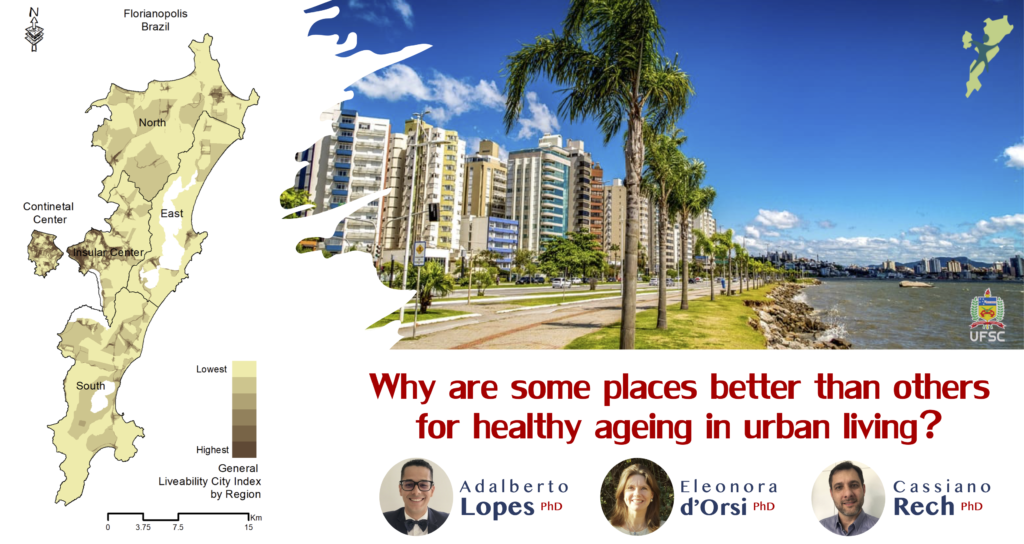
Urban health is a complex system that involves several indicators acting together, there is no single solution to the health-related issues in cities. We wanted to promote healthy ageing in urban living. Our strategy was to take people’s needs and demands into account, when evaluating, monitoring and proposing feasible changes in built, natural and social environments.