City Know-hows
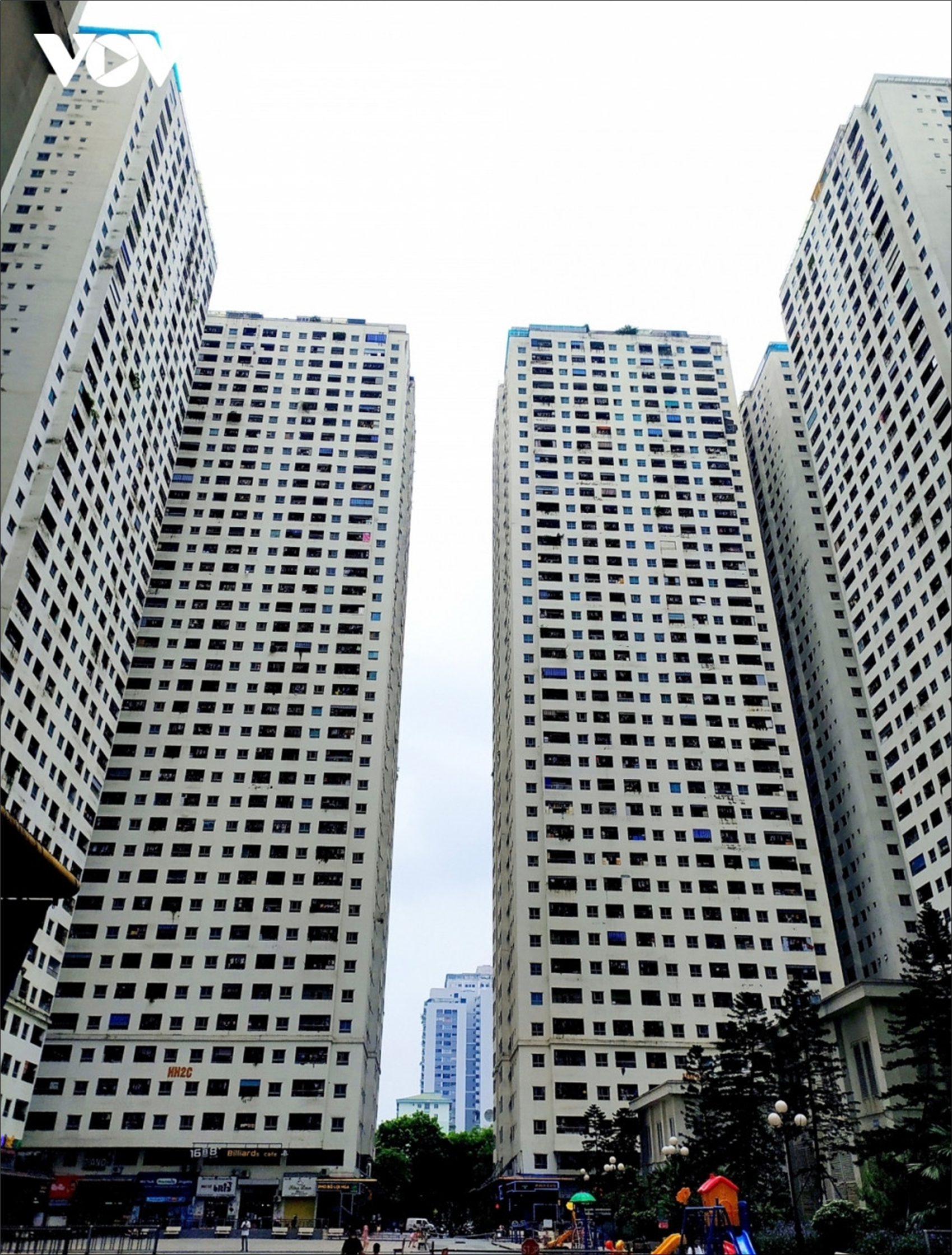
This study aims to contribute insights into the way the layout of communal spaces in high-rise buildings stimulates social interaction among residents. Understanding people’s use of communal spaces will help identify design considerations necessary for the development of high-rise apartments that support social interaction.
Share
Target audience
Researchers and architects, developers, and policy-makers
The problem
High-rise apartment buildings are increasingly popular in large cities, however, urban land availability for outdoor communal spaces is limited. Creating communal spaces for high population density is a challenging task. Past research indicates the importance of the immediate environment in stimulating social interaction and the spatial organization for social activities can play an important role. One may ask whether the design of communal spaces within high-rise buildings can stimulate social interaction among residents.
What we did and why
We conducted semi-structured interviews with residents in four high-rise apartment buildings in Hanoi. People were asked about the types of social interactions they have with neighbors, where the interactions took place, and how the spaces affect and shape their interactions. We collected drawings, project reports, photos, and observation notes to investigate the layout of typical and ground floorplans. Space syntax and thematic analysis were used to analyze the collected data from the interviews and the floorplans, respectively.
Our study’s contribution
This study suggests several spatial aspects of the layout of communal space in high-rise buildings that can stimulate social interaction among residents, including:
Impacts for city policy and practice
The empirical evidence of this research can offer practical design guidelines for architects and developers, suggesting them to create communal space adjunctions to living spaces that can support social interaction while ensuring a certain level of privacy. The findings can be applied to the case of high-rise, high-density housing in large cities.
Further information
Full research article:
How does the layout of indoor communal spaces in low-income high-rise apartment buildings impact the social interactions between residents? |
by Linh Nguyen, Pauline van den Berg, Astrid Kemperman & Masi Mohammadi
Related posts

This pioneering study on healthy and sustainable indicators for Jakarta is the first in Indonesia to use the Global Healthy and Sustainable City Indicators framework. As the most populous city in Indonesia and Southeast Asia, Jakarta’s inclusion provides valuable insights into its status compared to 25 international cities. We offer a critical perspective on existing spatial indicators, highlighting the need for precise definitions and careful interpretation within the city’s local context. Additionally, we propose new indicators to help policymakers and public health officials develop more adaptable measures for urban health and sustainability.

Canadian youth who had better mental health during the first summer of the pandemic tended to also have more nearly local neighbourhood destinations.

This study introduces a place-based model of urban environmental health drawn from residents’ perspectives.
• Highlights eight interconnected local parameters of environmental health.
• Demonstrates that residents link environmental health to everyday nuisances like noise, air pollution, and lack of safety.
• Shows that viable and livable environments depend on inclusive governance and infrastructure decisions.
• Offers a replicable approach for other cities to assess urban health from the ground up.