

City Know-hows

How do we make sustainable and healthy diets acceptable, appealing, and appropriate in local settings?

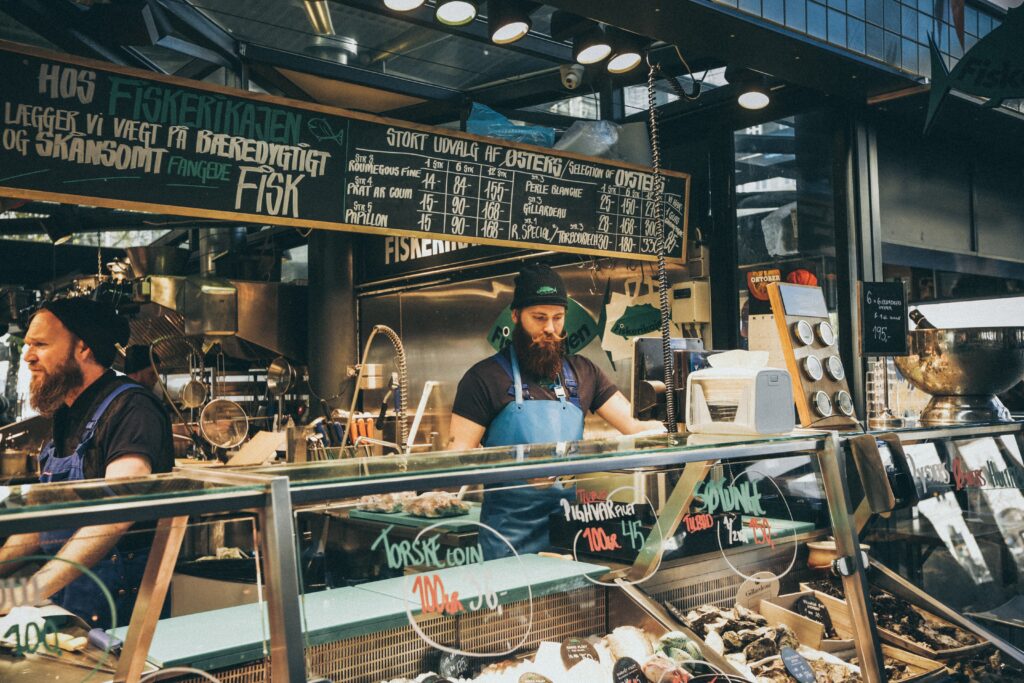
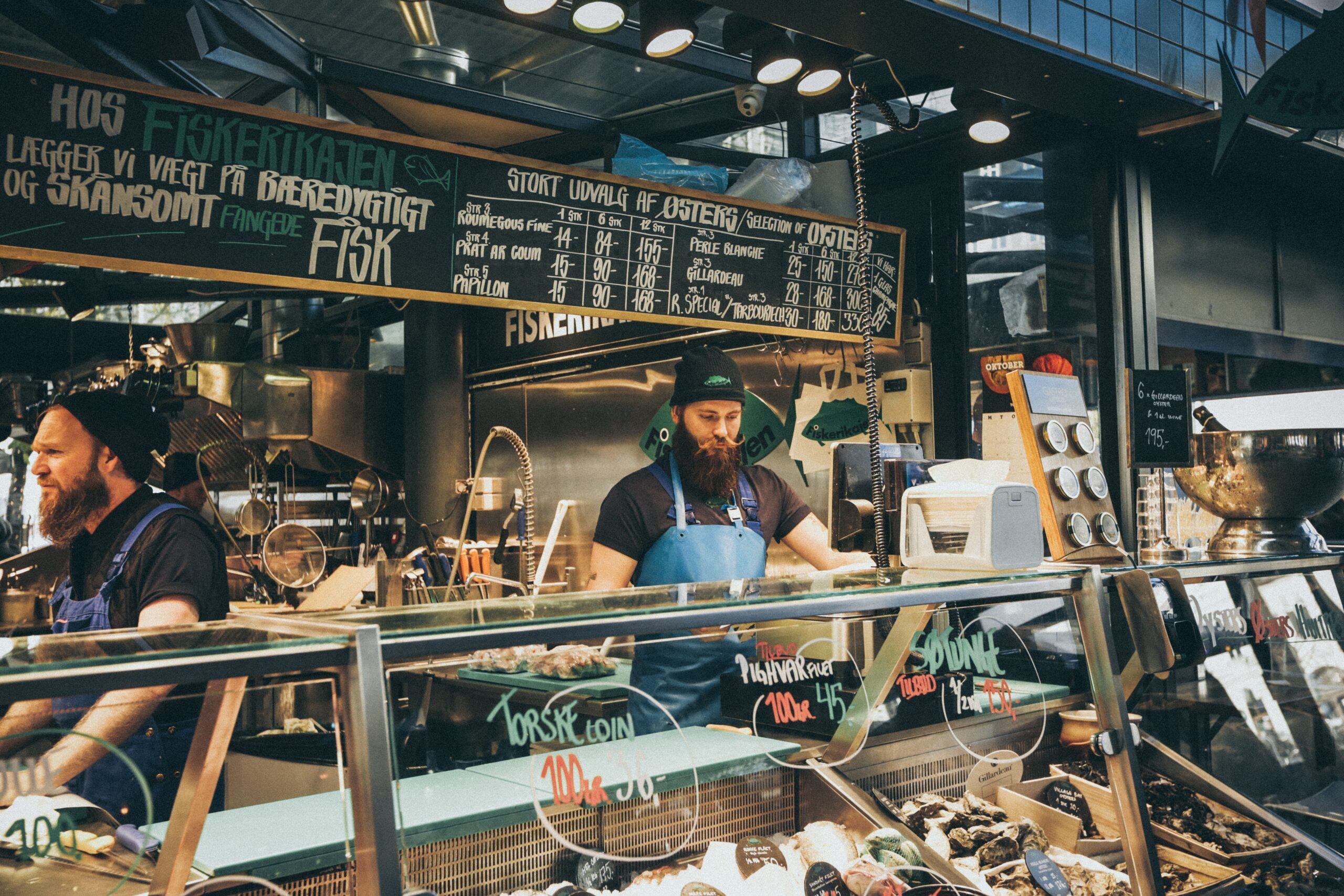
Danish fish market. Photo by Nick Karvounis on Unsplash

Target audience

Those in charge of Copenhagen’s food strategy and food strategies in other cities worldwide. International and national food NGOs. Public health food practitioners.

The problem

Poor diets are both the leading cause of morbidity and mortality globally, while also being a key driver of climate change. While efforts have been made to design a global diet that is good for both people and planet (the Eat-Lancet reference diet), this diet does not take into account different eating norms in different places nor how they might affect uptake.

What we did and why

To understand how people in one Copenhagen neighbourhood navigated their food environments and explore the implications for bringing diets in line with the Eat-Lancet reference diet, we designed a photo-elicitation study. Over three weeks, participants took photos of their food environments and the facilitators and barriers to healthy eating. They attended workshops where they discussed these photos and reflected on how a healthy and sustainable diet might be facilitated.

Our study’s contribution

  • Insights into the different factors that shape people’s food purchasing and consumption and how they interact with each other.
  • Insights into how the food environment might need to be adapted so that foods that fit in with a healthy and sustainable diet are affordable, appealing, and accessible.
  • Insights that are grounded in the lived experiences and critical reflections of people living and eating in one neighbourhood of Copenhagen.

Impacts for city policy and practice

Adapting the Eat-Lancet reference diet to local circumstances  requires a deep understanding of how and where people acquire food, and what other roles food plays in people’s lives. To reshape diets, what is available in the food environment must match what fits in with pre-existing practices and values.

Policy makers must understand the non-monetary benefits that food environments bring to people, such as providing time for other activities or promoting broader wellbeing through social engagement.

Further information

Full research article:

Related posts

Can urban planners and designers fight depression? 

This study analysed thirteen neighbourhoods across four Israeli metropolitan cities from a cross-typological perspective to identify meaningful depression patterns and their links to neighbourhood design. The study suggests that while it is clear that urban planners cannot control all features associated with depression, they have at least the power to address the physical features associated with the neighbourhood, such as densities, street networks, building forms, and open spaces.

Read More »

Perceived urban quality and well-being during post-earthquake shelter projects (MAPs and CASE) in L’Aquila, Italy

Although the CASE and MAPs were supposed to be temporary shelters for displaced persons, after fourteen years, they have not received proper maintenance and are dilapidated. This scenario opens to the idea that living in these places could negatively affect different psychological aspects, including perceived urban quality and environmental well-being.

Read More »