

City Know-hows

How to create happier urban spaces in developing megacities: 18 actionable factors for city leaders

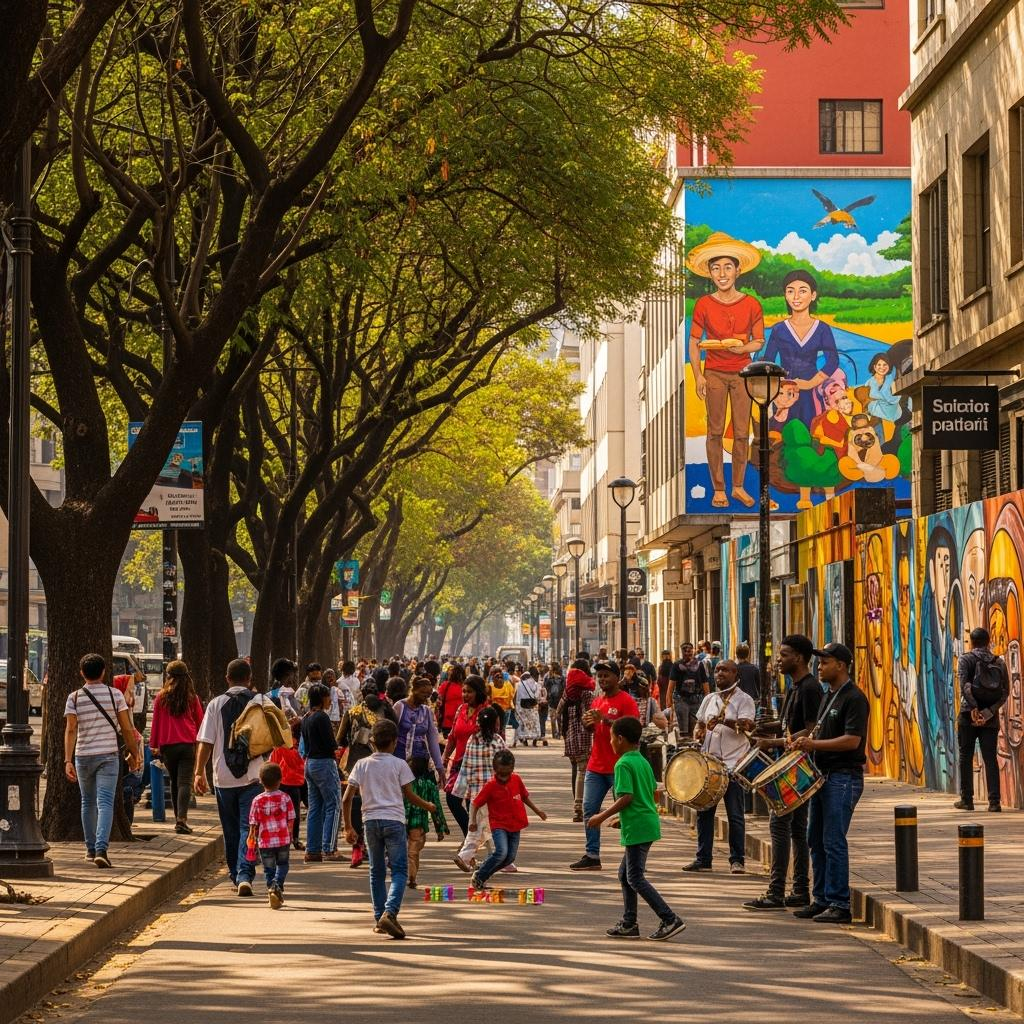
“A happy urban space in action: walkability, greenery, music, play, and art come together to foster joy and connection in the heart of a megacity.”

What makes a city truly happy? Drawing on research from nine global megacities, this study identifies the most important factors that foster happiness in urban public spaces. Put these 18 evidence-based criteria to work and transform your city’s streets, parks, and squares.

Share

Target audience

City mayors and urban policymakers in developing countries, municipal urban design and planning officers, and community-based organizations working to improve city life.

The problem

I see that rapid and unplanned urbanization in developing country megacities often leads to environments that undermine citizens’ happiness, health, and well-being. Unlike developed countries, these cities face unique challenges—social inequality, pollution, car dependency, and scarce green spaces. There is little practical guidance on how to create happy urban spaces suited to local realities. I wanted to address this gap and help decision-makers prioritize effective actions for happier, healthier urban environments.

What we did and why

I systematically reviewed international research and then interviewed 25 urban experts from nine major cities across Asia, the Middle East, and Latin America. Using rigorous coding and a prioritization technique (SWARA), I identified and ranked 18 core factors that most strongly contribute to happiness in urban public spaces. This approach lets city leaders focus on what matters most—based on local context, expert consensus, and proven impact—so that limited resources go to interventions with the greatest effect.

Our study’s contribution

My research delivers a clear, prioritized checklist of 18 actionable factors—including walkability, opportunities for play, music, trees and green space, color, and public art—that city leaders can use to evaluate and design happier urban spaces. The ranking reflects the lived realities and constraints of developing megacities, helping practitioners focus on practical changes. This model can be used to assess current spaces, guide new projects, and inspire policies that foster collective well-being and social cohesion.

Impacts for city policy and practice

I recommend that city policymakers and practitioners use the prioritized list to guide urban design and improvement efforts. Start by investing in walkability, green spaces, playful environments, and vibrant cultural activities. Engage local communities in planning and maintenance to ensure spaces are inclusive and context-appropriate. Even with limited budgets, focusing on these top factors can deliver visible improvements in happiness, health, and social life—making your city more attractive, equitable, and resilient.

Further information

Full research article:

Identifying factors influencing happy urban spaces in the megacities of developing countries by Pourya Pirmoradi, Delaram Garshasbi & Mahdiye Noormohammadi Lafmajan

Related posts

The hidden burden of traffic crashes

The high risk of death and disability from being struck by a car is unevenly distributed geographically and socially. Our analytics reveal a troubling pattern in that people from Black and Latino neighbourhoods facean especially high risk of crashes, both near and far from home.
Vision Zero leaders in the hundreds of participating cities across the world in planning departments, nonprofits, and community groups need to look at our approach.

Read More »

How migration and climate crisis impact the health of migrant populations in Santiago, Chile

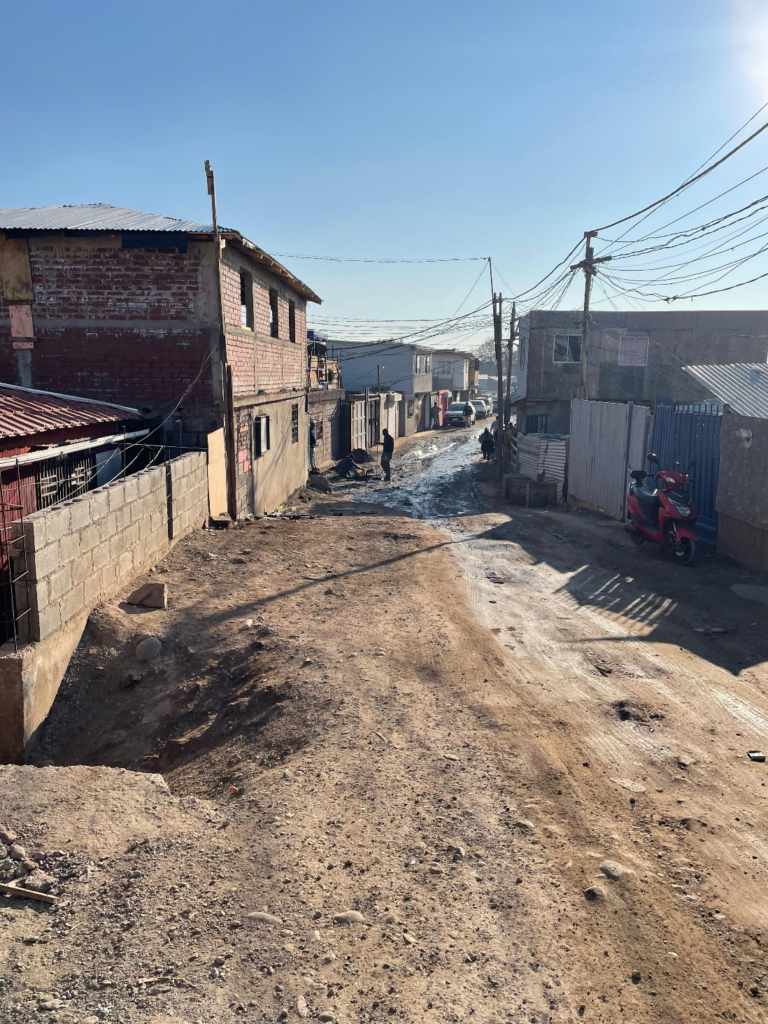
Using a qualitative approach, we examined health vulnerabilities and community strategies in response to climate crisis conditions, involving 22 residents from the Toma Nuevo Amanecer informal settlement. Primary data was collected through ethnography, a focus group, and semi-structured in-depth interviews. This approach aimed to understand how extreme weather events, such as landslides, heatwaves, floods, fires, and air pollution, impact migrant communities and their coping strategies.

Read More »