City Know-hows
Wayfinding interventions offer a viable, low-cost, intervention to increase recreational walking in urban greenspaces for irregular users, older adults and those with mobility impairments.
Share
Target audience
Local community groups and stakeholders; council officers and local authorities; heritage groups and charities
The problem
The health benefits of regularly using greenspace are multiple and include social, physical and mental benefits. However, people are increasingly living in urban areas with limited access to greenspaces. Research has also found that there are a number of barriers people may face to using greenspace, such as anxiety and confidence in how to navigate the space. Small-scale wayfinding interventions may alleviate these barriers and increase use of space.
What we did and why
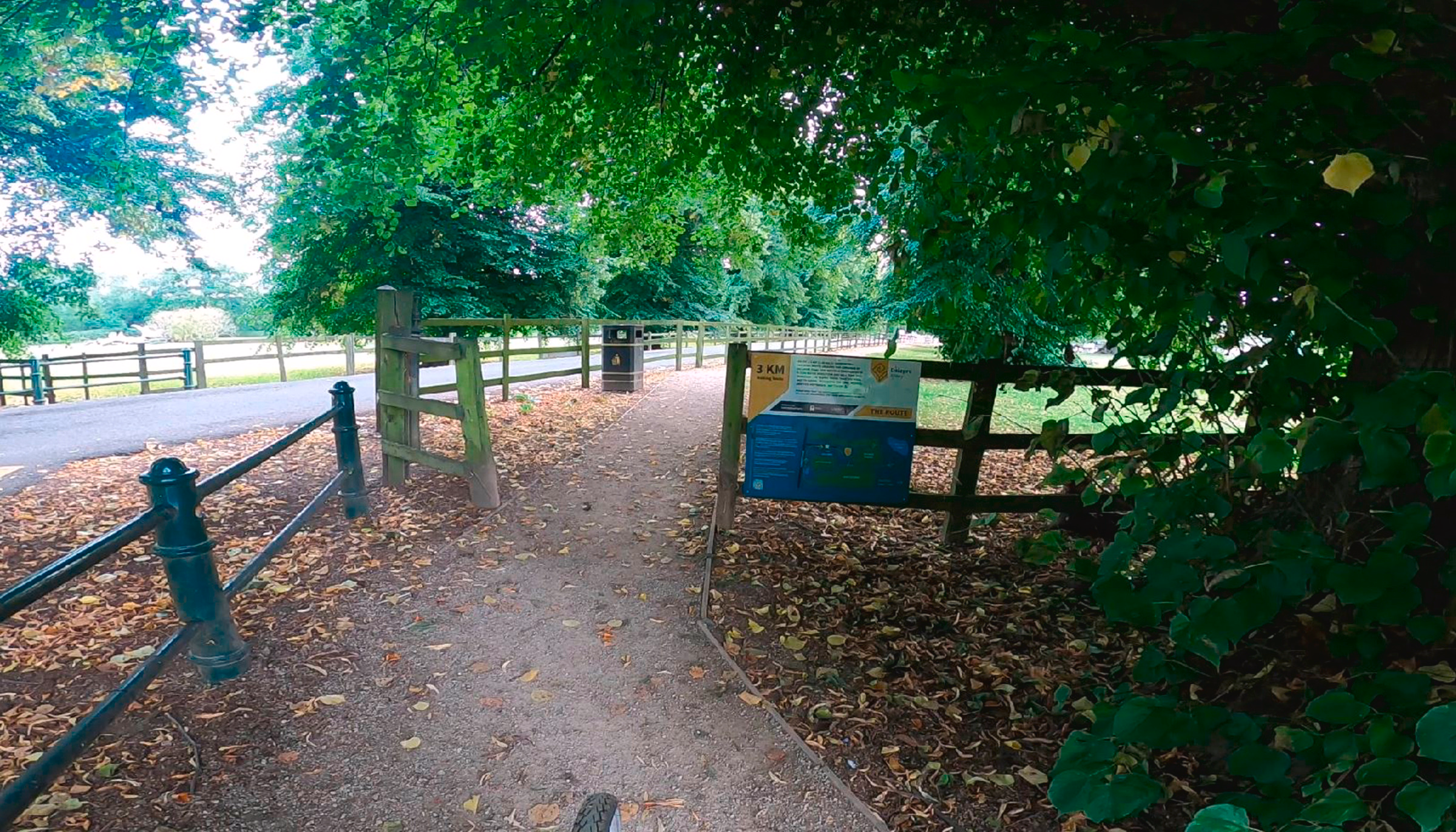
The Delapre Walk Project installed 24 directional wayfinding signs within an urban park to create a 3 km signposted walking route. This intervention was designed alongside the community to meet specific local needs. Following the installation, we conducted go-along interviews with people in the urban park to understand uses of the park, views on the intervention and how local park users were interacting with it.
Our study’s contribution
This study adds detailed insights into the effectiveness of small-scale wayfinding interventions and local communities’ connections to urban parks. The findings show how such interventions could be designed in other areas to increase impact, as well as methods to obtain the views of local park users.
Impacts for city policy and practice
Local communities should be consulted on interventions in shared public spaces as local people often have very strong connections to them. Any proposed interventions should be co-produced with the local community to ensure it reflects local context, needs and avoids unintended consequences
Further information
Full research article:
Finding your way: exploring urban park users’ engagement with a wayfinding intervention through intercept go-along interviews by Jack Hardwicke, Kimberley M. Hill and Declan J. Ryan.
Related posts

Autism inclusive urban environments design principles to support sensory and cognitive navigation.

Our study sheds light on the evolving dynamics of the Greater Cairo Region, adding depth to the understanding of whether gated communities act as true remedies or reflections of concrete houses. By incorporating a model based on critical factors for mental health, we offer insights into the nuanced dimensions of well-being in the context of urban development. This research contributes to a more comprehensive understanding of the complex interplay between city structure and residents’ overall well-being.

Our review highlights the lack of urban green and blue spaces interventions to prevent violence against women and girls. We look also at how interventions could prevent violence against women and girls, reduce inequalities, and reshape social, cultural, and societal norms; promoting use of urban green and blue space for women and girls.