
City Know-hows
Target audience
Landscape architects, environmental educators, city planners and sustainability practitioners and scientists
The problem
There is no established agenda to create sustainable urban environments that combine bio-physical and socio-cultural dimensions. Consequently, many urban environments suffer from lack of direct nature experiences, insufficiently integrated ecosystem services, and narrowly considered public health and well-being in the urban design.
What we did and why
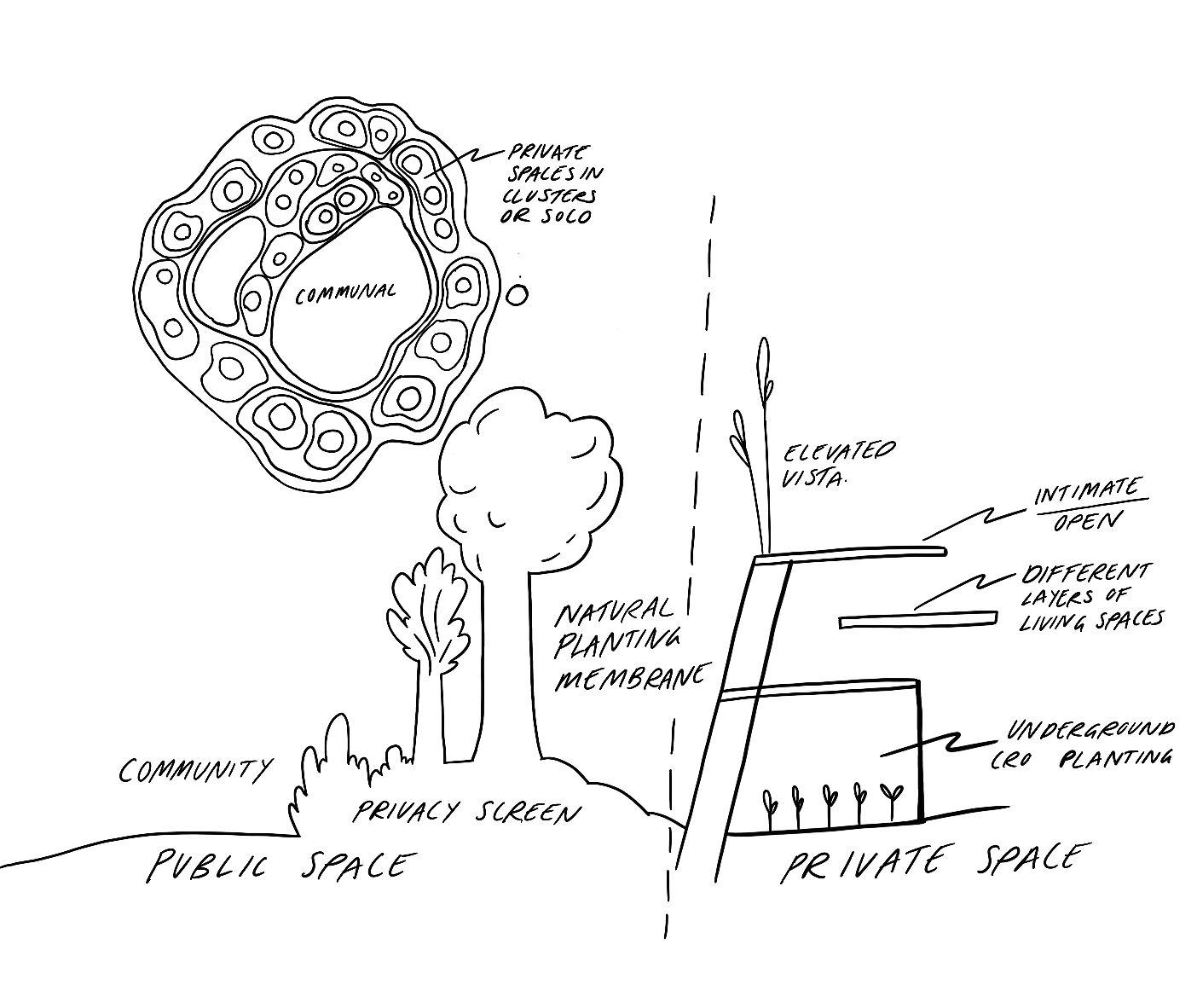
We explored the basis of a transdisciplinary agenda for nature-connecting human habitat, i.e. an ecologically sustainable habitat that promotes a cultural connection between people and nature. We create an explorative vision for sustainable human habitats that integrate personal, social, and environmental factors and then identify actions and synergies to achieve it.
Our study’s contribution
The collective vision suggests a variety of psychological, physical, cultural, and environmental attributes that interplay with each other. Next door nature routines are essential to create nature-connecting habitats. The consequent co-benefits with nature-based solutions are many as is the potential to support the Sustainable Development Goals.
Impacts for city policy and practice
Given the wide range of actors benefitting, further exploration and planning of future human habitats would benefit from including many different actors such as local officials, educators, lawyer, ecologists, landscape architects, and even medical doctors – through social prescribing; and of course, local communities!
Further information
Full research article:
Full research article: Connecting land. A transdisciplinary workshop to envision a nature-connecting human habitat by Matteo Giusti (@matteogiusti), Wenpei Wang & Tanya Marriott. City Know-how editor: Marcus Grant
Related posts

As urbanisation continues globally, the interest in urban green space as a provider/supporter of mental well-being is still growing. The question has largely moved on from “Will a walk in the park help with mental well-being?” to “Will a walk in any park do?” Previous research suggested that urban green spaces with rich fauna and flora (i.e. rich biodiversity) improved mental well-being. However, the experimental evidence remains limited.

The foundation is to generate awareness and evidence of existing housing conditions and their health impacts. Then collaborate across sectors and with stakeholders, establish effective enforcement systems, and tackle issues around private rights.

Children’s daily movement is shaped by how residential open spaces are designed. Our findings show that small spatial adjustments—such as connected pathways, flexible play zones, and improved visibility—can significantly enhance children’s physical activity. These insights help cities create healthier living environments.