


COVID-19: Highlighting the negative impacts of odour pollution in the built environment
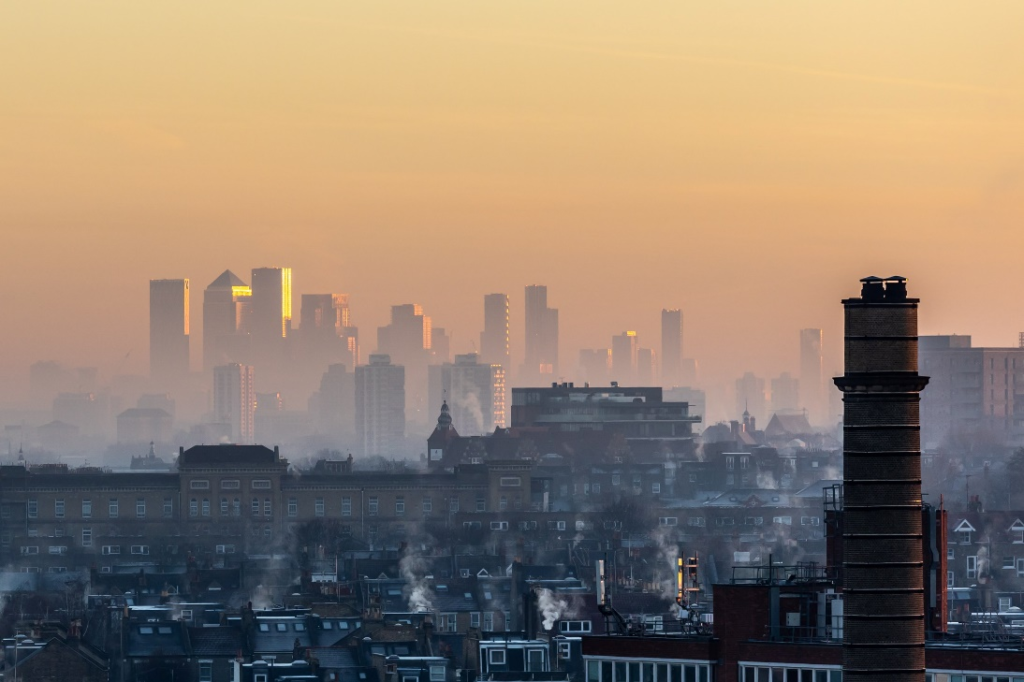
Odour pollution impacts our mental and physical wellbeing without being noticed very often – bad smells can have a negative impact on how we think and feel. Bad odour can affect our work and home environments in a negative way so why don’t we take it more seriously?
City compactness and COVID-19
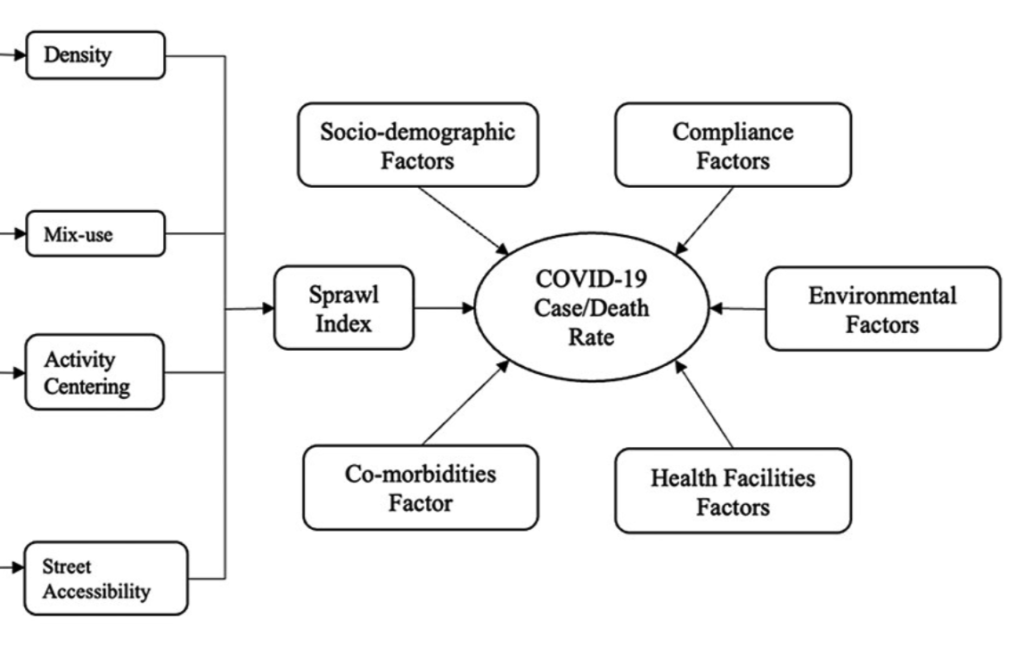
Compactness level urban areas have different health related outcomes during COVID-19.
Insights on behaviour changes, the pandemic, and the Sustainable Development Goals in Hong Kong
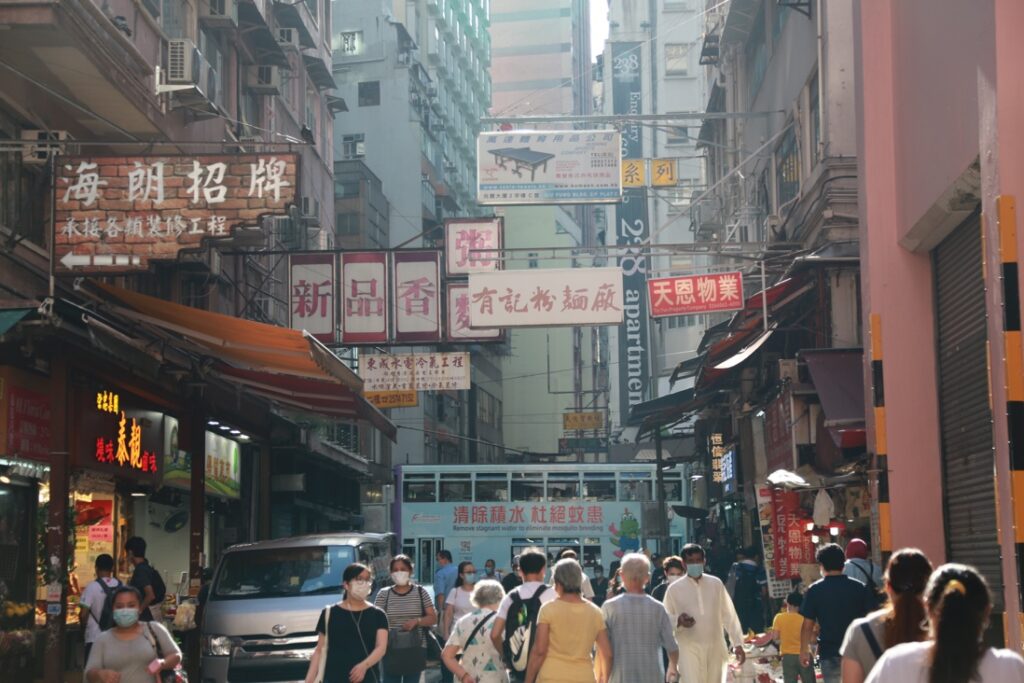
Our study analyzes the impact of COVID-19 on Hong Kong’s progress towards achieving the Sustainable Development Goals. The study identifies four SDGs that stood out with significant impacts from the pandemic. We offer valuable and transferable insights for policymakers and stakeholders involved in pandemic recovery and sustainable development efforts.
Mind, body and blood: investigating the changes to health and wellbeing when outdoors?
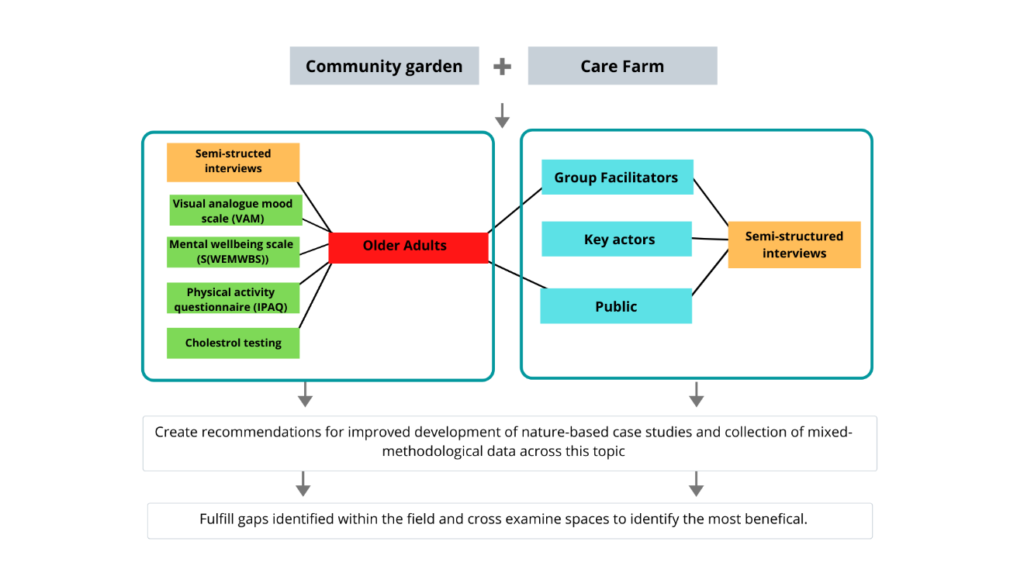
We used a case study approach to highlight potential radical health tools that could be embedded in research projects to enable us to understand more about how nature impacts health and wellbeing.
Integrating nature and workplaces in a post COVID-19 world: Building Back Better
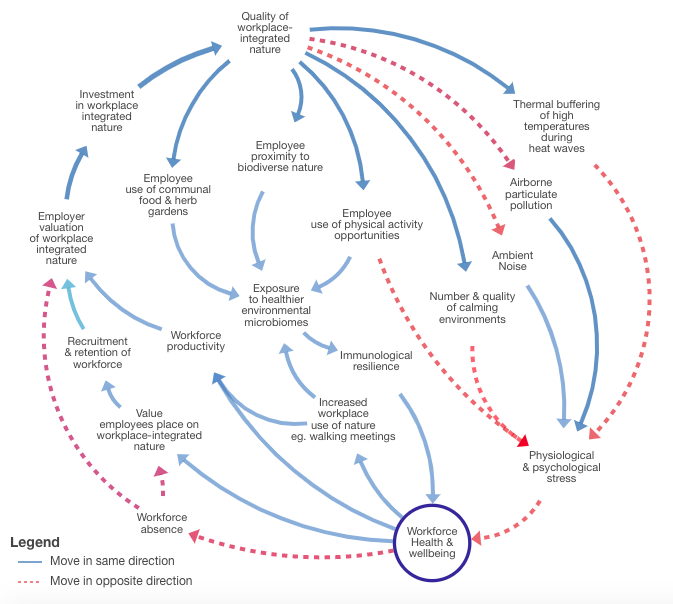
The future of workplaces now includes ‘remote’ for many, which has many health benefits. The future of ‘the office’ needs to evolve too and bringing more nature into the workplace is a healthy place to start.
Boxed in: Changes in apartment residents’ health behaviours following the COVID-19 lockdown – a longitudinal cohort study from Australia
This study adds to the literature on the health impacts of lockdowns by examining longitudinal changes in the health behaviours of Australian apartment residents. Following the COVID-19 lockdown, residents reported increased walking for recreation, sleep duration, and home cooking frequency, but decreased walking for transport, greater sitting time, and weight gain. Alcohol consumption remained stable.
What can city policy-makers do to mitigate the effects of pandemics on urban life?

By reviewing the studies on the cities in the early months of the COVID-19 outbreak, we could develop a promising perspective for identifying solutions during future similar pandemics.
An ‘adaptive bubble strategy’ incorporating the built environment to maintain older adults’ health and wellbeing
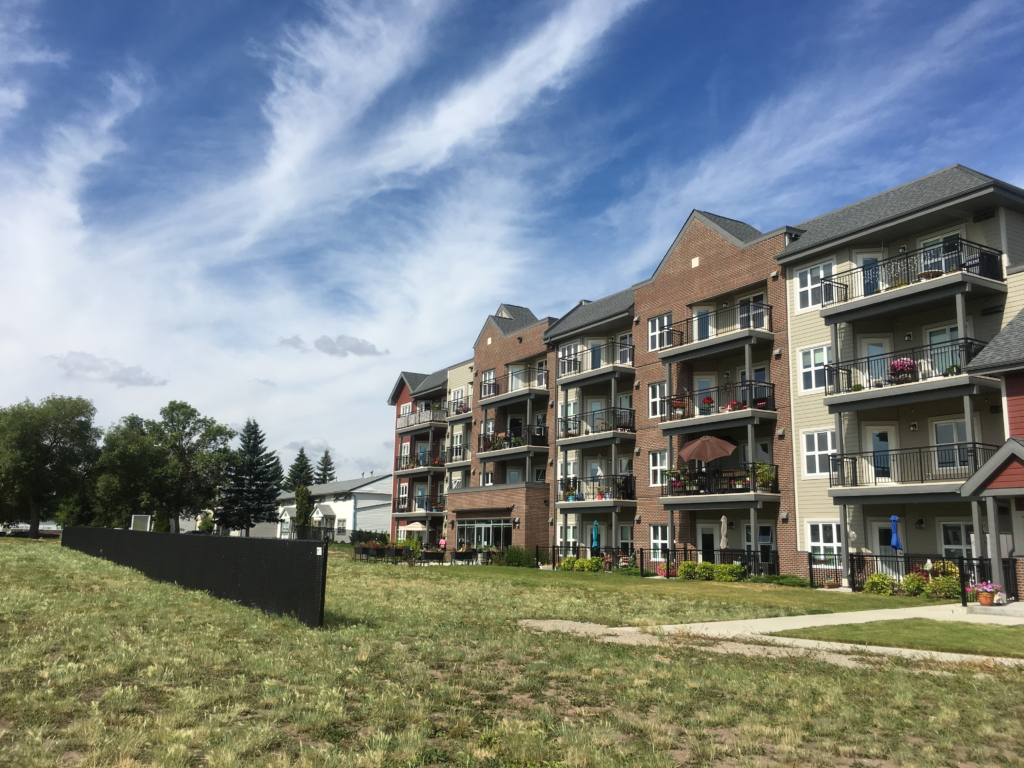
Our ‘adaptive bubble strategy’ illustrates how older adults protect themselves from virus transmission and maintain healthy living activities and psychological wellbeing with the support of the built environment during COVID-19.
Understanding the community and social determinants in mental health inequity: the impact of mass social distancing during COVID-19, USA
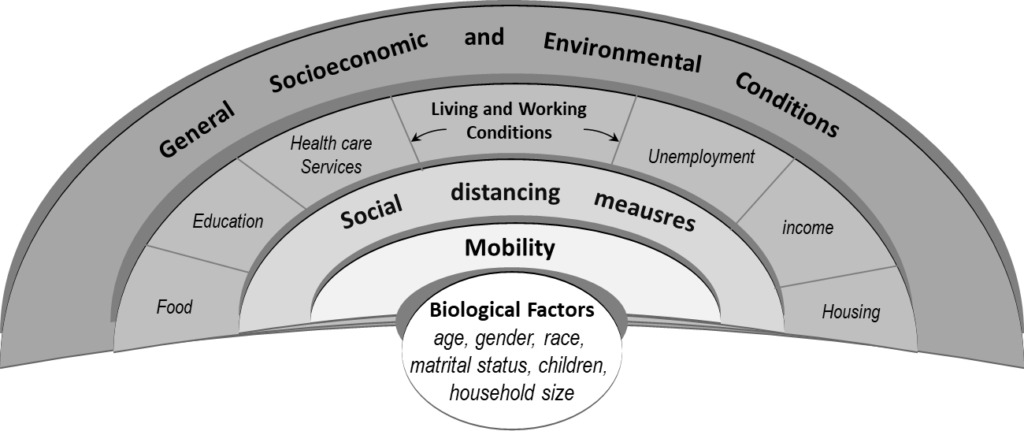
The psychological impact of social distancing order during the COVID-19 pandemic can be determined by combining the effects of both individual and community capacities. This study supports the need to improve the physical environment to implement more sustainable health policies in different communities and cities across the world.
A new tool for understanding neighbourhood-level drivers that impact health
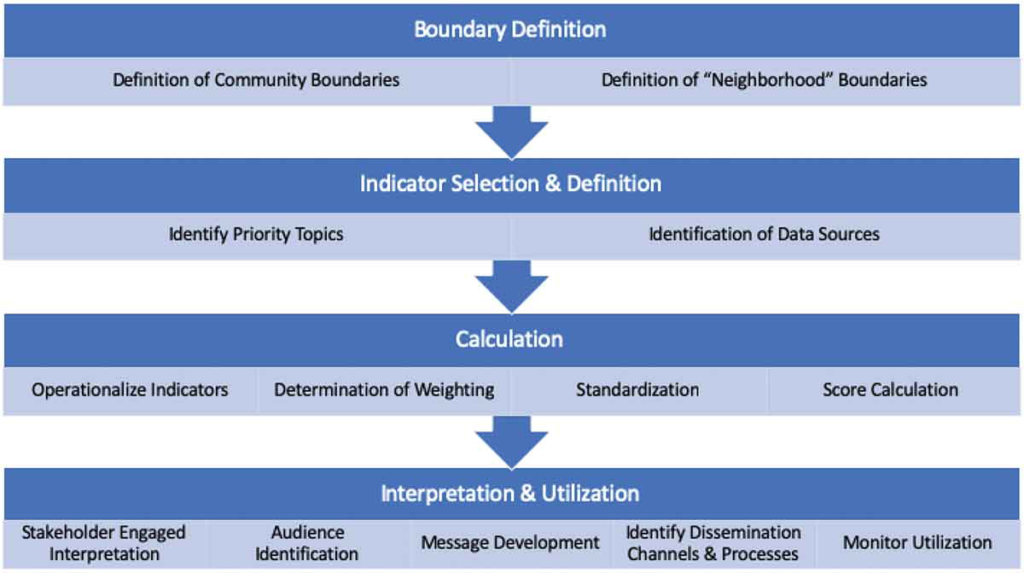
There are so many neighbourhood-level drivers that impact our health that making sense of all the data can be difficult. This tool helps us understand how the drivers and the data fit together and, importantly, what is most important to the health of our neighbourhoods.