

City Know-hows
Target audience
Regional and local-level urban planners. Health impact assessment practitioners.
The problem
The use of health impact assessments is rapidly growing and can benefit from the integration of a wide variety of available data sources; however, integration of several different sources of data can be a challenge.
There are so many factors that determine the health of neighbourhoods that:
What we did and why
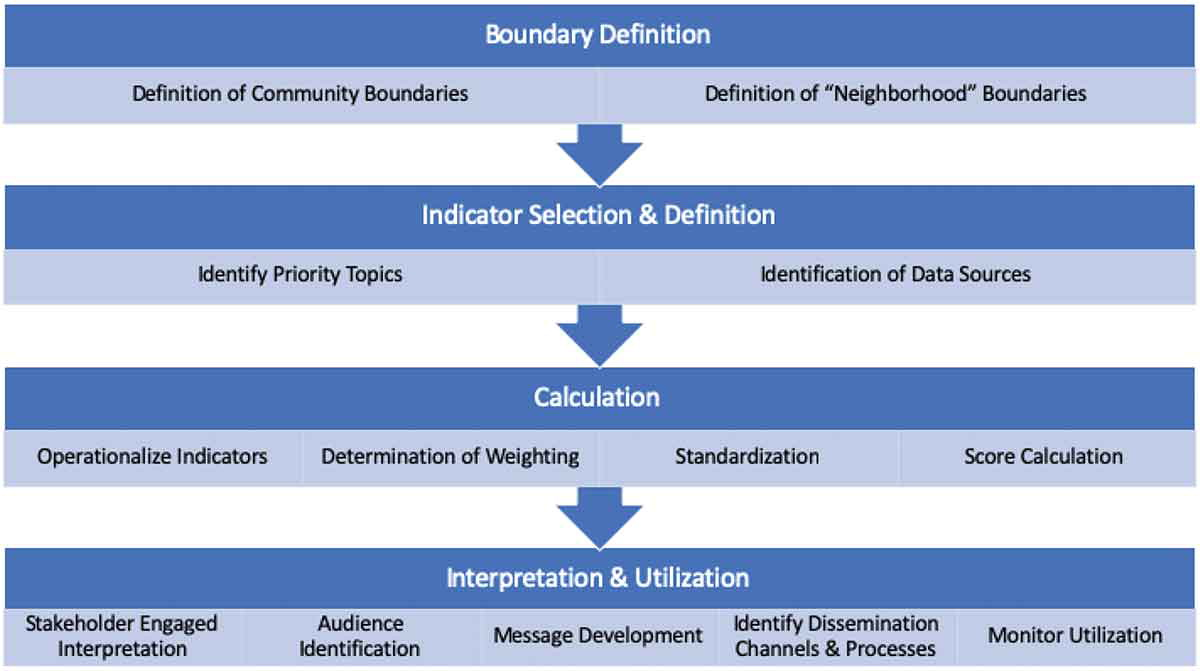
Our work presents a method of integrating several different sources of health impact data to create a single score of potential health impacts of an area within a given community relative to other areas within that community.
We first put different data sources into common units of measure using a standardization technique. Next, by taking into consideration the strength of available evidence, input from community stakeholders, and other sources of data, we individually weighted the diverse range of variables related to documented sources of health impacts, both positive and negative. We then combined these weighted quantities of impact into a combined health impact score, which provides a relative score (compared to other areas within the study area) for a given location.
Our study’s contribution
This study adds a tool that decision makers, planners, and health impact assessment practitioners can use to better understand the drivers that are impacting the health of their neighbourhoods.
The scores allow identification of what factors in a neighbourhood are most relevant in driving health impacts in a specific locality. This can help decision makers set priorities for which issues to address.
Impacts for city policy and practice
Practitioners seeking to better understand the sources of potential health impacts, either when using a health impact assessment or some other approach to integrate multiple sources of data into the decision making or planning process, could benefit from using this method/tool. This tool helps to further integrate health into broader decision-making processes, such as health in all policies.
The tool can be used to inform plans for healthy development, health impact assessments, and can provide a health-oriented evidence-base for decision makers to consider when deliberating and setting priorities.
Further information
https://sophia.wildapricot.org/https://www.pewtrusts.org/en/projects/health-impact-project
Authors: John D. Prochaska (@DrJohnProchaska), Robert N. Buschmann and Daniel Jupiter
Full research article:
Related posts

Interventions on riverfronts require close consideration of contextual ecological and social aspects. We adopted a research-by-design process to discuss nature-inspired urban design strategies in an Irish context.
• We conducted a desk study of academic literature and urban policies to establish the suitability of various methods for the site characteristics;
• We performed site analyses (site observations, footfall counting, photographic documentation) for an in-depth understanding of the existing conditions. We developed urban design scenarios to envision potential approaches, on which public feedback was sought.
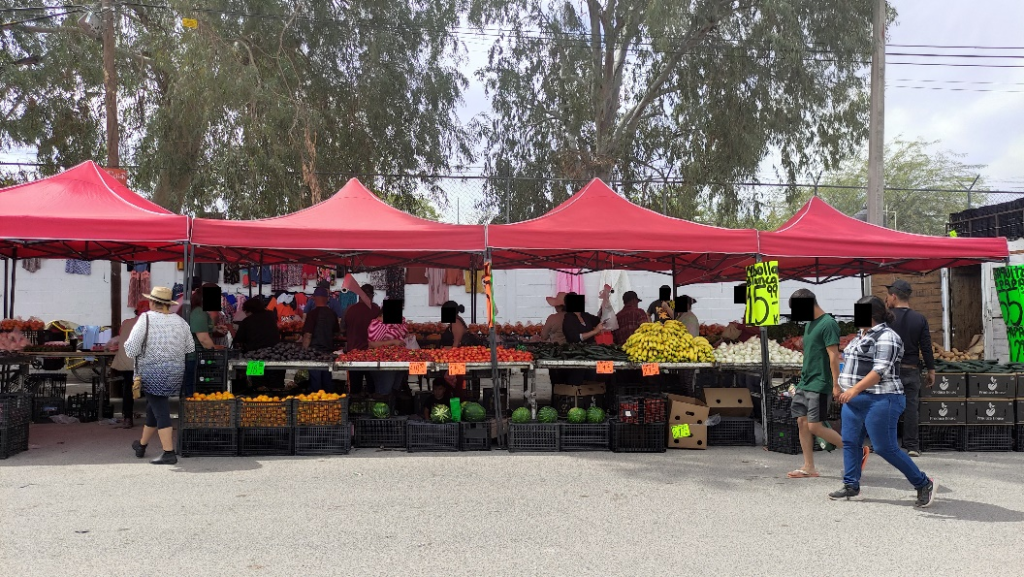
Understanding how mobility capacity and socioeconomic level, rather than mere proximity to food stores, significantly shapes access to healthy food can provide valuable insights for enhancing proximity-based planning for healthy eating. Given the diverse socioeconomic and food culture contexts worldwide, region-specific research is essential for informed urban planning decisions.

Urban environments influence mental health and development of younger populations. This study explores associations between adolescent mental health indicators and design characteristics. Implications include recommendations for planners and urban designer to promote psychological well-being.