Designing autism inclusive urban environments

Autism inclusive urban environments design principles to support sensory and cognitive navigation.
Active urban spaces: the practical side
This paper shows design tools and views of experienced practitioners in active urban design against a theoretical backdrop. It describes the creation process, including opportunities and inspiration to further improve the practice.
Creating green spaces in Singapore that improve health and conviviality through ‘nature placemaking’
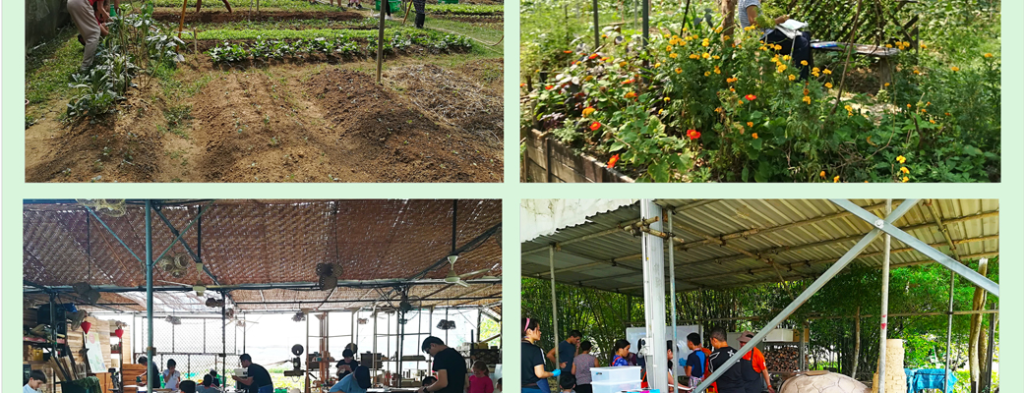
The involvement of citizens in nature placemaking processes can have a positive impact in the psychological health and wellbeing. The connection with the natural environment and community is grounded in five core principles recognized as the 5Gs: Gracious, Green, Giving, Grounded and Grateful, as conveyed through the activities.
Urban walks to benefit psychophysiological wellbeing; during COVID-19

Assessing the impact of walking in different urban spaces during the pandemic highlights the positive effects of high-quality green spaces for mental health.
Community wellbeing in the built environment: breaking down building performance assessments
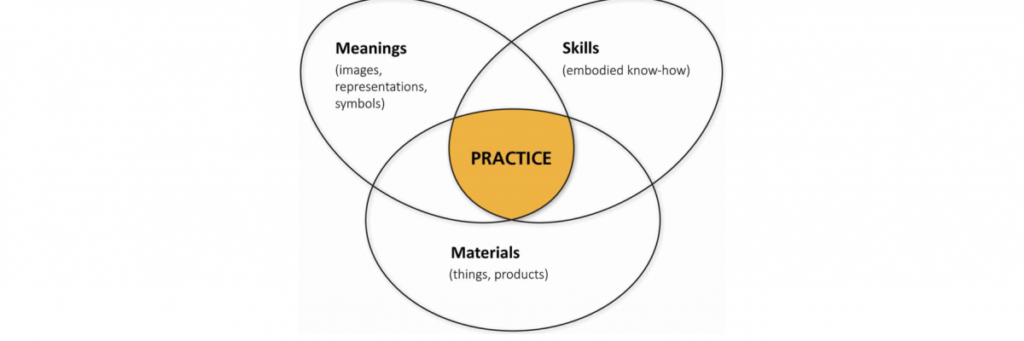
Community well-being is acknowledged as being ‘greater than the sum of its parts’. Our paper identifies current gaps in Community well-being assessments and recommends participatory mixed methods.
Comparative analysis of urban sprawl drivers and impacts across the globe with a special focus on Asian Cities
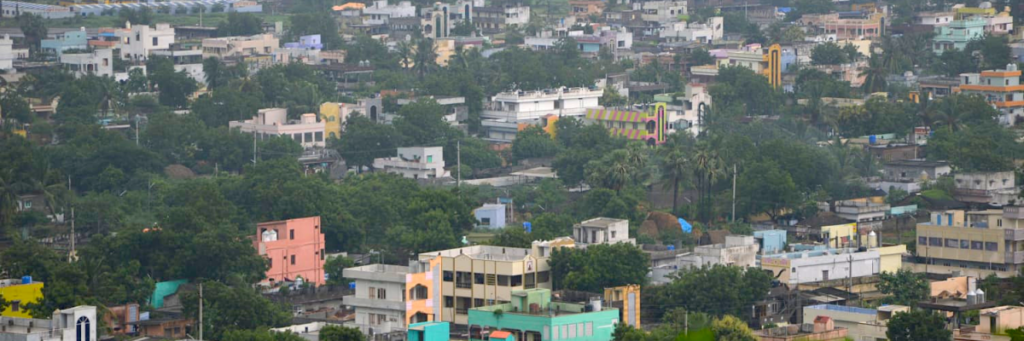
This comparative study of 10 cities across the globe aims to understand the major factors that drive the sprawl conditions and their impact on the outer edges of the cities. Land is a very potential natural resource that has been exploited over the past few decades. Migration of people in search of better living conditions has led to the formation of cities, which are deemed to provide better quality of life. However, the rate of influx has become very high, leading to saturation in cities and forcing people to move towards the outskirts.
How is our wellbeing affected by the design of our homes: lived experiences during COVID-19 in London, England
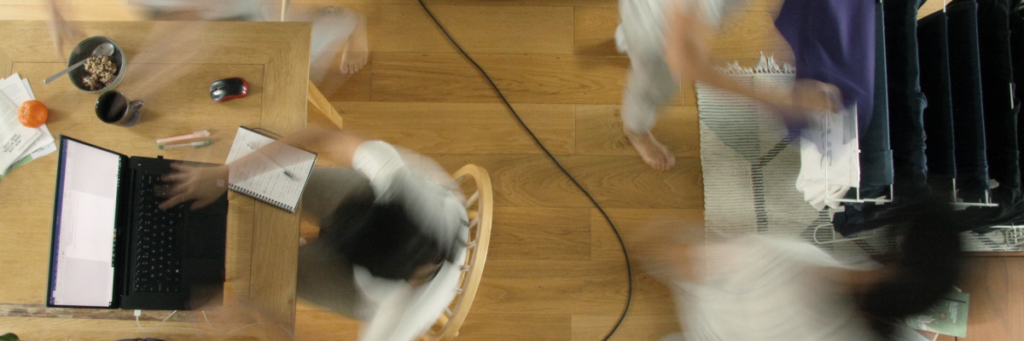
How has the pandemic changed how we use and perceive our home? Many were working, eating, living, playing, sleeping, and learning in the same space. Has changed perceptions influenced ideas of the design of our homes, and potential for happiness and wellbeing?
Impact of COVID-19 on neighbourhood physical activity in older adults, a study from the UK
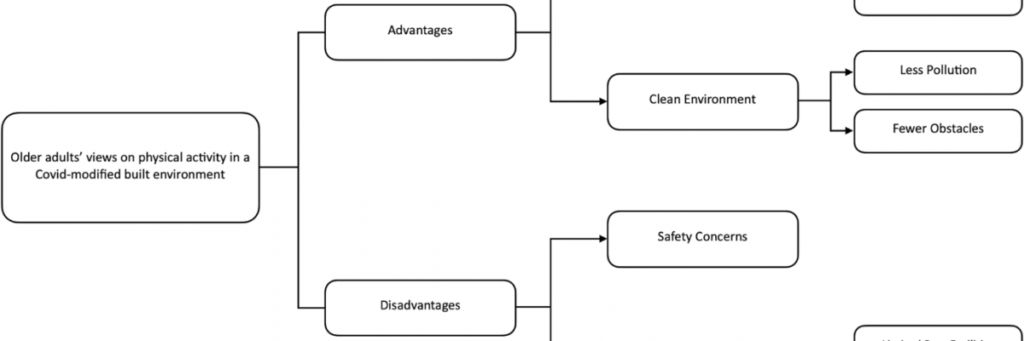
Older adults exercised less during COVID-19. Covid-related built environment modifications such as one-way walking systems and social distancing may have made physical activity more difficult.
Open spaces and wellbeing: outdoor environments to promote health
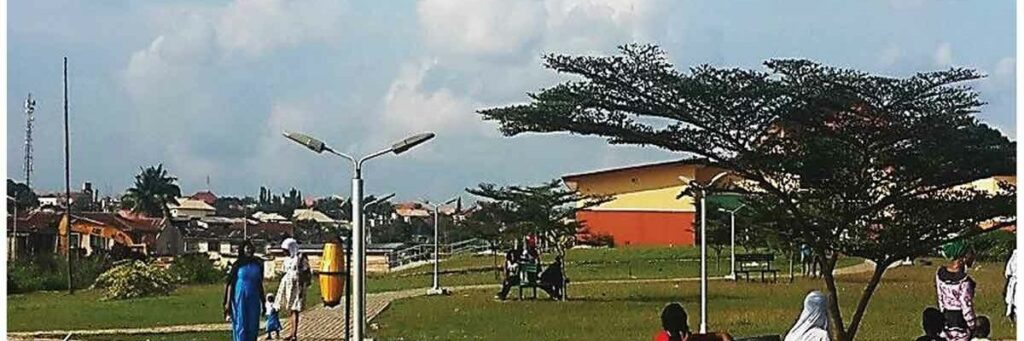
Open spaces are known to improve the health and well-being, however there are few studies from developing countries. This Nigerian study examinessocio-economic characteristics of residents, attributes and uses of neighbourhood open spaces and self-rated health.
Place qualities affect people’s sense of place and subjective well-being
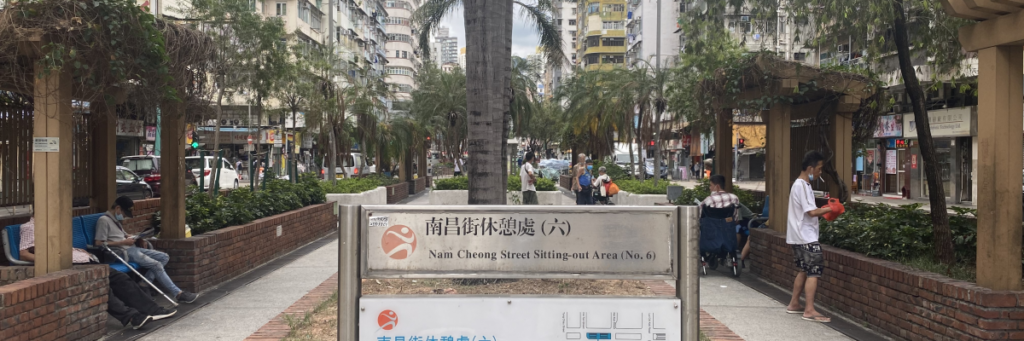
Place qualities affect people’s place identity, attachment, and behaviour, as well as their emotional, psychological, and social well-being. This is core to healthy cities, urban futures and public health.