


Walking eases everyday life in a pandemic city, Helsinki, Finland
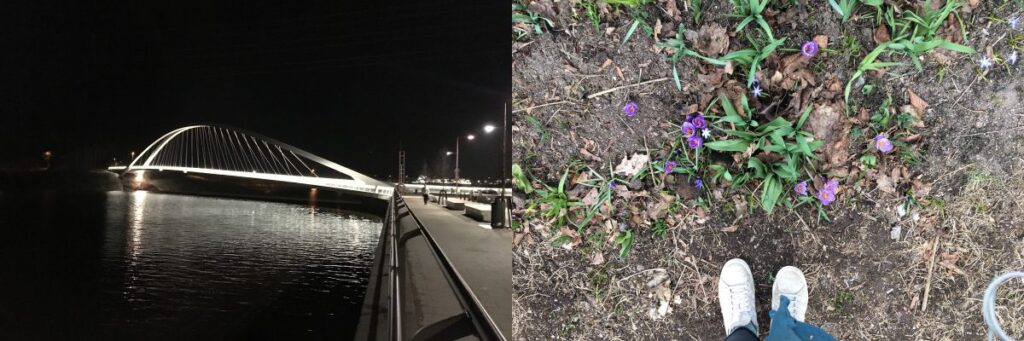
Walking is a forgotten aspect of urban communication. Walking provides places of interaction and is revealing of the relationship between citizens and politics.
The effect of COVID-19 on parks and greenspace use; understandings from self-reported data, Southwestern Ontario, Canada
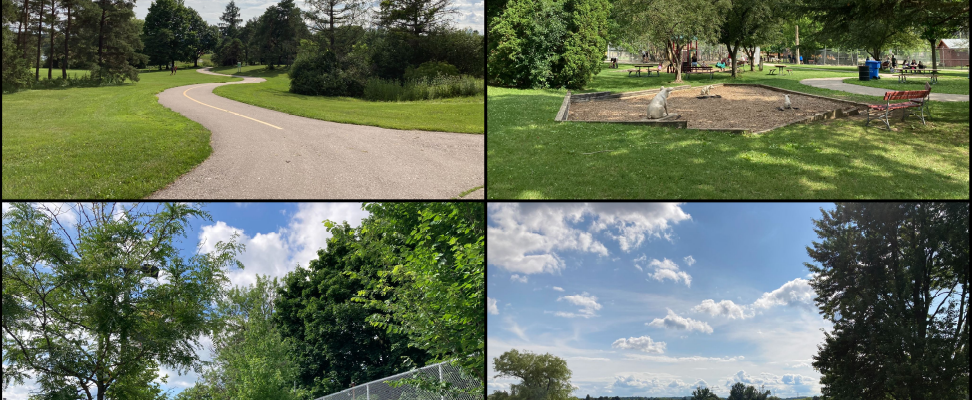
How did parks and greenspace use change three months into the pandemic? Parks and greenspace can help mental health, but also may be sites of virus transmission.
Unpacking the meaning, measurement, and health impacts of social connectedness in cities: A guide for research and policy
The meaning, measurement, causes and consequences of social connectedness in cities. A useful primer and pragmatic framework for healthy cities, urban futures and public health.
Residents reports of construction defects in new apartments are associated with poorer mental wellbeing
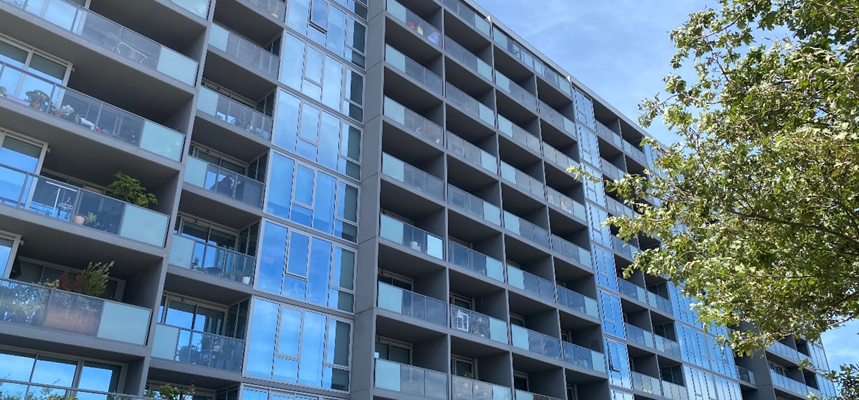
A study of apartment residents identified an association between construction defects and mental health. For every additional problem, wellbeing decreased and psychological distress increased.
Improvements to urban planning and public policy: Lessons from the responses COVID-19 in Ghana
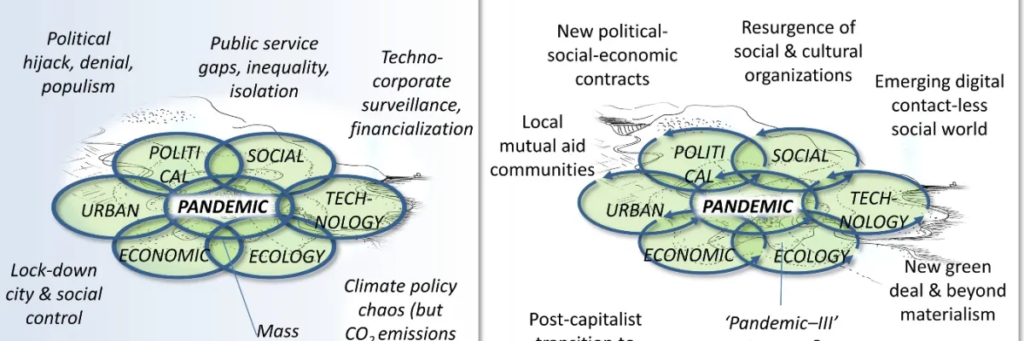
The global COVID-19 pandemic, with its associated issues of isolation, enhanced hygiene practices and contact tracing brought up a number of issues to the public domain, many of which bordered on the nexus between urban planning and public health. We examine how new ideas concerning the linkages between urban planning and public health revealed by the COVID-19 crisis can be integrated into practice and how we might leverage this knowledge to build more just, healthier and liveable cities.
The neighbourhood built environment and outdoor physical activity during the COVID-19 pandemic
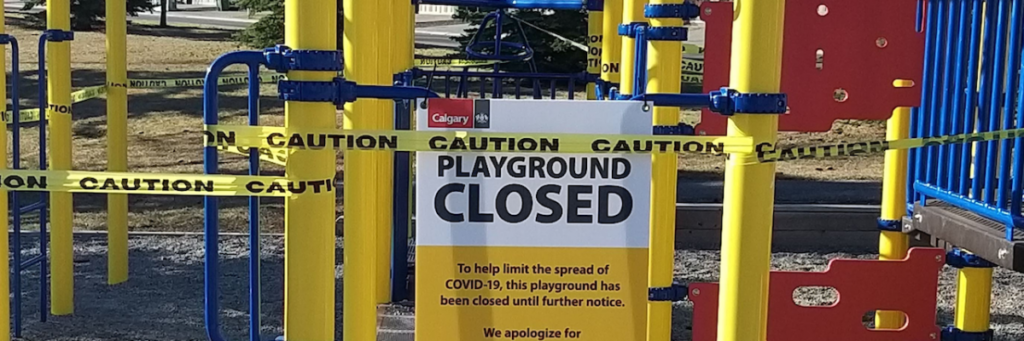
Public health authorities encourage outdoor activity while physical distancing during the pandemic, but could the built form of cities and neighbourhoods support outdoor activity during COVID-19?
Recreating a therapeutic blue urban space: the restoration of the Triton Fountain in Valletta, Malta
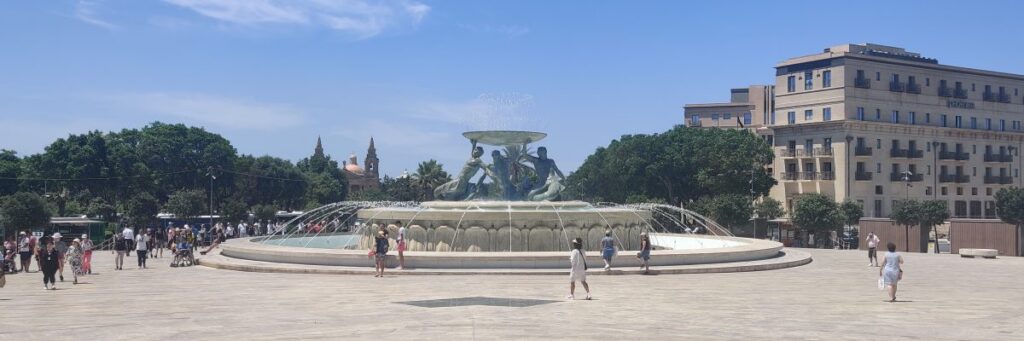
Looking at city water features as therapeutic blue urban spaces. Based on the architectural redesign of a water fountain in Valetta Malta. We studied its restoration and conservation to understand its potential influence as a therapeutic blue urban space in the public realm.
How did people use Frankfurt Mainkai riverfront in Germany during a road closure experiment and coronavirus lockdown?
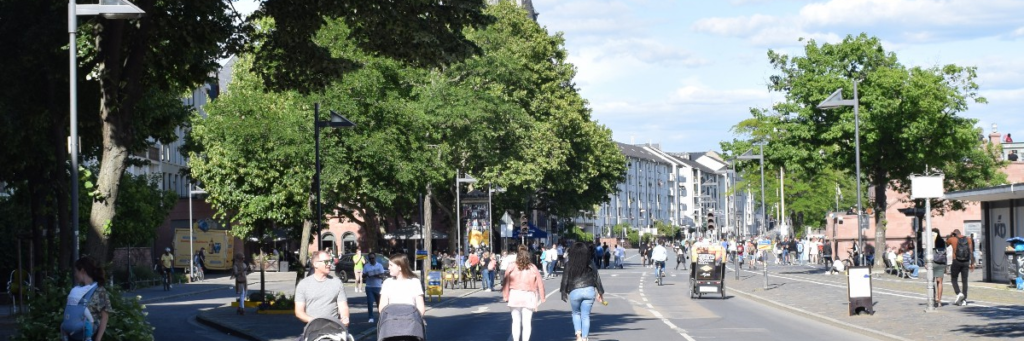
Year-long road closure to Mainkai riverfront in Frankfurt demonstrated more active public space usage, especially during COVID-19 lockdown. Our study looks at the +45% cyclists, +20% pedestrians and + 1150% children cycling on the street.
The ways in which COVID-19 could (and should?) change city building
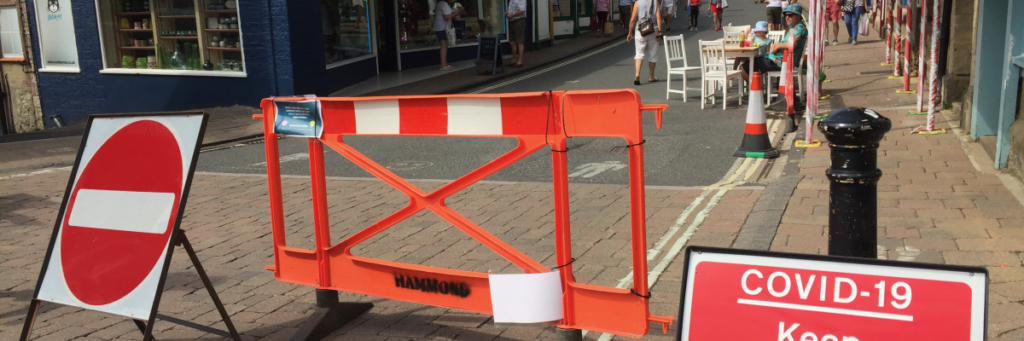
How will COVID19 change our relationship with public space and the future of city design? We outline the key ways in which city planning and the design of public space may change as a result of the COVID19 pandemic.