


Communal area design in apartment buildings: Development and comparison of a desktop and on-the-ground landscape assessment tool
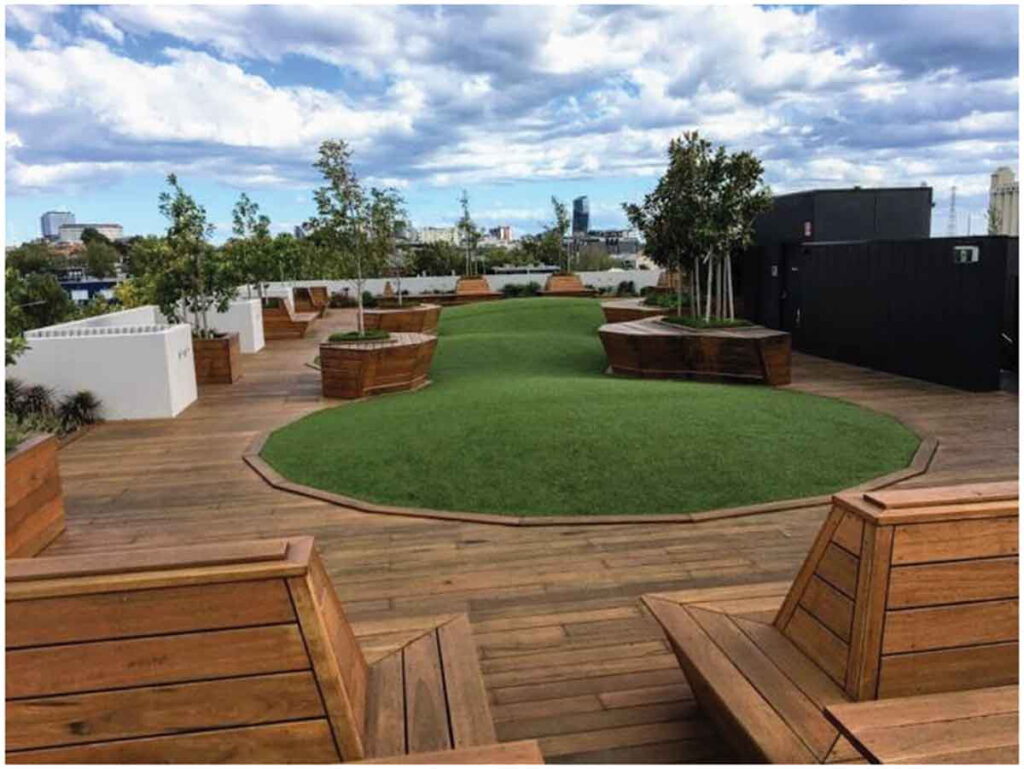
New analysis methods were assessed. The majority of audit tool items showed moderate/almost perfect reliability. The desktop method was a valid alternative to on-site auditing, truncated but more time-efficient and economical.
How to undertake health oriented liveability/walkability assessments of established neighborhoods and suburbs
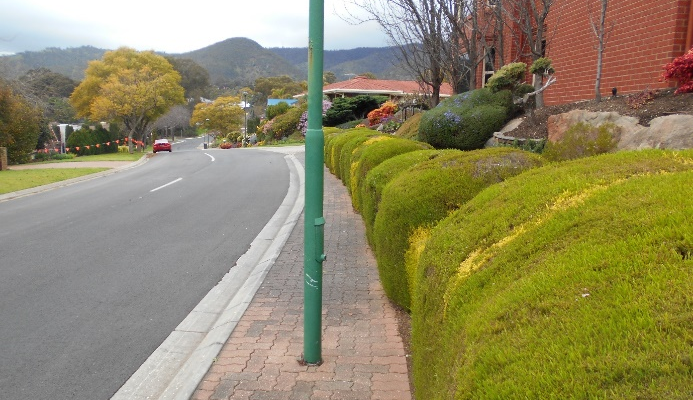
Australian pilot study finds a Healthy Urban Transition Tool can assess the liveability of urban environments and assist in transitioning neighborhoods towards improving the social determinants of health and health equity.
Different types of greenspace and the mental health of youth living in London
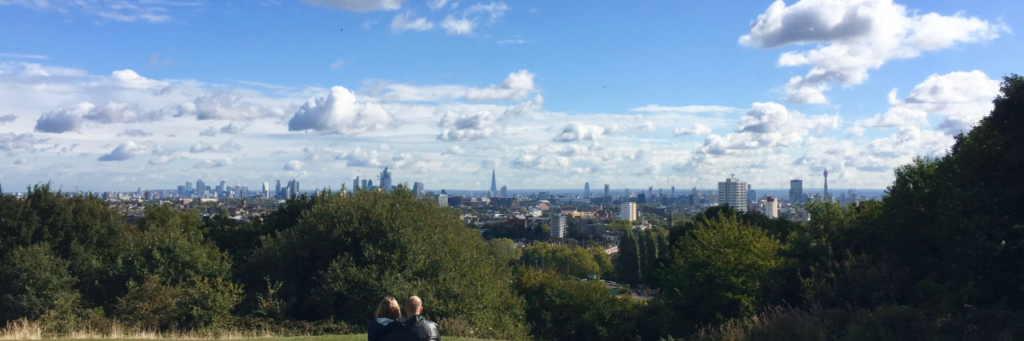
Neighbourhood greenspace and mental health in youth living in London: Does the type of greenspace matter? Our findings are inconclusive but suggest that some spaces could be more ‘beneficial’ than others.
The impacts of hostile designs on skateboarding as a form of active transportation and recreation in Australia, the United Kingdom, and United States
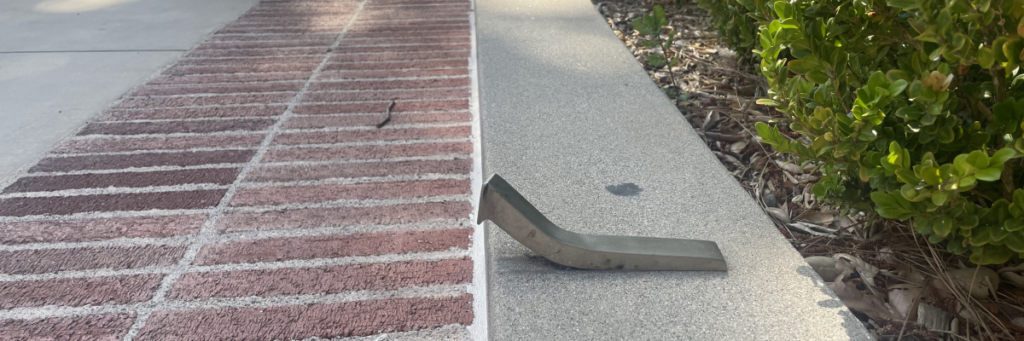
Public spaces in universities target skateboarding through hostile architecture and security. Hostile designs exclude skateboarding as a novel form of physical activity. Maybe ‘just’ urban design guidelines can produce more inclusive and diverse public campus spaces.
Using public participation Geographic Information Systems in studies for healthy built environments: developing our tools and methods
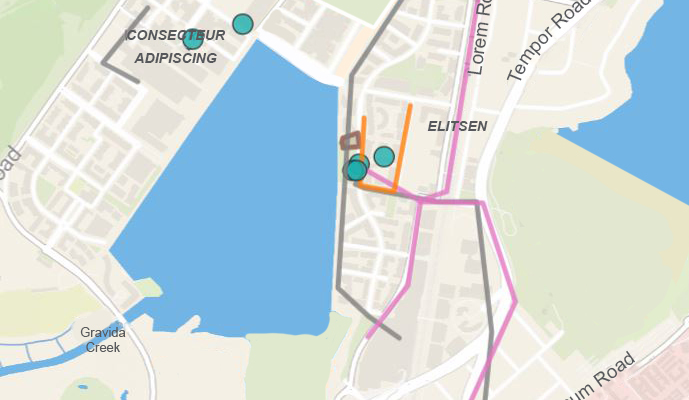
With new advances in public participation Geographic Information Systems and the increasing use such these tools for participatory mapping of various spatial data, urban designers need to understand the usefulness of these tools in investigating micro-scale physical characteristics of urban settings.
How a municipality can improve health and wellbeing in the city by using the Collective Impact Model
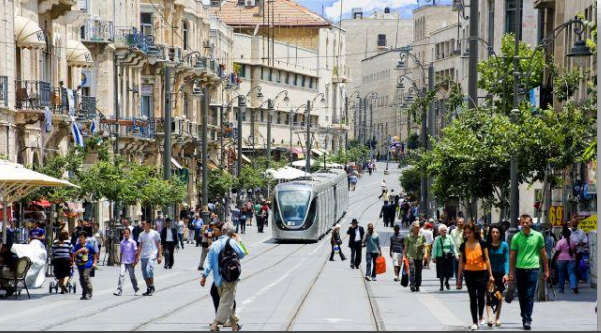
To improve health and wellbeing in cities, municipality employees, urban planners, architects, politicians, citizens, NGOs and funders can benefit by using the collective impact model for working effectively together.
Integrating city resilience and mosquito-borne diseases: a multi-site case study from the Resilient Cities Network
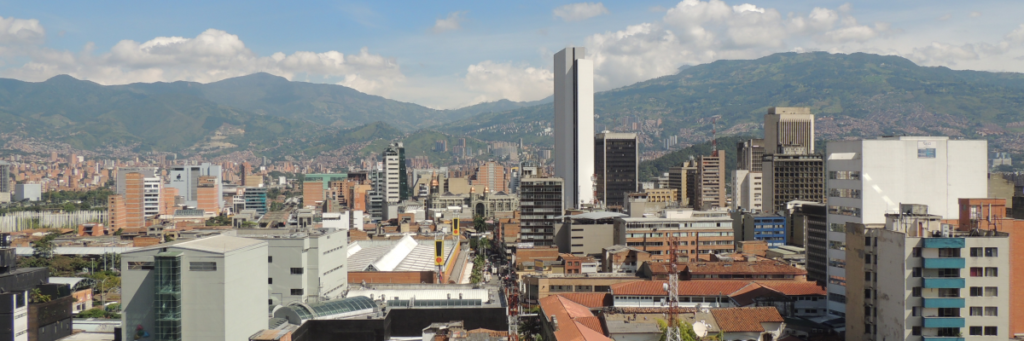
New research explores if and how mosquito-borne diseases are considered in city resilience, and provides recommendations on how cities can integrate mosquito-borne disease prevention and control into their resilience approach.
Inequity in loneliness and the role of built environment
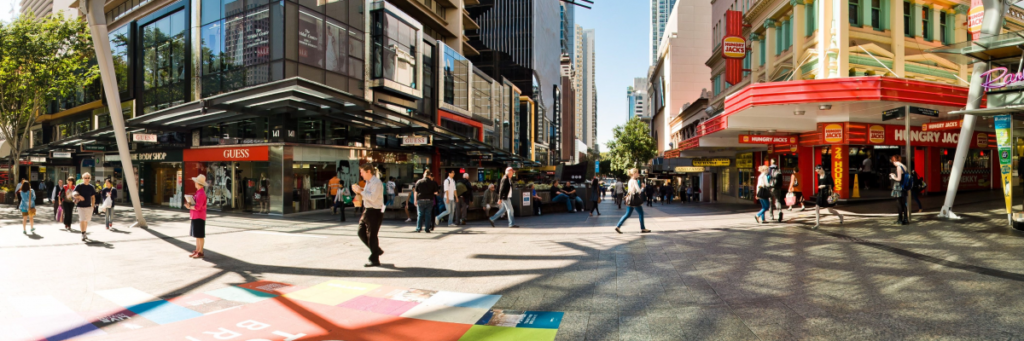
A study of mid to older adults in Brisbane, found that people living in disadvantaged areas were more likely to be lonely. This was partially explained by levels of residential density.
Active Urbanism: Heart rate and oxygen consumption comparison when walking on imitation stepping stones versus a plain surface
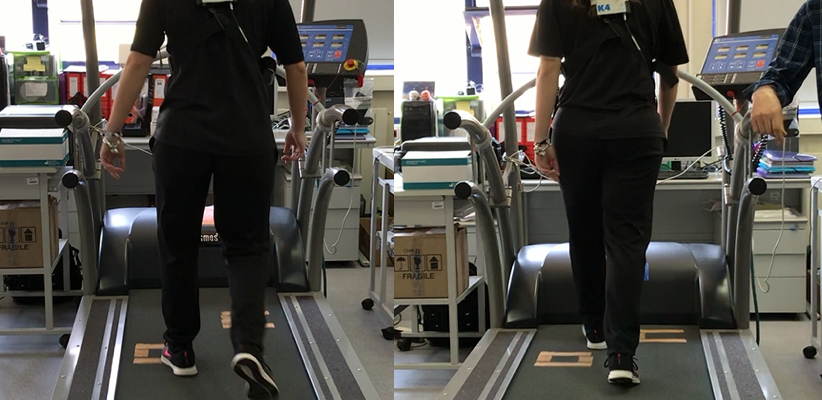
This study measured the effectiveness of stepping stones as an element of landscape design – to make walking a more effective form of exercise for health. The average increase in heart rate due to steppingstones was 17.22%. In conclusion, we estimate that stepping stones can significantly increase peoples metabolic and physiological parameters, and can help the wider population to achieve the recommended government and health guidelines of ‘moderate exercise’ of 150 min/week, improving population health. This new evidence can help designers to implement ‘Active Urbanism’ strategies.
How do communal spaces in apartment complexes encourage social connection?
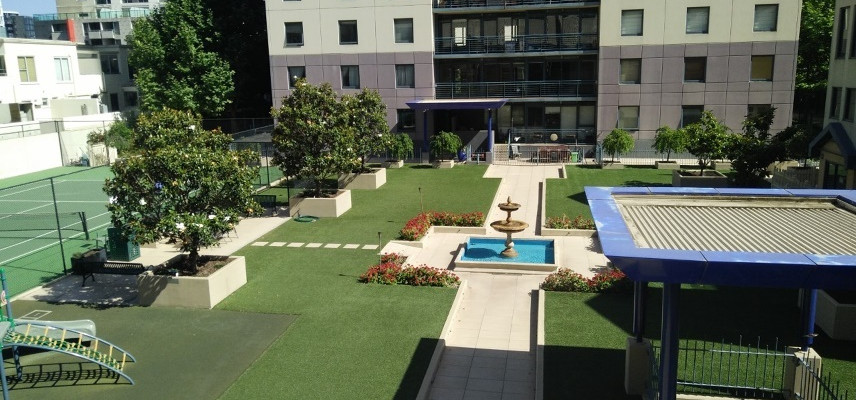
Apartment design guidelines in Australian cities should better consider the role of well-designed communal spaces to enable social connection amongst residents.